insighttodecision.com

Why Your Dog Barks at Sounds You Can’t Even Hear (And How This Explains Its Behavior at Home)

At first glance, it may seem strange or even a little frustrating when your dog starts barking “at nothing.” The house is quiet, you did not hear absolutely anything, there is no one visible outside, and yet it suddenly lifts its head, becomes alert, and starts barking intensely. For many owners, this can seem like overreacting, a habit, or even meaningless behavior. The truth, however, is that in most cases your dog is reacting to real stimuli that are simply outside the range of human perception. Dogs have senses that are far more refined than ours, especially hearing and smell. This means they are able to detect higher frequencies, more distant noises, and small vibrations that go completely unnoticed by us. A gate moving down the street, footsteps on another floor, an elevator door opening, a car stopping on the corner, someone walking on the sidewalk, or even sounds coming from electronic devices can be enough to activate its alert system. The most important thing to understand is that, very often, it is not barking without reason. It is responding to something that is completely real to it, even if the environment feels completely silent to you. Its Hearing Is Much More Sensitive Than Yours One of the strongest explanations for this behavior is hearing. Dogs can hear frequencies much higher than humans and also detect sounds from greater distances. This means that noises that seem small to us may sound extremely clear to them. Footsteps in the hallway. The neighbor’s door. The sound of the elevator. The front gate. All of this can trigger an alert response. In many cases, it is hearing something several seconds before you even notice anything. It Also Reacts to Vibrations and Sound Patterns Another extremely important point is that a dog does not react only to the volume of a sound, but also to its pattern. Repetitive noises. Sudden changes. Metallic sounds. Movement near the house. All of this can be interpreted as a possible presence within its territory. That is exactly why it tends to bark more at certain times of the day. Protective Instinct Also Plays a Role Beyond hearing, there is also a very strong territorial component. A dog tends to interpret sounds near the house as possible environmental changes. In practice, it is giving a warning. It is almost like a biological alarm system. Conclusion Your dog barking at sounds you cannot hear is rarely an exaggeration. In most cases, it is reacting to real stimuli that its senses can detect long before yours can. Sometimes it is not barking at nothing. It is responding to the world that its ears are able to perceive.

Why Your Dog Chooses to Sleep Near the Door or Your Bedroom (And the Instinct Behind It)

At first glance, many people find it curious when a dog always chooses the same place to sleep—especially when that spot is near the front door, in the hallway, or right outside the owner’s bedroom. For some, it may seem like a random preference, as if the dog simply liked that particular corner. The truth, however, is that this behavior is usually much more connected to instinct, safety, and emotional bonding than it appears. Most of the time, the dog is not choosing that location by chance. Dogs have a strong territorial and social sense. Even in a comfortable home environment, many behaviors inherited from their ancestors are still present. Sleeping near entry points or close to the most important people in the house can be a way to maintain awareness of the environment while also feeling connected to the group. For a dog, location matters a lot. They tend to choose places that offer predictability, a sense of protection, and proximity to what they consider important. The most important point is understanding that the chosen spot is often not just physically comfortable—it also carries emotional and instinctive meaning. They Want to Monitor the Environment One of the strongest explanations for this behavior is the instinct to keep watch. Sleeping near the door allows the dog to quickly notice sounds, movements, or changes in the environment: All of this can be detected more easily from that position. In practice, the dog is in a strategic spot.It’s almost like a lookout point. Sleeping Near Your Bedroom Also Means Bonding Another extremely important factor is emotional closeness. Your bedroom carries a lot of your scent, your routine, and your presence. For the dog, this represents safety. Sleeping near this area can be a way of staying close to its main emotional reference in the house. Often, this is directly linked to the emotional bond between you. Protective Instinct Also Plays a Role In some cases, there is also a protective component. The dog may choose the door or the bedroom as a way to “guard” the space. Even if there is no real threat, the instinct remains active. Conclusion Your dog choosing to sleep near the door or your bedroom is rarely a coincidence. Most of the time, it involves territorial instinct, vigilance, protection, and emotional bonding. Sometimes, it’s not just choosing a place to rest.It’s choosing the spot where it feels safest—and closest to you.

Why Your Dog Barks at Sounds You Can’t Even Hear (And How This Explains Its Behavior at Home)

At first glance, it may seem strange or even a little frustrating when your dog starts barking “at nothing.” The house is quiet, you did not hear absolutely anything, there is no one visible outside, and yet it suddenly lifts its head, becomes alert, and starts barking intensely. For many owners, this can seem like overreacting, a habit, or even meaningless behavior. The truth, however, is that in most cases your dog is reacting to real stimuli that are simply outside the range of human perception. Dogs have senses that are far more refined than ours, especially hearing and smell. This means they are able to detect higher frequencies, more distant noises, and small vibrations that go completely unnoticed by us. A gate moving down the street, footsteps on another floor, an elevator door opening, a car stopping on the corner, someone walking on the sidewalk, or even sounds coming from electronic devices can be enough to activate its alert system. The most important thing to understand is that, very often, it is not barking without reason. It is responding to something that is completely real to it, even if the environment feels completely silent to you. Its Hearing Is Much More Sensitive Than Yours One of the strongest explanations for this behavior is hearing. Dogs can hear frequencies much higher than humans and also detect sounds from greater distances. This means that noises that seem small to us may sound extremely clear to them. Footsteps in the hallway. The neighbor’s door. The sound of the elevator. The front gate. All of this can trigger an alert response. In many cases, it is hearing something several seconds before you even notice anything. It Also Reacts to Vibrations and Sound Patterns Another extremely important point is that a dog does not react only to the volume of a sound, but also to its pattern. Repetitive noises. Sudden changes. Metallic sounds. Movement near the house. All of this can be interpreted as a possible presence within its territory. That is exactly why it tends to bark more at certain times of the day. Protective Instinct Also Plays a Role Beyond hearing, there is also a very strong territorial component. A dog tends to interpret sounds near the house as possible environmental changes. In practice, it is giving a warning. It is almost like a biological alarm system. Conclusion Your dog barking at sounds you cannot hear is rarely an exaggeration. In most cases, it is reacting to real stimuli that its senses can detect long before yours can. Sometimes it is not barking at nothing. It is responding to the world that its ears are able to perceive.

Why Your Cat Sleeps on Your Clothes (And What It Reveals About Your Bond)

At first glance, many people find it curious when they discover their cat sleeping right on top of the clothes they just took off, a towel left on the bed, a jacket on the chair, or even a pile of clean laundry. For many owners, this seems like just a coincidence or simply a preference for a soft spot, but the truth is that this behavior can reveal a lot about the way your cat perceives safety, comfort, and emotional bonding inside the home. In many cases, it is not choosing the clothes by accident. It is choosing the scent, the texture, and most importantly, what that item represents. Cats are extremely sensory animals. Unlike humans, who often interpret the environment mainly through vision, they rely heavily on scent, temperature, and texture to define safe places. Clothing, especially something that has been recently worn, carries your scent very strongly. For the cat, this works almost like an emotional marker within the space. In other words, sleeping on your clothes can be a way of staying close to your presence even when you are not physically there. The most important thing to understand is that it is not only choosing a comfortable place. It may be seeking a sense of closeness and security associated with your scent. Your Scent Represents Safety One of the strongest explanations for this behavior is scent. For a cat, the owner’s scent has a very important value within the environment. It associates that scent with routine, predictability, food, affection, and safety. When it lies down on your clothes, it is often choosing the spot in the house that carries a familiar emotional presence. It is almost like a comfort zone. That is why this behavior tends to happen quite often when you are away from home. Texture Also Has a Huge Influence Another extremely important point is the physical sensation. Clothes usually offer softness, warmth retention, and a surface that feels more comfortable than the floor or certain pieces of furniture. This makes the spot even more attractive. In other words, it is often a combination of scent and physical comfort. It Can Also Be Space Marking Another very interesting meaning is emotional territory marking. By sleeping on your clothes, your cat also leaves its own scent on the fabric. In practice, there is an exchange of scent between both of you. This strengthens the sense of belonging even more. Conclusion Your cat sleeping on your clothes goes far beyond comfort. Very often, it is connected to your scent, the feeling of safety, and the emotional bond it has with you. Sometimes it is not only looking for a soft place. It is looking for the feeling of your presence.

Why Your Dog Brings Toys to You (And It’s Not Always Just to Play)

At first glance, it may seem like a simple and obvious gesture: your dog picks up the ball, chew toy, or its favorite toy and comes straight to you. Many people immediately interpret this as an invitation to play, and in many cases there truly is that component. However, reducing this behavior to just play oversimplifies something that can have much deeper meanings. Depending on the moment, the way it brings the toy, and the emotional context in which it happens, this gesture can represent bonding, a search for attention, a need for validation, and even a way of sharing something important within its own world. Dogs are extremely social animals and highly driven by interaction. For them, objects are not just inanimate things; very often, a favorite toy becomes an item of emotional value, a source of comfort, and even an extension of their mental state at that moment. When it chooses to bring that object to you, it is often including you in that experience. In other words, it is not only offering a toy, but inviting you to participate in its world. The most important thing to understand is that the toy can work as a form of communication. It is not only bringing the object. It is bringing an intention. It Can Be an Invitation to Social Interaction One of the most common explanations is, in fact, the desire to play. Your dog quickly learns that bringing a toy to you can generate a positive response: throwing the ball, tugging on the rope, running around the house, or starting some kind of interactive game. From its point of view, this reinforces the behavior. I bring it → something fun happens. Over time, this pattern becomes stronger. That is exactly why many dogs repeat this several times throughout the day. It Can Also Be a Way of Seeking Attention Another extremely important point is the search for attention. Sometimes the toy works almost like a “social tool.” Instead of simply coming to you, it uses the toy as a way to initiate contact. It is almost as if it is saying: “look at me” “interact with me” “let’s do something” Very often, it is not really about the toy itself. It is about your response. It May Be Sharing Something It Values This is perhaps one of the most interesting meanings. Some dogs bring their owner the very object they value the most in that moment. This can represent trust, bonding, and a sense of safety. For it, that object has value. And bringing it to you may be a way of including you in that emotional space. Conclusion Your dog bringing toys to you does not always mean it only wants to play. Very often, this involves social bonding, a search for attention, and even sharing something it considers important. Sometimes it is not just bringing an object. It is bringing a form of connection with you.

Why Your Dog Watches You All the Time (And What It’s Learning Without You Realizing)

At first glance, it may seem like just a curious habit or a cute behavior, but your dog’s habit of watching you all the time has much more depth than it appears. You are sitting on the couch using your phone, working on your computer, cooking, walking around the house, or even simply standing still, and it is there, in silence, staring at you. Many people interpret this only as affection, attachment, or a desire to stay close, but the truth is that, in most cases, your dog is not just “looking.” It is reading patterns, picking up signals, predicting what may happen next, and absorbing information about the environment through your movements. Dogs have developed, over thousands of years of living alongside humans, an extremely refined ability to observe. They are specialists in identifying small changes in posture, eye direction, walking rhythm, the objects you pick up, and even the way you move at certain times of the day. For them, every gesture you make can carry meaning. What seems like an automatic movement to you can be a clear signal that something important is about to happen. The most important thing to understand is that, for your dog, watching you is a constant form of learning, security, and anticipation of the environment. It uses you almost like a living map to interpret the world. It Is Studying Your Routine More Than You Realize One of the strongest reasons for this behavior is learning through repeated patterns. Your dog quickly notices that certain movements you make almost always lead to the same result. If you pick up your keys or shoes, that may mean a walk. If you go into the kitchen at a certain time, that may indicate food. If you head to the bedroom at night, that usually means bedtime is coming. Over time, it begins associating small actions with specific events. That is exactly why, many times, it appears even before you call it. It is not guessing. It has already learned the sequence of your behaviors and can predict what will most likely happen. In practice, it is constantly studying your routine and turning your movements into predictable signals. It Uses You as a Reference for Safety Another extremely important point is the sense of security. Dogs feel much more comfortable when they can predict the environment around them. Watching you helps it understand whether everything is normal, whether something in the space is changing, whether someone has arrived, whether something new is about to happen, or whether it is time to rest. In many cases, watching you is a way of reducing uncertainty. When it can read your movements, it feels more prepared to respond to the environment. That is exactly why many dogs stare at their owner even when apparently nothing is happening. For the dog, something is always happening. There Is Also a Very Strong Emotional Component Beyond learning and predictability, there is also an extremely strong emotional factor. You are the main emotional, social, and functional reference point in its world. You represent food, protection, walks, interaction, affection, and stability. Because of that, it naturally tends to follow your movements with its eyes. In many cases, this is also connected to emotional bonding and the need for closeness. It is not watching only out of curiosity. It is watching because you are the center of its environment. It Learns Things Without You Realizing This is perhaps one of the most interesting points. Very often, your dog learns your habits and patterns that you do not even consciously notice yourself. Schedules, movement sequences, tone of voice in certain moments, and even subtle mood changes all become part of this process. That is why many dogs seem to “know” when you are about to leave, when walk time is coming, or when something different is about to happen. In reality, it has learned signals that you are sending without even noticing. Conclusion Your dog watching you all the time goes far beyond affection. In most cases, it is learning patterns, predicting routines, seeking safety, and strengthening emotional bonding. Sometimes it is not just looking. It is understanding the world through you and using every movement you make as information to better adapt to its environment.

Why Your Dog Spins Before Lying Down (And Why It’s Not Just a Habit)

At first glance, many people find it funny or even curious when their dog starts turning in circles before finally lying down. It spins once, twice, sometimes three times, adjusts its body, sniffs the spot, and only then settles in. For many owners, this seems like nothing more than a cute habit or a meaningless routine, but the truth is that this behavior has much deeper roots than it appears. In many cases, it is not just a habit: it is an instinctive behavior that remains alive even inside the home. Dogs carry many behaviors inherited from their ancestors. Before domestication, turning around before lying down was a way of preparing the resting spot, checking for safety, and adjusting the surrounding space. Even though they now live in comfortable environments, this behavioral pattern can still appear automatically. A dog’s brain does not completely separate the modern environment from ancestral instinct, and that is exactly why this behavior remains so common. The most important thing to understand is that, many times, it is not only looking for the perfect position. It is also responding to a biological pattern of comfort and security. Instinct to Prepare the Space One of the strongest explanations for this behavior is inherited instinct. In nature, wild dogs and their ancestors would circle around to “prepare” the place where they were going to rest. This helped flatten vegetation, move away small insects, and check whether the ground was safe. Even on a soft bed or the couch, this instinct can remain active. The brain still repeats the pattern. That is exactly why the behavior happens even when there is no real need for it. It Is Looking for the Most Comfortable Position Another very important point is physical comfort. Spinning before lying down also helps the dog find the most comfortable position for its body. Adjusting the paws. Positioning the spine. Choosing the direction of the body. All of this has an influence. Sometimes it is simply looking for the most comfortable way to rest. The Environment Can Also Influence It Floor temperature, noise in the room, lighting, and even airflow can make a dog spin more times before settling down. In some cases, it is trying to find the safest and most comfortable spot in the environment. Conclusion Your dog spinning before lying down is not just a cute habit. In most cases, it is connected to ancestral instinct, the search for comfort, and a sense of security. Sometimes that small ritual before sleep is the way its body makes sure everything is right before resting.

Capybara: A Very Extensive School Research Article on Its Characteristics, Habitat, Behavior, Diet, Reproduction, and Ecological Importance

The capybara is one of the most fascinating and recognizable animals in South American wildlife. Scientifically known as Hydrochoerus hydrochaeris, the capybara is famous for being the largest rodent in the world. Because of its size, peaceful appearance, and strong connection with aquatic environments, it has become one of the most admired mammals in countries such as Brazil, Argentina, Paraguay, and Venezuela. In recent years, the capybara has also become very popular on social media and in educational projects because of its calm behavior and interesting biology. 8 The capybara belongs to the family Caviidae, the same family as guinea pigs and other rodents, but it is much larger than its relatives. Adult capybaras generally measure between 1 and 1.3 meters in length and can weigh from 35 to 70 kilograms, although some individuals may become even heavier depending on habitat and food availability. Its body is large, rounded, and muscular, with short but strong legs that support its weight. The fur is usually brown, reddish-brown, or grayish, which helps it blend into grassy and muddy environments. One of the most remarkable physical adaptations of the capybara is the placement of its eyes, ears, and nostrils on the upper part of the head. This feature is extremely important because it allows the animal to stay mostly underwater while still being able to breathe, hear sounds, and observe predators. 7 This is one of the main reasons capybaras are classified as semi-aquatic mammals. They are strongly associated with freshwater environments such as: Water is essential to the life of the capybara. It is used for: Capybaras are excellent swimmers and can remain underwater for several minutes when necessary. Their feet are slightly webbed, which helps them move efficiently in water. From a behavioral perspective, capybaras are highly social animals. They rarely live alone. Instead, they form groups that can range from 5 to more than 20 individuals, depending on habitat conditions. These groups are generally composed of: Group living is extremely important for survival. Living together helps protect them from predators such as Jaguar, caimans, anacondas, and large birds of prey. If danger is detected, capybaras quickly run toward the water. Their social structure also includes communication through sounds, body posture, and scent marking. They can produce whistles, barks, clicks, and purring sounds. These sounds are often used to communicate alarm, locate group members, or maintain social bonds. The capybara is a herbivore, meaning it feeds only on plant material. Its diet mainly includes: 6 Because its diet contains a large amount of fiber, its digestive system is highly specialized. Like other rodents, capybaras possess large incisors that continuously grow throughout life. These teeth are essential for cutting grass and chewing tough vegetation. Another interesting biological characteristic is that capybaras sometimes practice coprophagy, which means they may re-ingest certain fecal matter to extract additional nutrients. This process helps improve digestion efficiency. From a reproductive point of view, capybaras have a gestation period of about five months. The female usually gives birth to 2 to 8 babies. The young are born already covered in fur and are able to walk very shortly after birth. 6 This early mobility is extremely important for protection against predators. Ecologically, capybaras play a very important role. As herbivores, they help control vegetation growth in wetlands and grasslands. At the same time, they are an important food source for predators. This makes them a key part of the food chain. In urban environments, especially in Brazil, capybaras are increasingly seen in parks, lakes, and green spaces. Many people consider them symbols of Brazilian wildlife because of their calm and friendly appearance. In conclusion, the capybara is an extraordinary mammal that combines large size, social behavior, aquatic adaptation, and ecological importance. Its peaceful nature and fascinating biology make it an excellent subject for school research and wildlife studies. 1. Capybaras are the largest rodents in the world One of the most impressive facts about capybaras is their size. They are officially recognized as the largest rodents on Earth. While most people are familiar with small rodents such as mice, rats, hamsters, and guinea pigs, capybaras are much larger than all of them. An adult can measure over 1 meter in length and may weigh between 35 and 70 kilograms, with some individuals becoming even heavier. Their large size gives them a very unique appearance among rodents and makes them one of the most recognizable mammals in South America. 6 2. They are amazing swimmers Capybaras are semi-aquatic mammals and are incredibly comfortable in water. In fact, water is one of the most important parts of their daily life. They use rivers, lakes, marshes, and ponds for swimming, cooling down, resting, and escaping danger. Their slightly webbed feet make swimming much easier and more efficient. They can move smoothly through water and often spend long periods partially submerged. 7 3. Their eyes, ears, and nose are perfectly adapted A fascinating adaptation of the capybara is the placement of its eyes, ears, and nostrils on the top part of the head. This allows the animal to stay mostly underwater while still being able to breathe and observe its surroundings. This feature is very useful for detecting predators and staying safe. 4. They are extremely social animals Capybaras rarely live alone. They are highly social and usually form groups that can range from a few individuals to large families. Living in groups helps them stay protected from predators such as Jaguar and caimans. Group members often rest, eat, and swim together. 7 5. They communicate with many sounds Capybaras communicate through a surprising variety of sounds. They can whistle, bark, purr, click, and make alarm noises. These sounds help them warn the group about danger and keep contact with family members. 6. They only eat plants Capybaras are strict herbivores. Their diet includes grass, leaves, aquatic plants, and fruits. Because they eat a large amount of fiber, their digestive system is highly specialized. 6 7. Their teeth grow all the

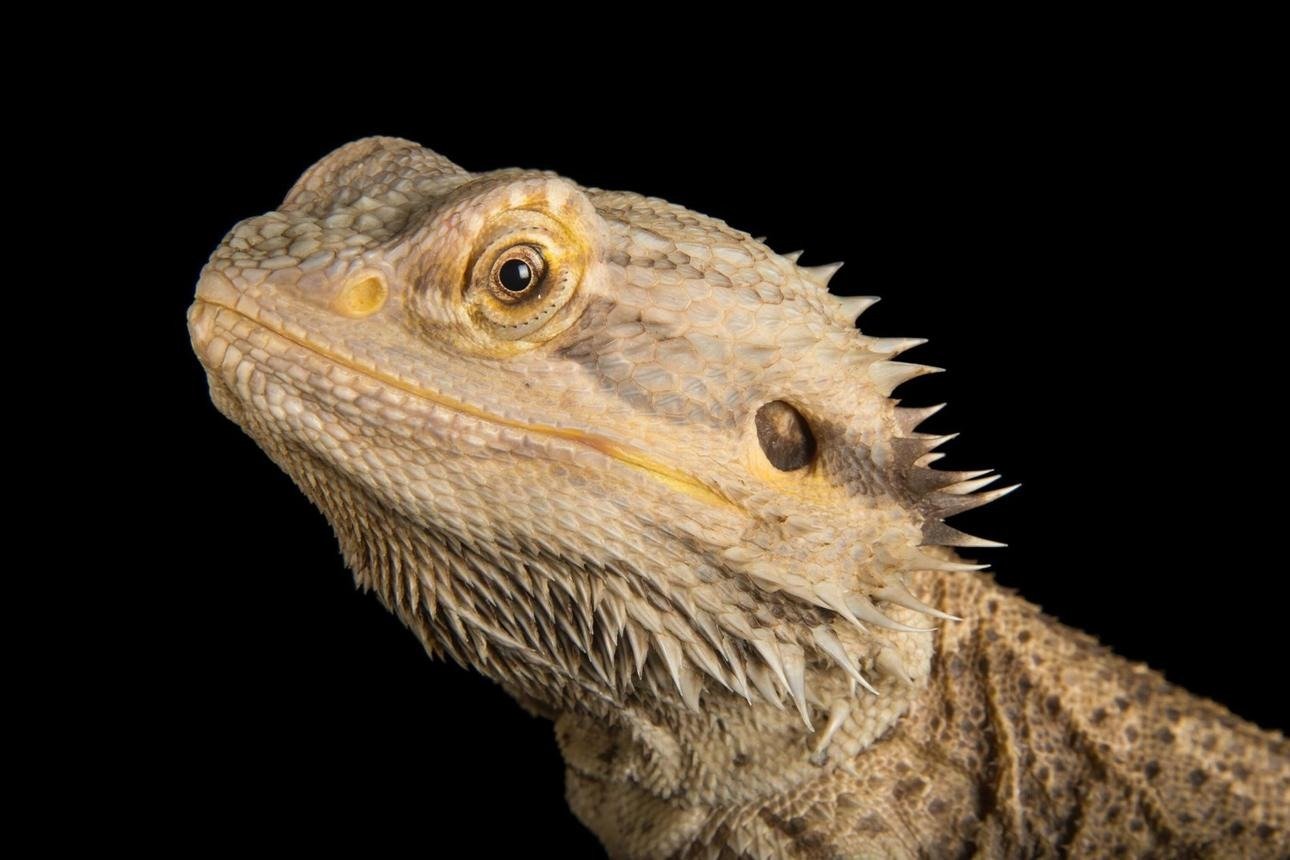
Dragão-Barbudo: Uma Pesquisa Escolar Extensa Sobre Suas Características, Habitat, Comportamento, Alimentação e Importância Como Pet Exótico

O dragão-barbudo é um dos répteis mais fascinantes do mundo e um dos animais exóticos mais populares entre os amantes de répteis. Cientificamente pertencente ao gênero Pogona, esse lagarto é amplamente admirado por sua aparência única, personalidade calma e comportamentos interessantes. Nativo das regiões secas da Austrália, o dragão-barbudo adaptou-se perfeitamente à vida em ambientes quentes e áridos. 6 O nome dragão-barbudo vem de uma de suas características físicas mais marcantes: a bolsa espinhosa na garganta, conhecida como “barba”. Essa região pode se expandir e ficar mais escura, especialmente quando o animal se sente ameaçado, estressado ou quer demonstrar dominância. Quando expandida, dá ao réptil uma aparência feroz, semelhante à de um dragão. Esse comportamento defensivo ajuda o animal a parecer maior e mais intimidador para predadores ou outros dragões. Fisicamente, o dragão-barbudo é um lagarto de porte médio que geralmente mede entre 40 e 60 centímetros de comprimento total, incluindo a cauda. Seu corpo é largo e musculoso, coberto por escamas ásperas e pequenos espinhos que oferecem proteção. A coloração da pele pode variar entre tons de marrom, bege, laranja, cinza e amarelo, o que ajuda na camuflagem em ambientes rochosos e desérticos. 7 Uma das características mais importantes do dragão-barbudo é que ele é um animal ectotérmico. Isso significa que não consegue regular a temperatura corporal internamente como os mamíferos. Em vez disso, depende de fontes externas de calor, como a luz solar ou lâmpadas térmicas. Na natureza, os dragões-barbudos são frequentemente vistos deitados sobre pedras, galhos ou troncos sob o sol. Esse comportamento é conhecido como basking (tomar sol). Tomar sol é extremamente importante porque ajuda em: Sem calor adequado, o réptil não consegue digerir os alimentos de forma eficiente. Seu habitat natural inclui desertos, florestas secas, arbustos e campos. Esses ambientes costumam ser quentes durante o dia e mais frios à noite. Por isso, o dragão-barbudo evoluiu para tolerar clima seco e pouca disponibilidade de água. 7 Outro aspecto importante é a alimentação. Os dragões-barbudos são onívoros, ou seja, comem tanto alimentos de origem animal quanto vegetal. Sua dieta pode incluir: Os filhotes costumam consumir mais insetos porque precisam de mais proteína para o crescimento. Os adultos geralmente comem mais vegetais. Esse equilíbrio alimentar é fundamental para a saúde. Comportamentalmente, são conhecidos por serem relativamente calmos e fáceis de manusear. Essa é uma das principais razões de serem tão populares como pets. Eles também se comunicam através da linguagem corporal. Alguns comportamentos comuns incluem: 4 Outra característica interessante é a capacidade de alterar levemente a tonalidade da pele. Embora não mude de cor como um camaleão, pode ficar mais escuro quando está com frio e mais claro quando está aquecido. Isso ajuda na termorregulação. Como pet exótico, o dragão-barbudo precisa de um habitat cuidadosamente preparado. Um terrário adequado deve incluir: A iluminação UVB é essencial porque permite a produção de vitamina D3, necessária para absorção de cálcio. Sem isso, o animal pode desenvolver doença óssea metabólica. 5 Reprodutivamente, são répteis ovíparos. As fêmeas colocam ovos em areia quente ou substrato fofo. Em conclusão, o dragão-barbudo é um réptil extraordinário que combina adaptações únicas ao deserto, comportamento expressivo e grande importância como pet exótico. 15 Curiosidades Fascinantes Sobre o Dragão-Barbudo 1. A barba muda de cor A barba pode expandir e ficar preta quando o animal está ameaçado. 2. Adoram tomar sol Passam muito tempo sob o sol ou lâmpadas térmicas. 6 3. São onívoros Comem insetos e vegetais. 4. Filhotes comem mais insetos Precisam de proteína para crescer. 5. Acenam com o braço Esse gesto geralmente significa submissão. 6. Balançam a cabeça Usado para mostrar dominância. 7. Mudam o tom da pele Podem escurecer ou clarear. 8. São da Austrália Originários da Austrália. 9. Ficam imóveis por bastante tempo Especialmente ao tomar sol. 10. São pets muito populares Estão entre os répteis mais criados no mundo. 11. Precisam de luz UVB Essencial para os ossos. 12. Reconhecem rotina Muitos identificam horário de alimentação. 13. Achatam o corpo Para parecerem maiores. 14. Botam ovos As fêmeas enterram os ovos no substrato. 6 15. São muito interativos Para um réptil, interagem bastante com os tutores.

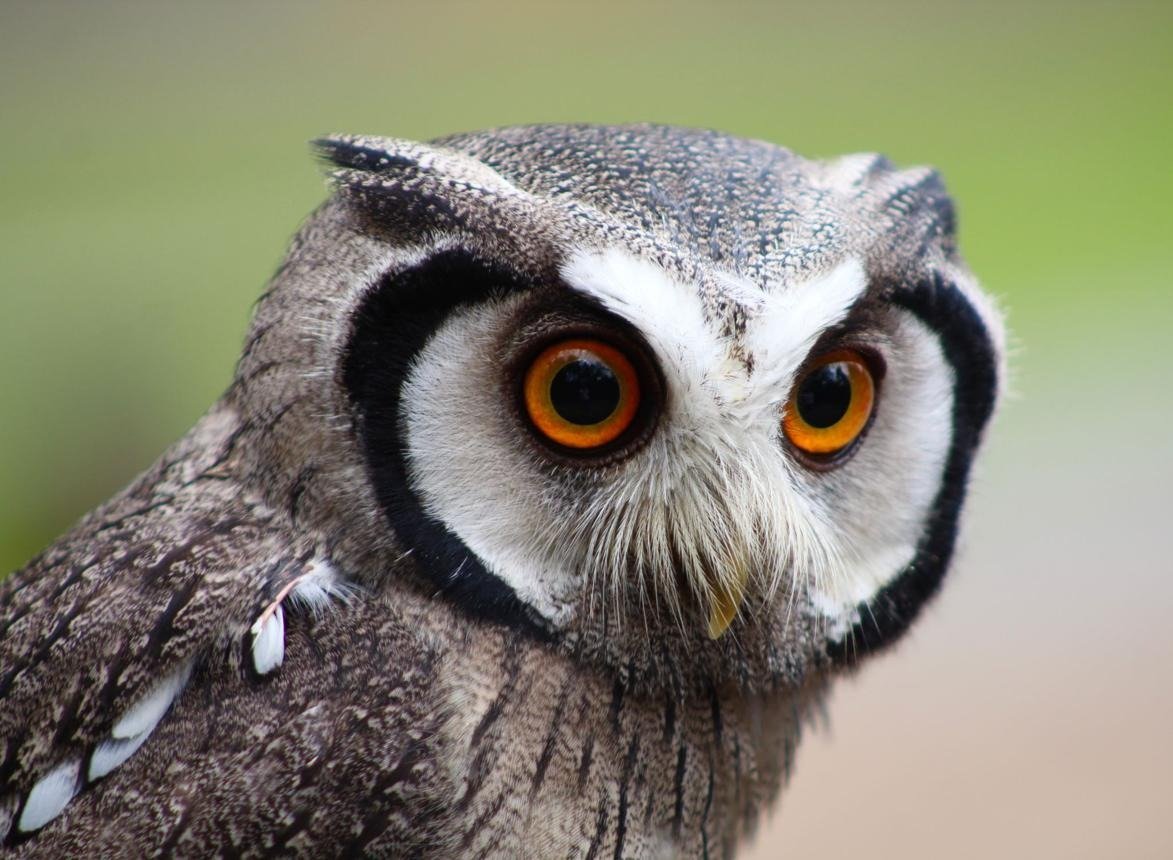
Owls: An Extensive Study of Their Anatomy, Behavior, Habitat, Hunting Skills, and Ecological Importance

Owls are among the most extraordinary and recognizable birds in the natural world. Known for their large eyes, silent wings, sharp talons, and mysterious nocturnal presence, these birds have fascinated humans for centuries. Throughout history, owls have been symbols of wisdom, mystery, intelligence, and even superstition, appearing in myths, folklore, literature, and scientific studies. Beyond their symbolic meaning, owls are biologically remarkable birds whose bodies are perfectly adapted for hunting and survival, especially during the night. 6 Owls belong to the order Strigiformes, which includes more than 200 known species distributed across nearly every continent, with the exception of Antarctica. They inhabit forests, grasslands, deserts, mountains, wetlands, and even cities. Their ability to adapt to many environments makes them one of the most widely distributed groups of birds. One of the most striking features of an owl is its face and eyes. Unlike many birds whose eyes are located on the sides of the head, owl eyes face forward. This gives them excellent binocular vision, which is crucial for accurately judging distance and depth when hunting prey. This adaptation allows owls to calculate exactly when to strike. Their eyes are especially adapted for low-light environments. Owls are masters of night vision. The retinas contain a large number of rod cells, which are specialized for detecting light in dark conditions. This makes them extremely efficient nocturnal predators. However, owl eyes are different from human eyes in an important way. They are tubular rather than spherical, meaning they are fixed in place. Because of this, owls cannot move their eyes inside the sockets. Instead, they compensate with one of their most famous adaptations: the ability to rotate the head dramatically. Many species can rotate the head up to 270 degrees. 6 This ability allows them to observe almost everything around them without moving the rest of the body. Another extraordinary feature is their silent flight. Owls are famous for flying with almost no sound. This is one of the most sophisticated aerodynamic adaptations among birds. Their feathers possess serrated edges that break up turbulence as air passes over the wings. Additionally, the surface of the feathers is soft and velvety, reducing friction noise. This silent movement is essential during hunting because prey animals such as mice and small birds often rely heavily on hearing. 7 Owls are highly specialized predators. Their diet depends on the species and habitat but usually includes: Some larger species, such as the Eurasian eagle-owl, can even hunt fox cubs or other birds of prey. Their talons are one of their most powerful weapons. These curved claws are extremely strong and capable of applying intense gripping force. Once prey is captured, escape is nearly impossible. Their beak is short, curved, and razor-sharp, designed for tearing flesh. 6 Another major adaptation is their hearing. Many owl species have asymmetrical ear openings. One ear may be positioned slightly higher than the other. This allows them to detect vertical and horizontal differences in sound. As a result, owls can locate prey with extraordinary precision, even when the prey is hidden under leaves, snow, or grass. Some species can hunt purely by sound. This is one of the reasons owls are considered among the most effective nocturnal hunters in the animal kingdom. 6 Owls can be found in a wide variety of habitats. Forest species often use trees for nesting and camouflage. Grassland species may hunt in open fields. Mountain owls are adapted to colder climates. Urban owls can live surprisingly close to humans. Well-known species include: Each species has unique physical and behavioral traits. The Snowy owl, for example, is highly adapted to Arctic environments and often hunts during the day. 7 From an ecological perspective, owls are extremely important. They help control populations of rodents and small vertebrates. This ecological role is essential for maintaining balance in ecosystems. In agricultural environments, owls are especially valuable because they naturally reduce rat and mouse populations. Culturally, owls have long been associated with wisdom. In ancient Greece, the owl was linked to Athena, the goddess of wisdom and strategy. In other cultures, they are symbols of mystery and the supernatural. Reproductively, owls usually lay eggs in nests located in tree hollows, cliffs, abandoned nests, or man-made structures. The parents, especially the female, provide protection and care for the chicks. 7 In conclusion, owls are extraordinary birds that combine anatomical perfection, silent movement, powerful senses, and critical ecological importance. Their ability to hunt in darkness, fly silently, and detect prey with incredible accuracy makes them one of the most specialized avian predators on Earth. 1. Owls can turn their heads up to 270 degrees One of the most famous facts about owls is their incredible ability to rotate their heads. Because their eyes are fixed in their sockets and cannot move side to side, owls compensate by turning the neck. Some species can rotate the head up to 270 degrees, allowing them to see almost everything around them without moving the body. 7 2. They fly almost silently Owls are famous for silent flight. Their feathers have soft fringed edges that reduce air turbulence and noise. This allows them to sneak up on prey almost unnoticed. 6 3. Their eyes are not true eyeballs Unlike human eyes, owl eyes are more tube-shaped than round. This gives them excellent night vision but means they cannot move their eyes. 4. Owls have excellent hearing Many owl species have asymmetrical ears. One ear is slightly higher than the other. This helps them detect exactly where sounds come from. 6 5. Some owls hunt during the day Although owls are mostly nocturnal, not all species hunt only at night. The Snowy owl, for example, often hunts during daylight. 6. They swallow prey whole Small prey animals are often swallowed whole. Later, owls regurgitate pellets made of bones, fur, and feathers that cannot be digested. 6 7. They are excellent pest controllers Owls help control rodent populations by feeding on rats and mice. This makes them very useful