Owls are among the most extraordinary and recognizable birds in the natural world. Known for their large eyes, silent wings, sharp talons, and mysterious nocturnal presence, these birds have fascinated humans for centuries. Throughout history, owls have been symbols of wisdom, mystery, intelligence, and even superstition, appearing in myths, folklore, literature, and scientific studies. Beyond their symbolic meaning, owls are biologically remarkable birds whose bodies are perfectly adapted for hunting and survival, especially during the night.
6
Owls belong to the order Strigiformes, which includes more than 200 known species distributed across nearly every continent, with the exception of Antarctica. They inhabit forests, grasslands, deserts, mountains, wetlands, and even cities. Their ability to adapt to many environments makes them one of the most widely distributed groups of birds.
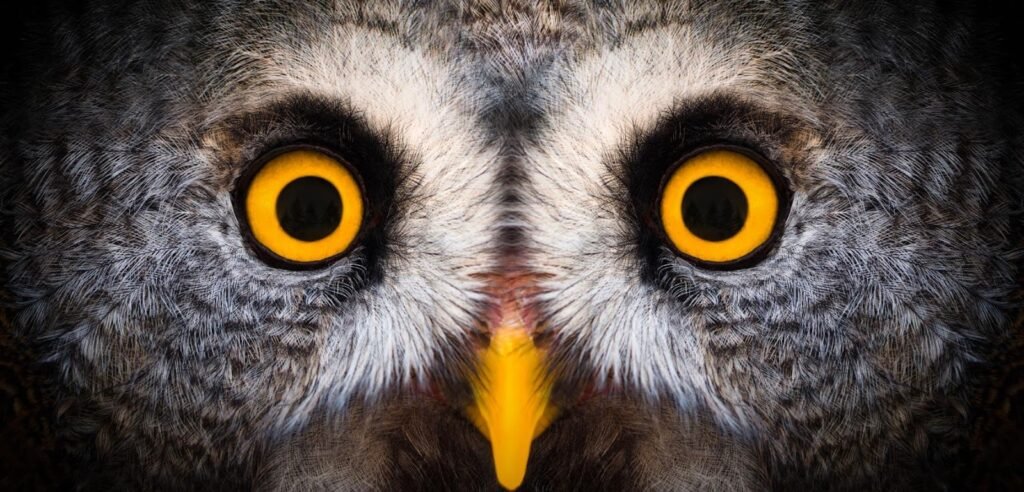
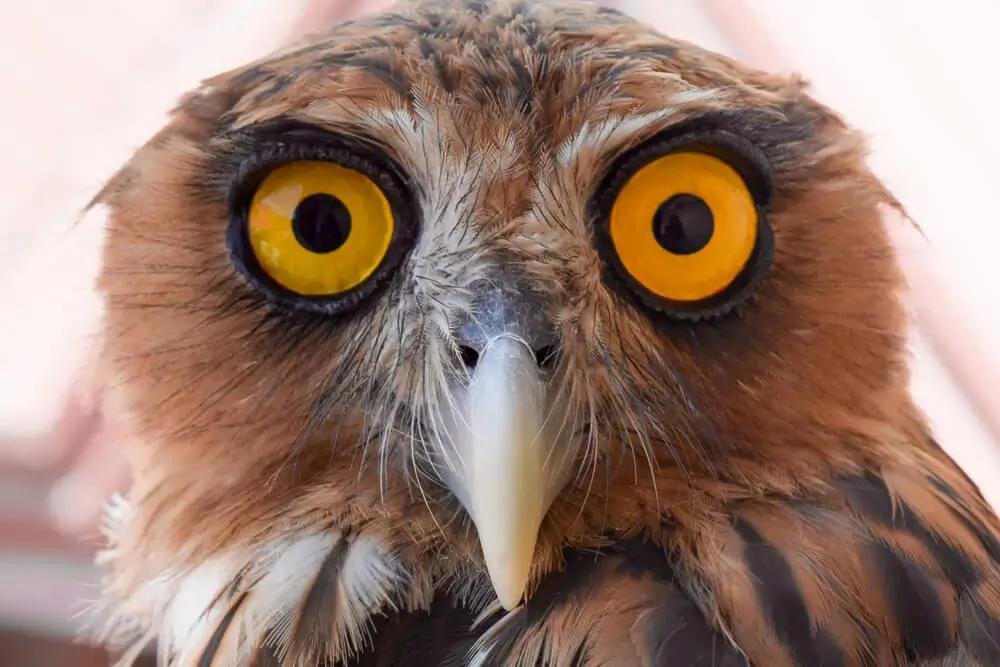
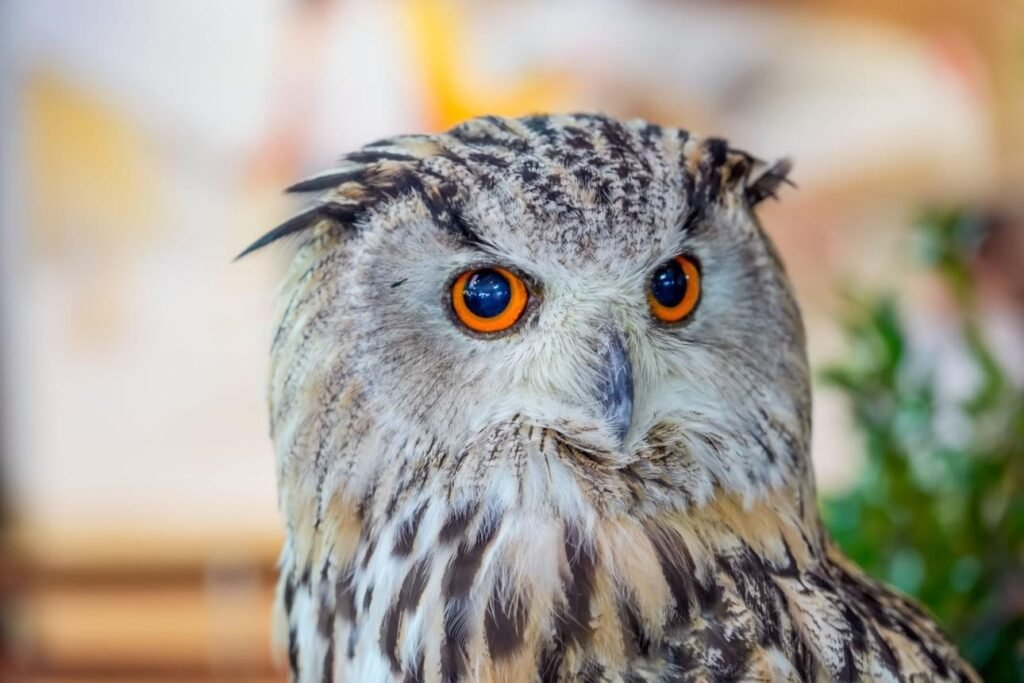
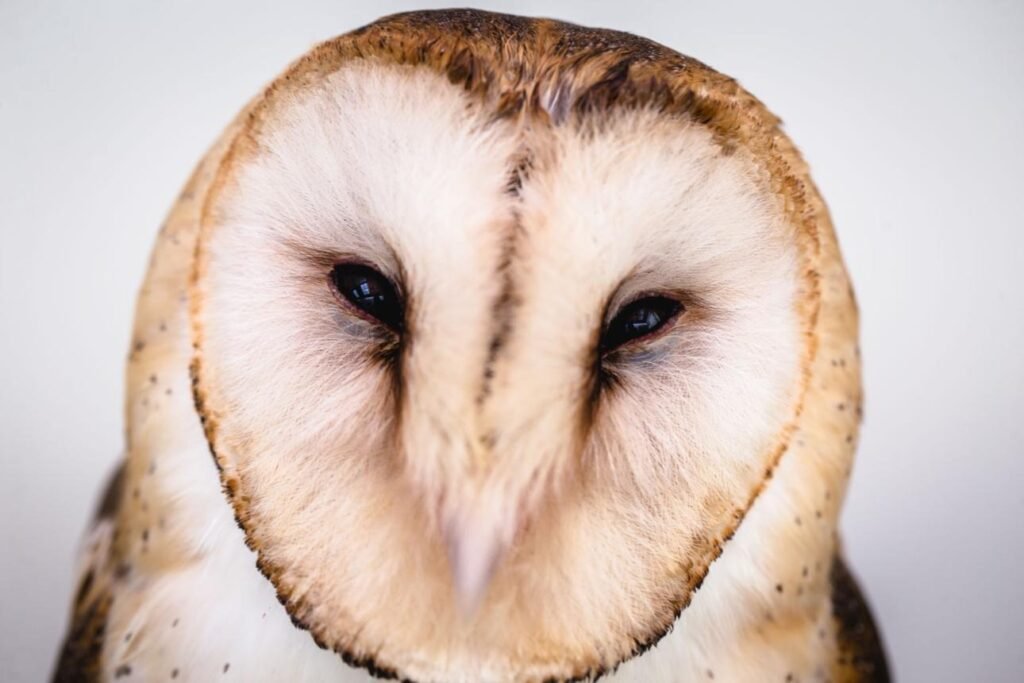
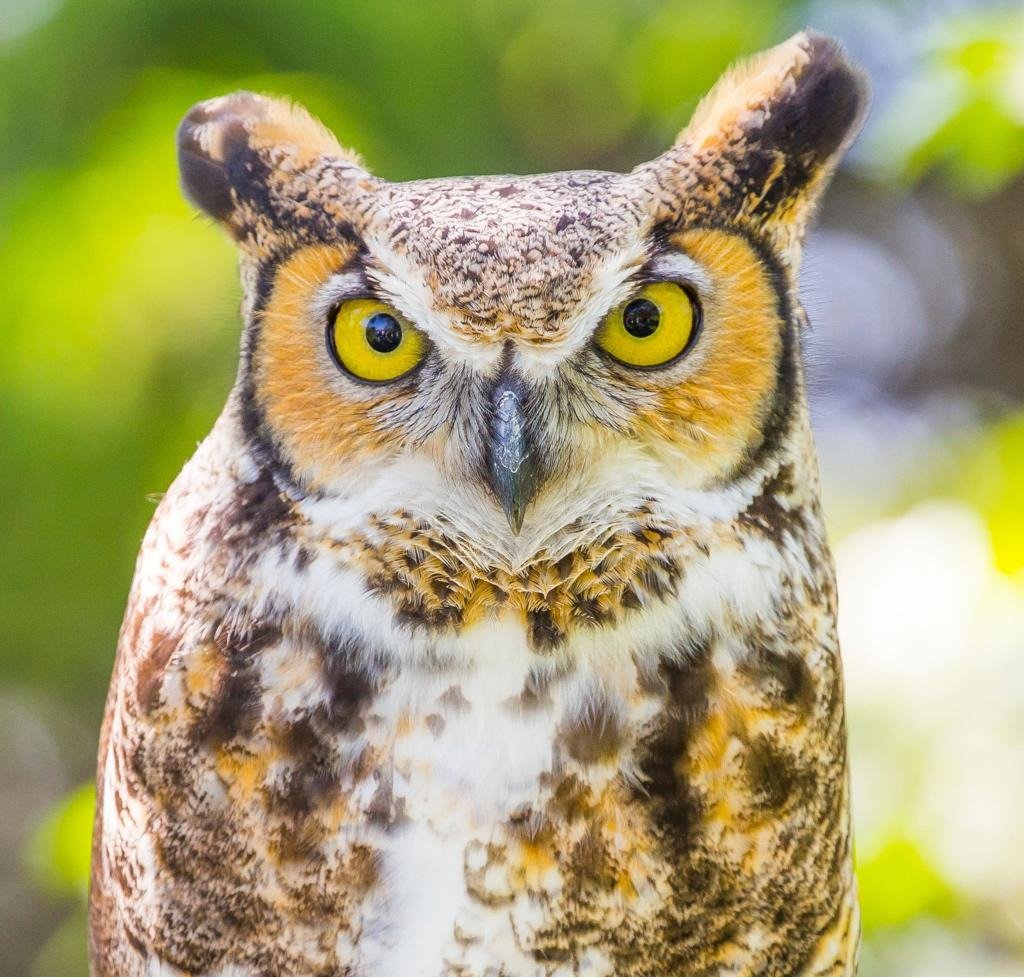
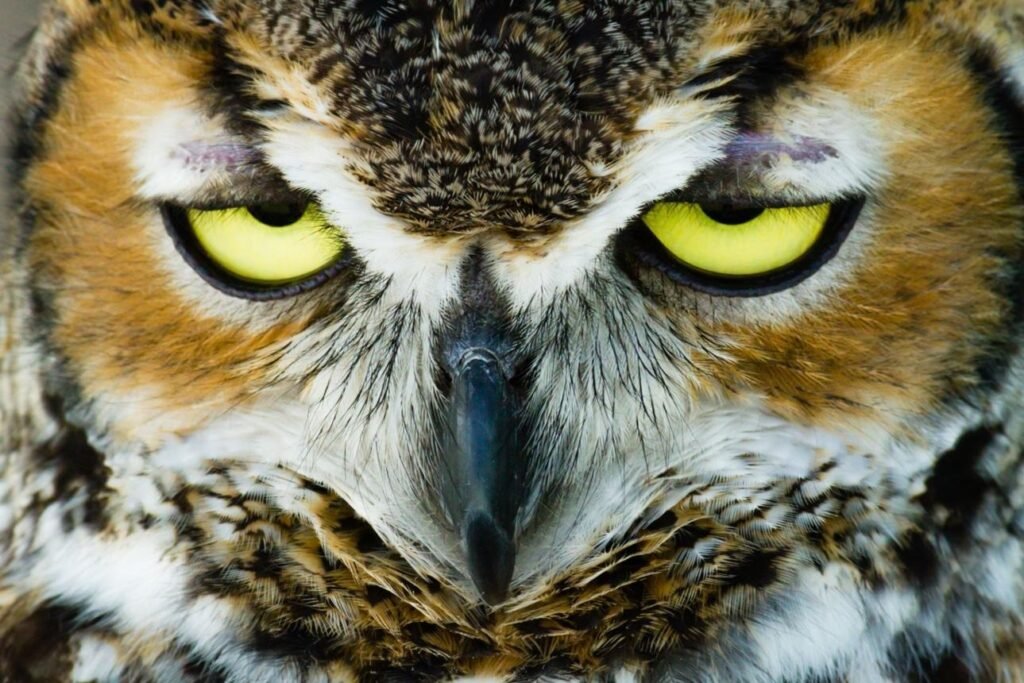
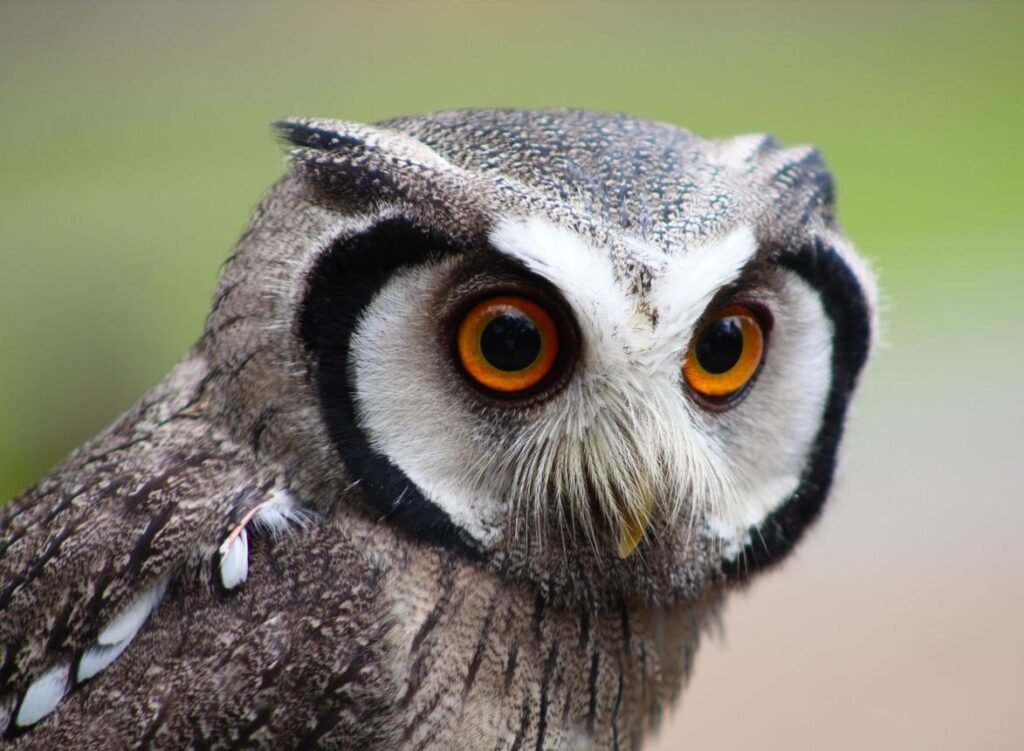
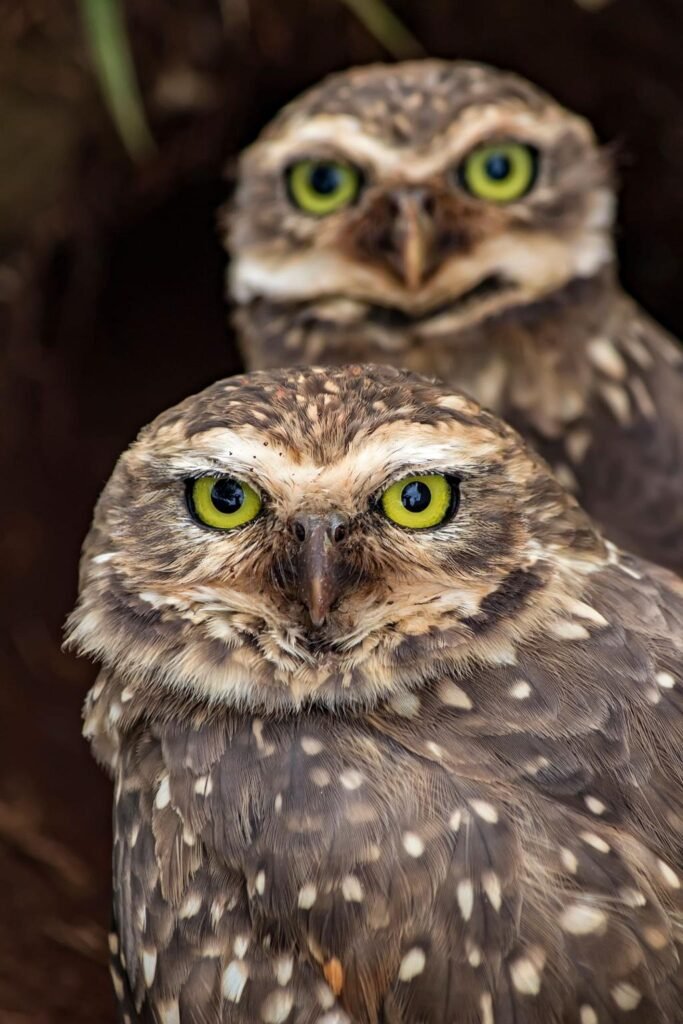
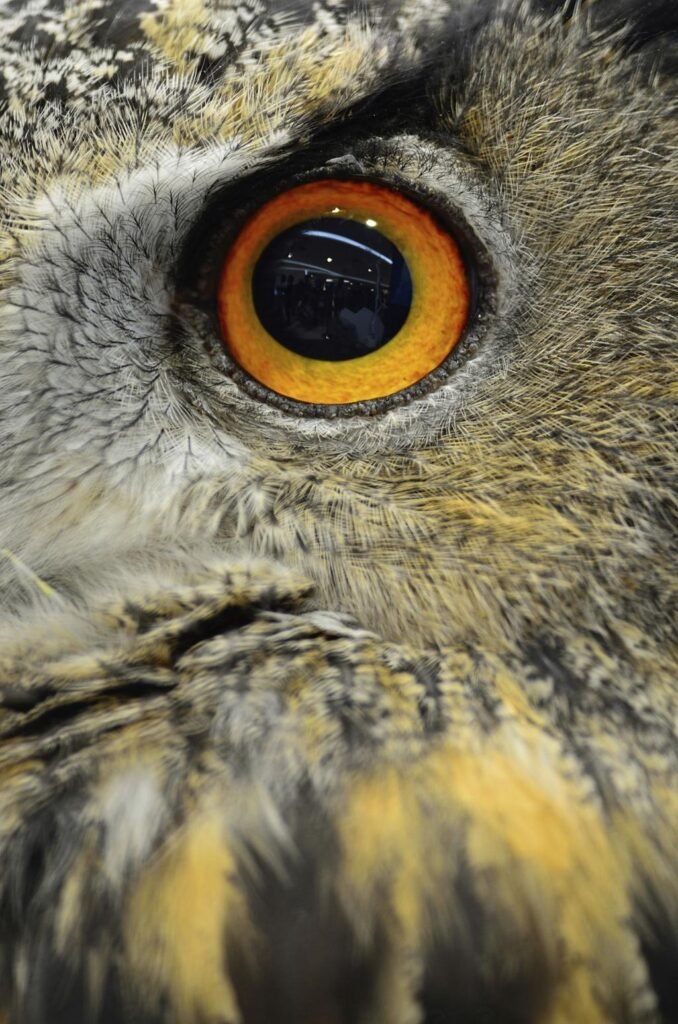
One of the most striking features of an owl is its face and eyes.
Unlike many birds whose eyes are located on the sides of the head, owl eyes face forward. This gives them excellent binocular vision, which is crucial for accurately judging distance and depth when hunting prey.
This adaptation allows owls to calculate exactly when to strike.
Their eyes are especially adapted for low-light environments.
Owls are masters of night vision.
The retinas contain a large number of rod cells, which are specialized for detecting light in dark conditions.
This makes them extremely efficient nocturnal predators.
However, owl eyes are different from human eyes in an important way.
They are tubular rather than spherical, meaning they are fixed in place.
Because of this, owls cannot move their eyes inside the sockets.
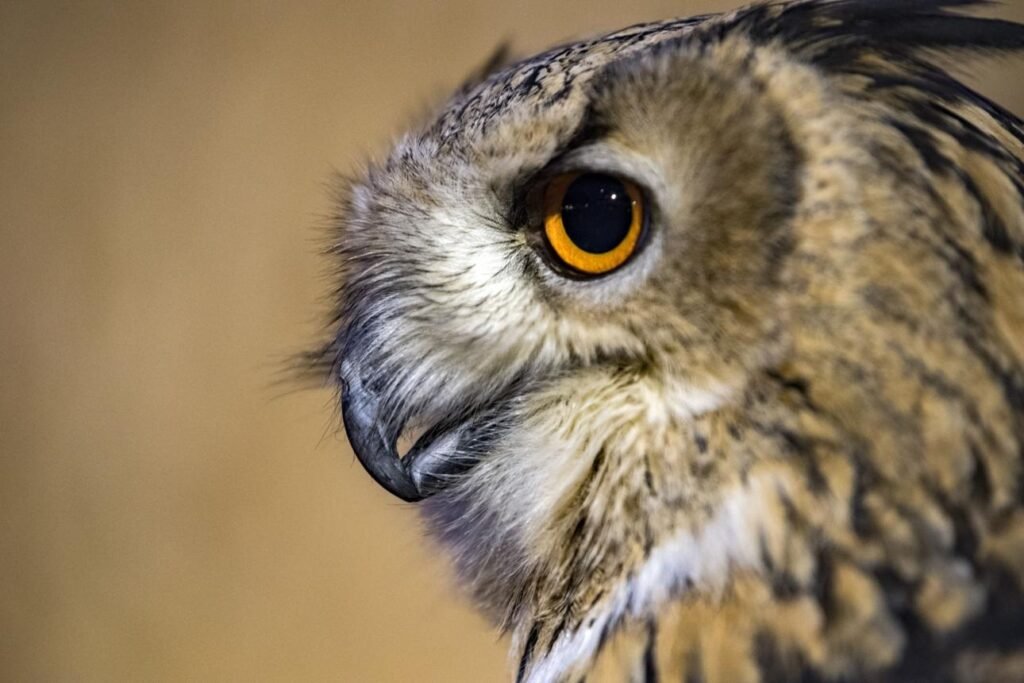
Instead, they compensate with one of their most famous adaptations: the ability to rotate the head dramatically.
Many species can rotate the head up to 270 degrees.
6
This ability allows them to observe almost everything around them without moving the rest of the body.
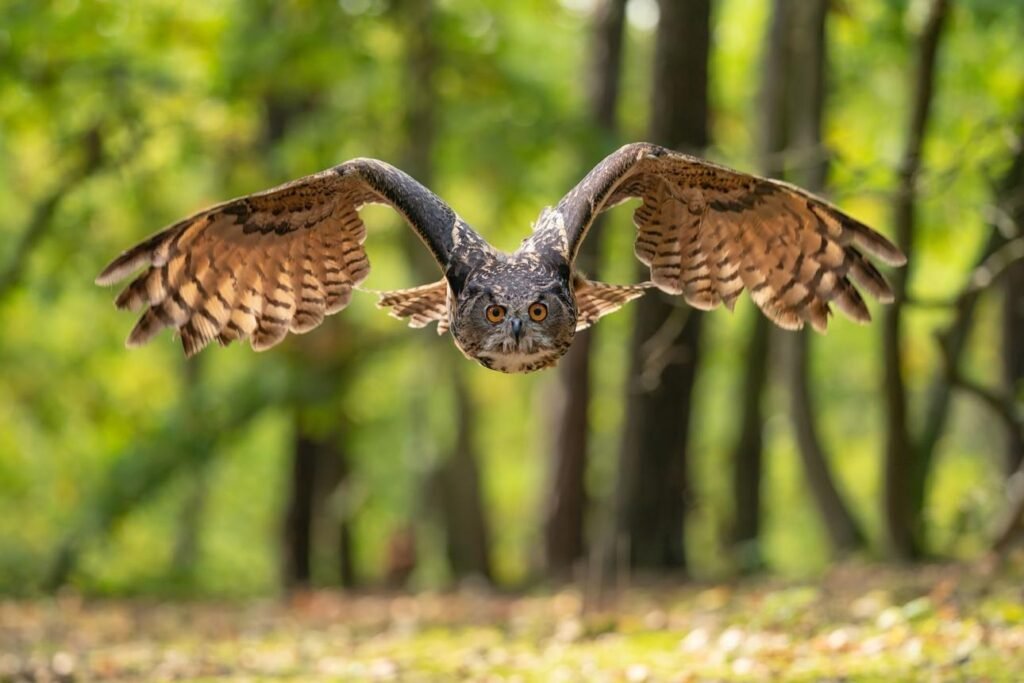
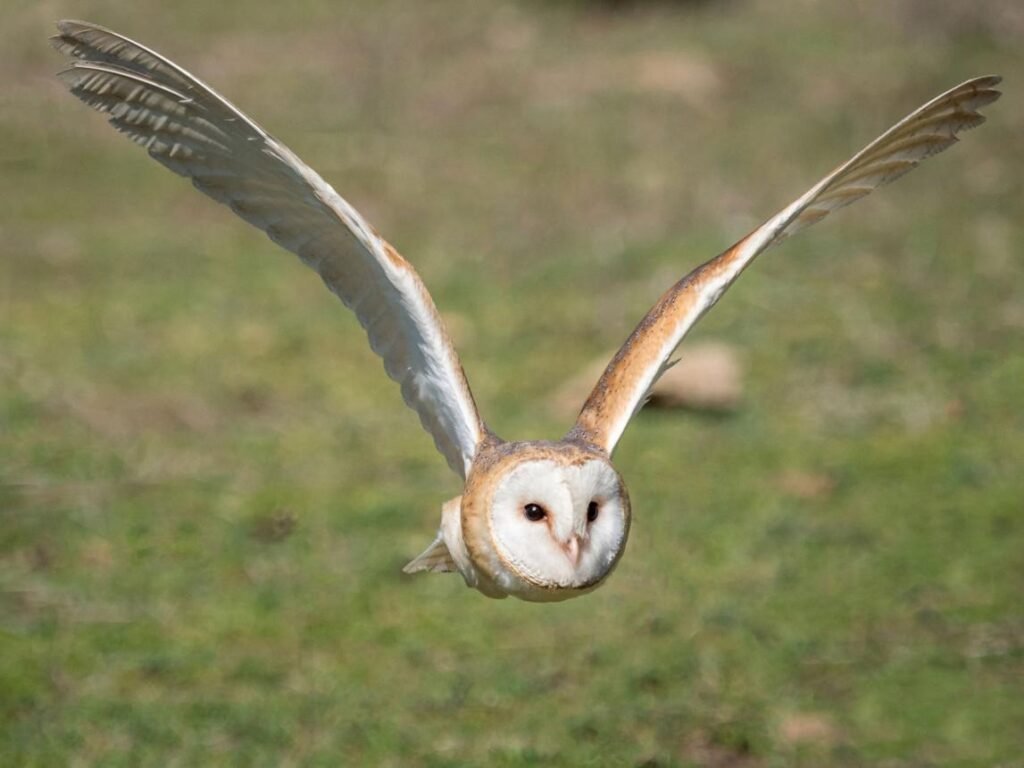
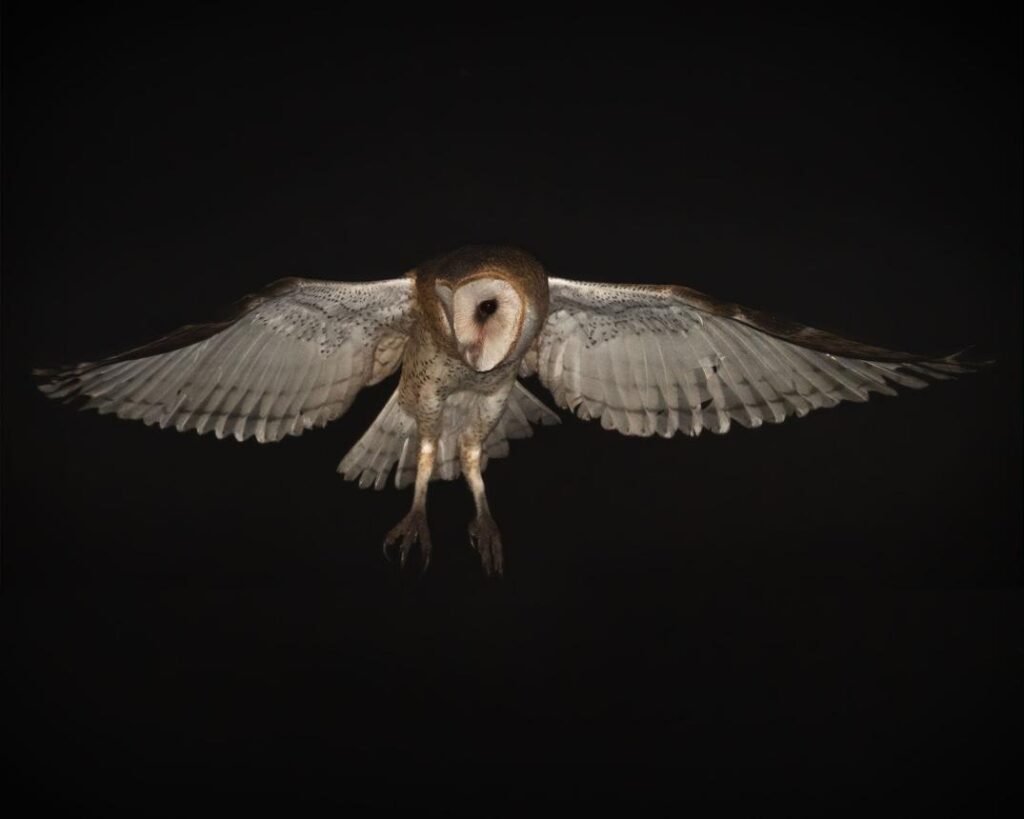
Another extraordinary feature is their silent flight.
Owls are famous for flying with almost no sound.
This is one of the most sophisticated aerodynamic adaptations among birds.
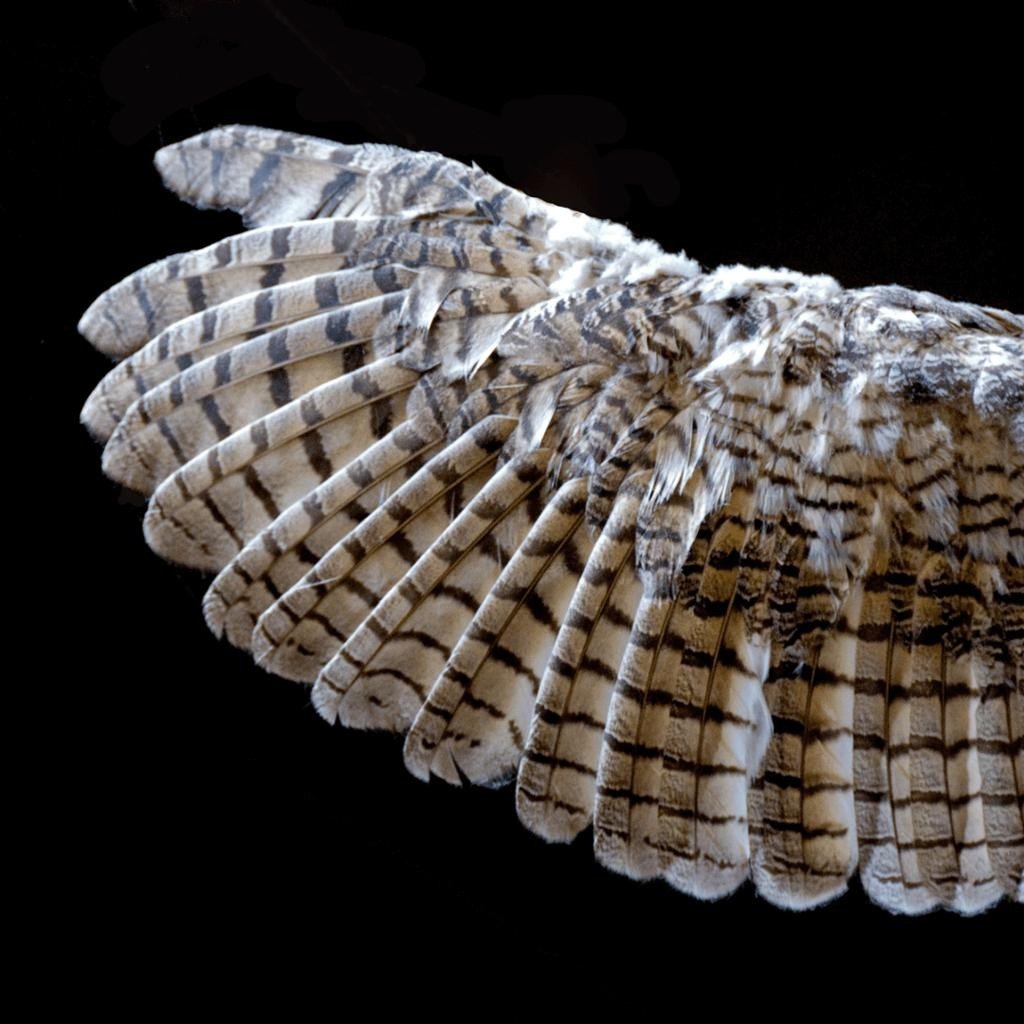
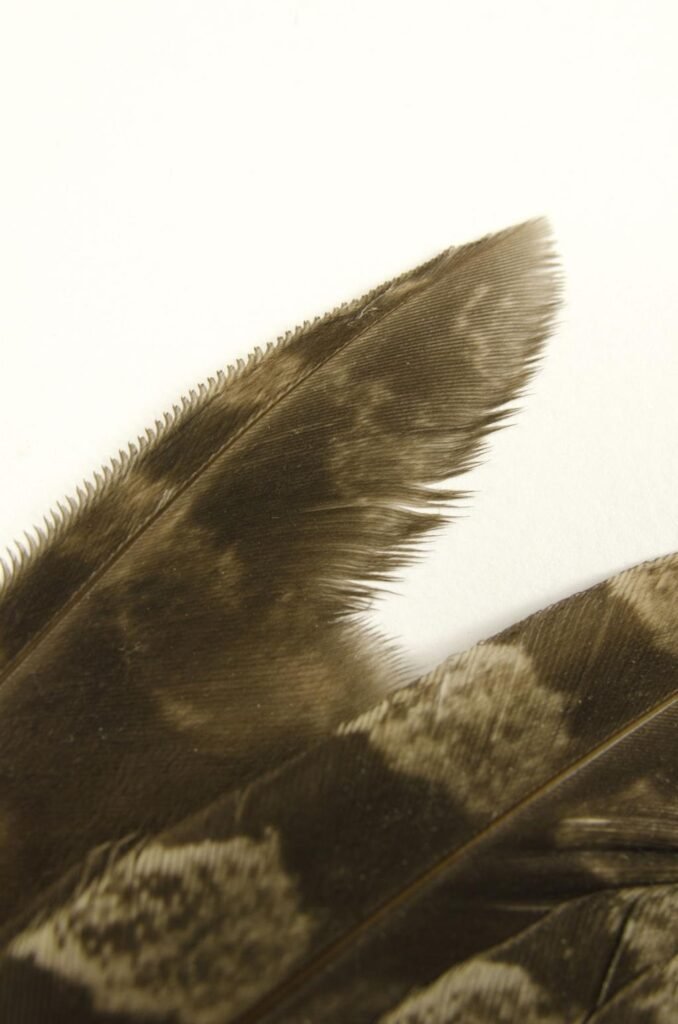
Their feathers possess serrated edges that break up turbulence as air passes over the wings.
Additionally, the surface of the feathers is soft and velvety, reducing friction noise.
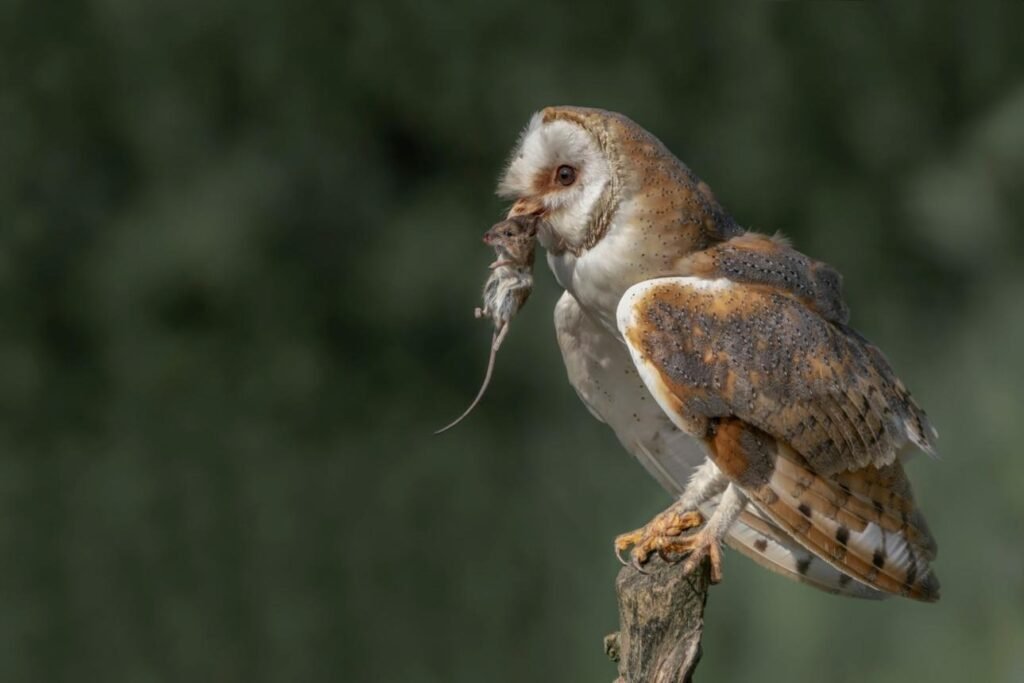
This silent movement is essential during hunting because prey animals such as mice and small birds often rely heavily on hearing.

7
Owls are highly specialized predators.
Their diet depends on the species and habitat but usually includes:
- mice
- rats
- rabbits
- frogs
- insects
- snakes
- lizards
- small birds
- fish
Some larger species, such as the Eurasian eagle-owl, can even hunt fox cubs or other birds of prey.
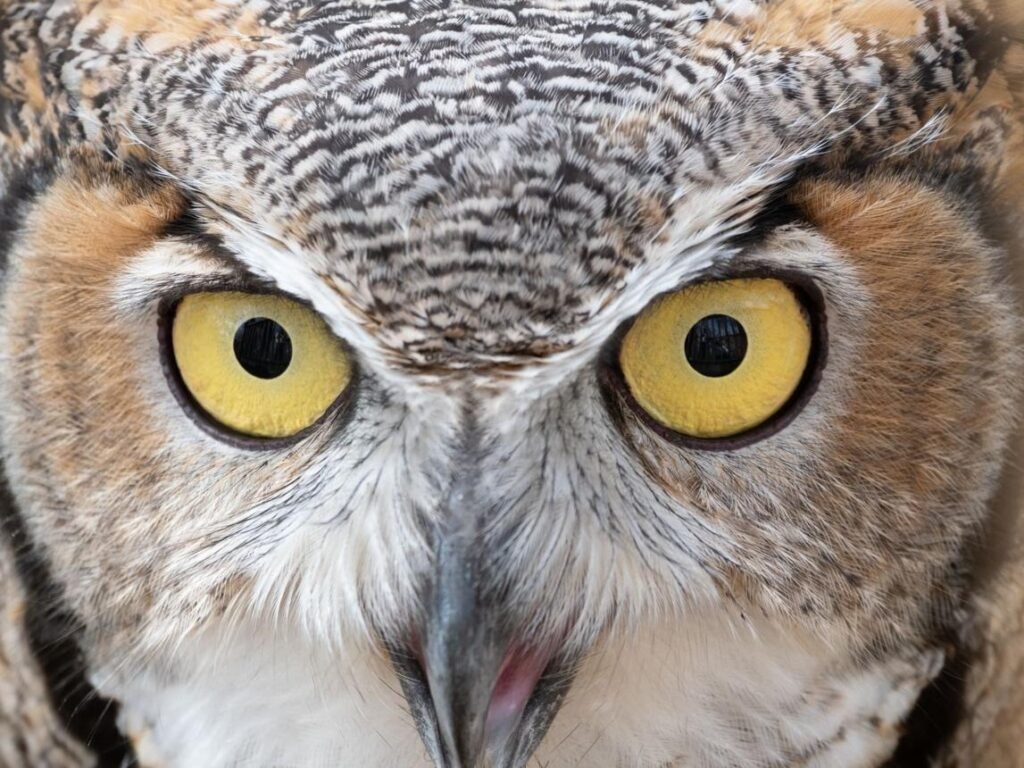
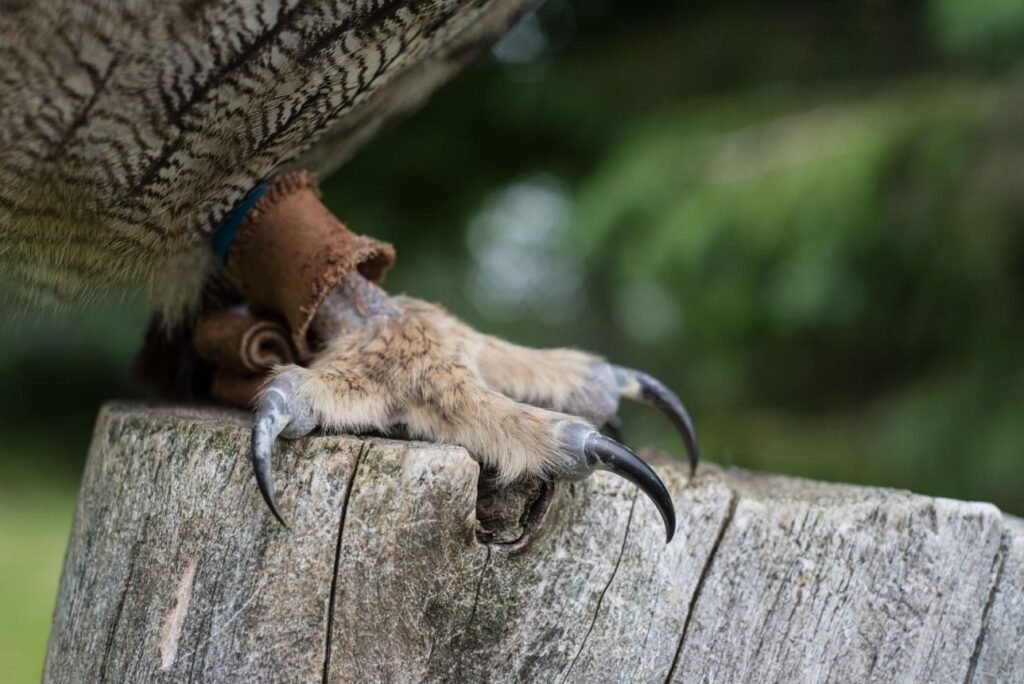
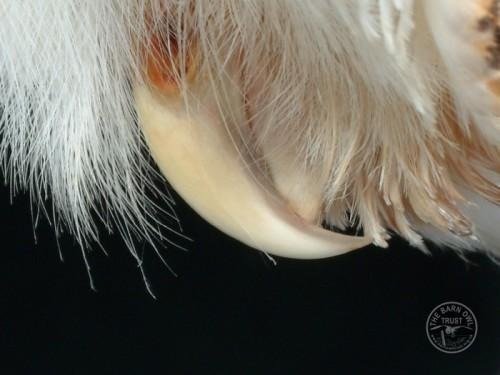
Their talons are one of their most powerful weapons.
These curved claws are extremely strong and capable of applying intense gripping force.
Once prey is captured, escape is nearly impossible.
Their beak is short, curved, and razor-sharp, designed for tearing flesh.
6
Another major adaptation is their hearing.
Many owl species have asymmetrical ear openings.
One ear may be positioned slightly higher than the other.
This allows them to detect vertical and horizontal differences in sound.
As a result, owls can locate prey with extraordinary precision, even when the prey is hidden under leaves, snow, or grass.
Some species can hunt purely by sound.
This is one of the reasons owls are considered among the most effective nocturnal hunters in the animal kingdom.


6
Owls can be found in a wide variety of habitats.
Forest species often use trees for nesting and camouflage.
Grassland species may hunt in open fields.
Mountain owls are adapted to colder climates.
Urban owls can live surprisingly close to humans.
Well-known species include:
- Barn owl
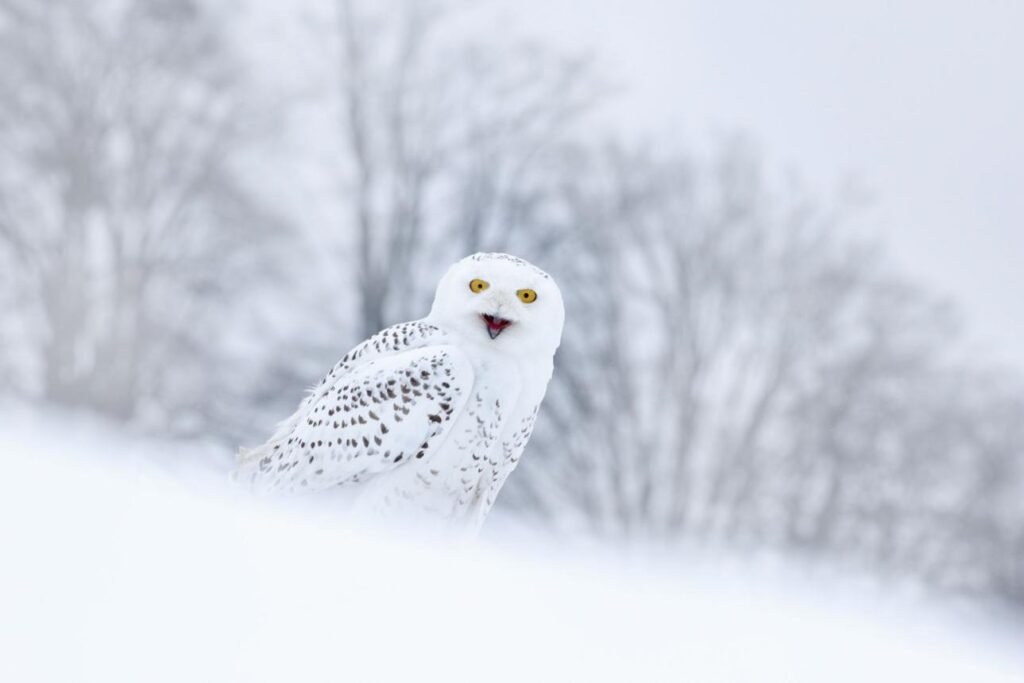
- Snowy owl
- Great horned owl
- Eurasian eagle-owl
Each species has unique physical and behavioral traits.
The Snowy owl, for example, is highly adapted to Arctic environments and often hunts during the day.
7
From an ecological perspective, owls are extremely important.
They help control populations of rodents and small vertebrates.
This ecological role is essential for maintaining balance in ecosystems.
In agricultural environments, owls are especially valuable because they naturally reduce rat and mouse populations.
Culturally, owls have long been associated with wisdom.
In ancient Greece, the owl was linked to Athena, the goddess of wisdom and strategy.
In other cultures, they are symbols of mystery and the supernatural.
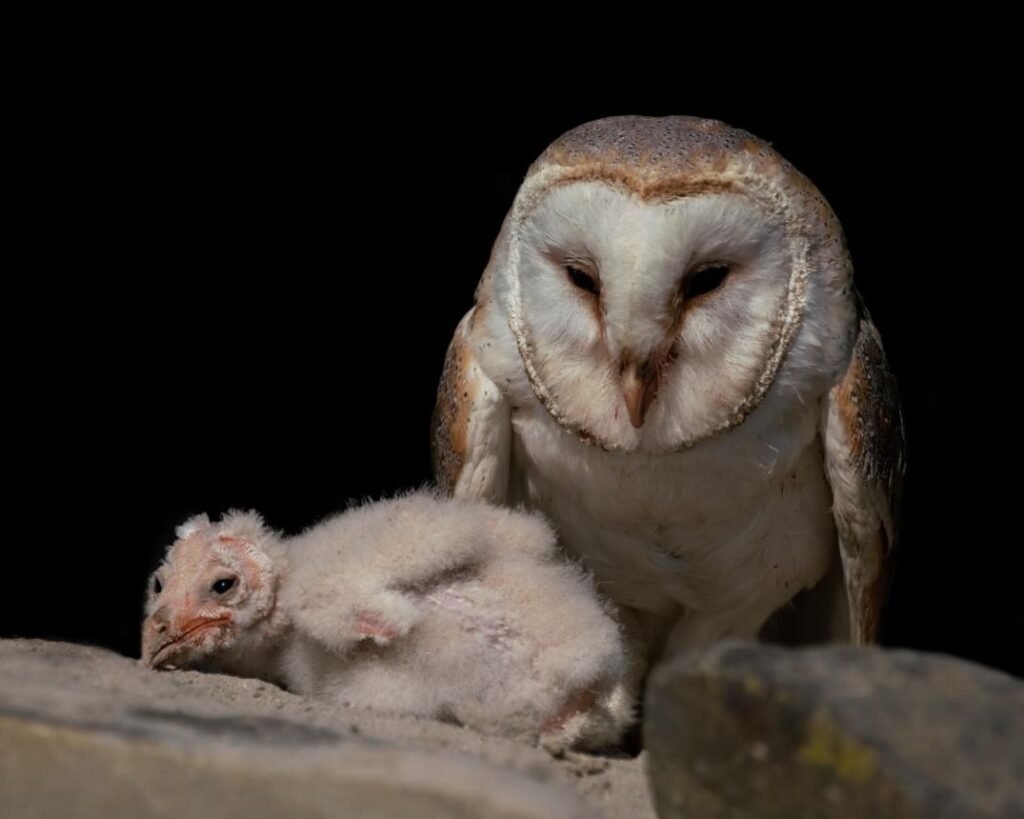
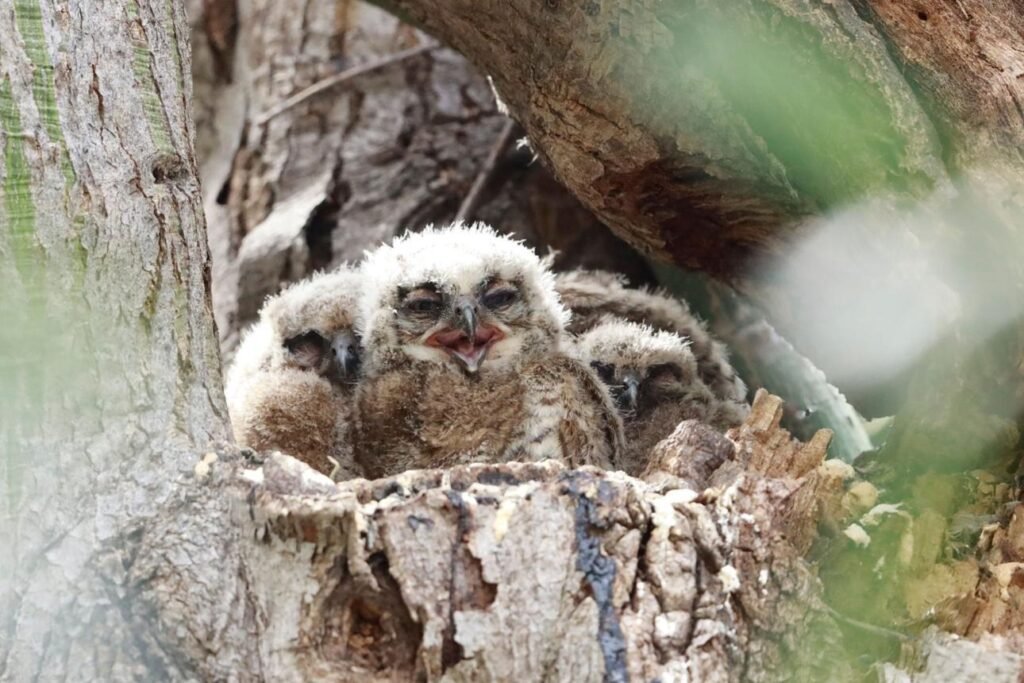
Reproductively, owls usually lay eggs in nests located in tree hollows, cliffs, abandoned nests, or man-made structures.
The parents, especially the female, provide protection and care for the chicks.
7
In conclusion, owls are extraordinary birds that combine anatomical perfection, silent movement, powerful senses, and critical ecological importance.
Their ability to hunt in darkness, fly silently, and detect prey with incredible accuracy makes them one of the most specialized avian predators on Earth.
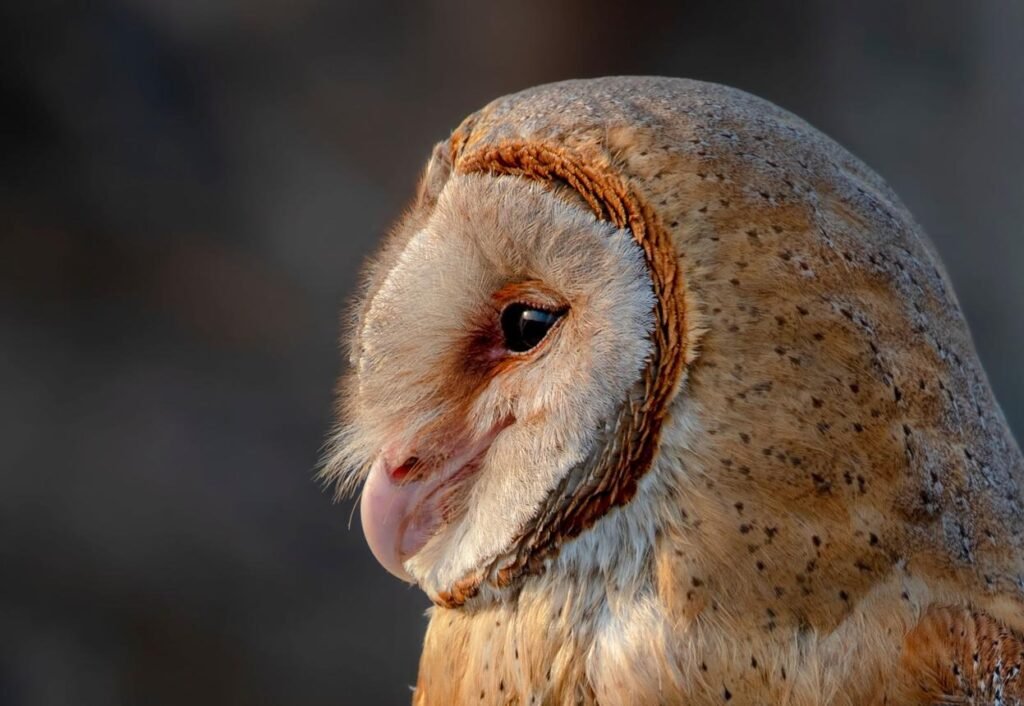
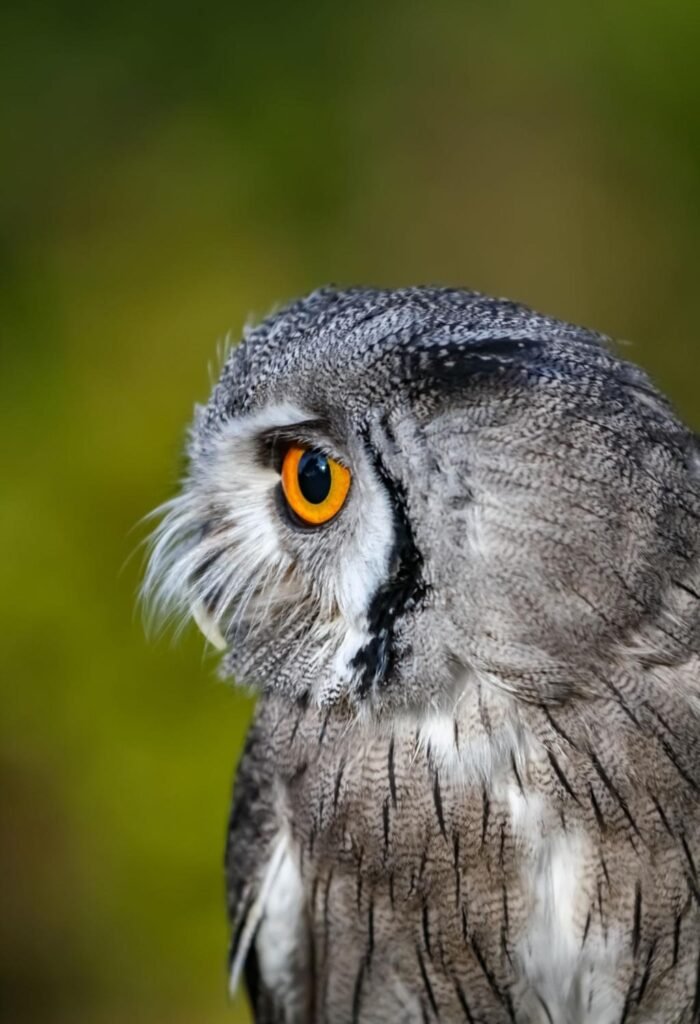
1. Owls can turn their heads up to 270 degrees
One of the most famous facts about owls is their incredible ability to rotate their heads.
Because their eyes are fixed in their sockets and cannot move side to side, owls compensate by turning the neck.
Some species can rotate the head up to 270 degrees, allowing them to see almost everything around them without moving the body.
7
2. They fly almost silently
Owls are famous for silent flight.
Their feathers have soft fringed edges that reduce air turbulence and noise.
This allows them to sneak up on prey almost unnoticed.
6
3. Their eyes are not true eyeballs
Unlike human eyes, owl eyes are more tube-shaped than round.
This gives them excellent night vision but means they cannot move their eyes.
4. Owls have excellent hearing
Many owl species have asymmetrical ears.
One ear is slightly higher than the other.
This helps them detect exactly where sounds come from.
6
5. Some owls hunt during the day
Although owls are mostly nocturnal, not all species hunt only at night.
The Snowy owl, for example, often hunts during daylight.
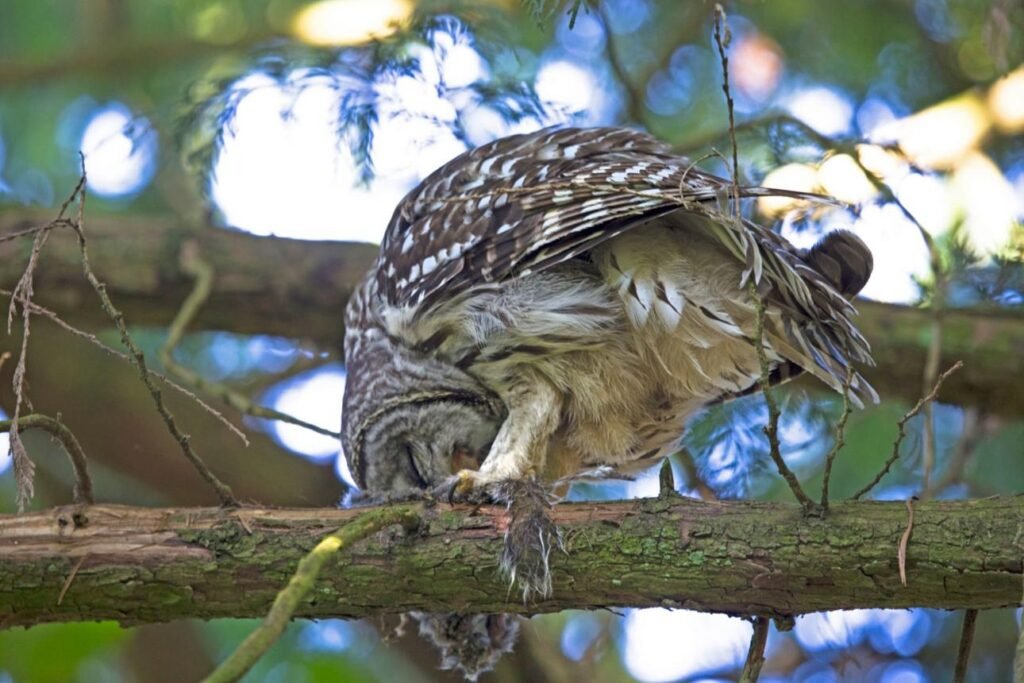
6. They swallow prey whole
Small prey animals are often swallowed whole.
Later, owls regurgitate pellets made of bones, fur, and feathers that cannot be digested.


6
7. They are excellent pest controllers
Owls help control rodent populations by feeding on rats and mice.
This makes them very useful in farming areas.
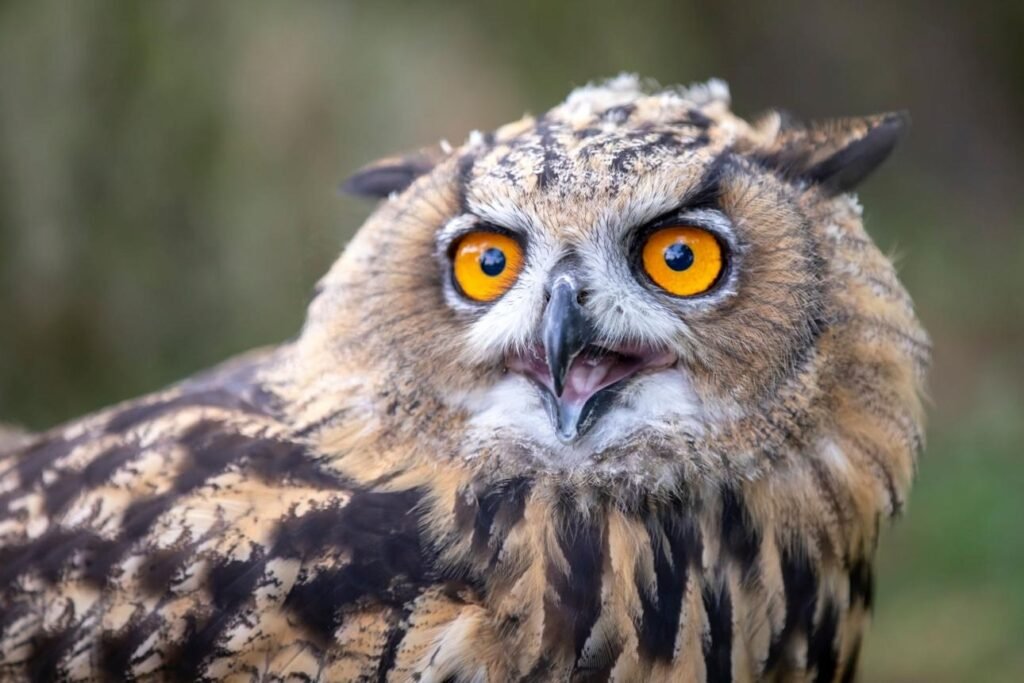
8. Some species are very large
Certain species, such as the Eurasian eagle-owl, are among the largest owls in the world.
6
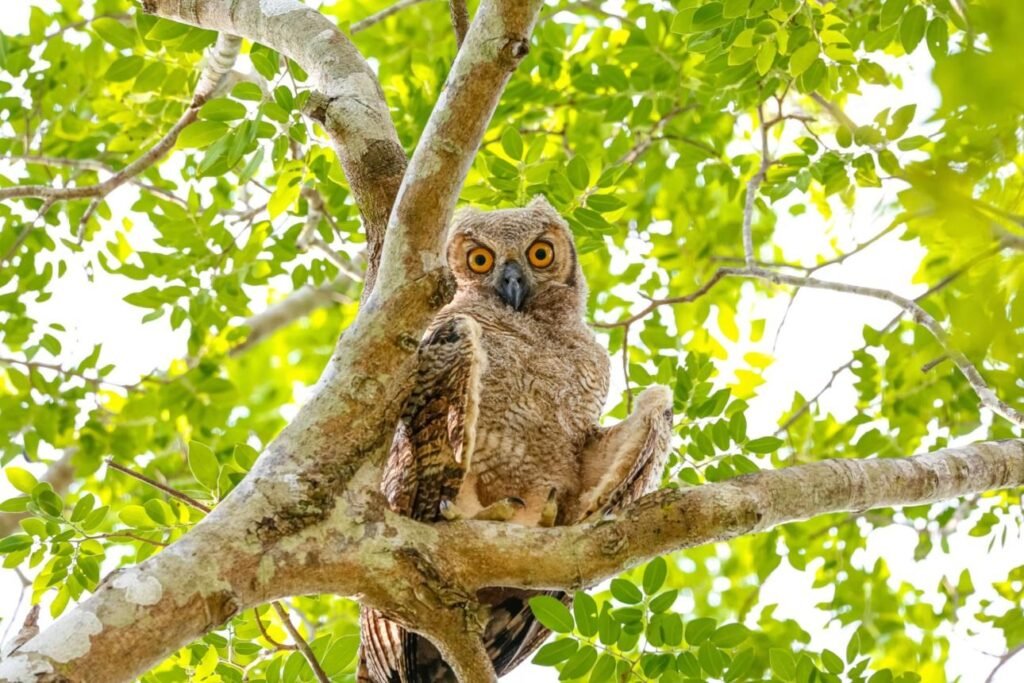
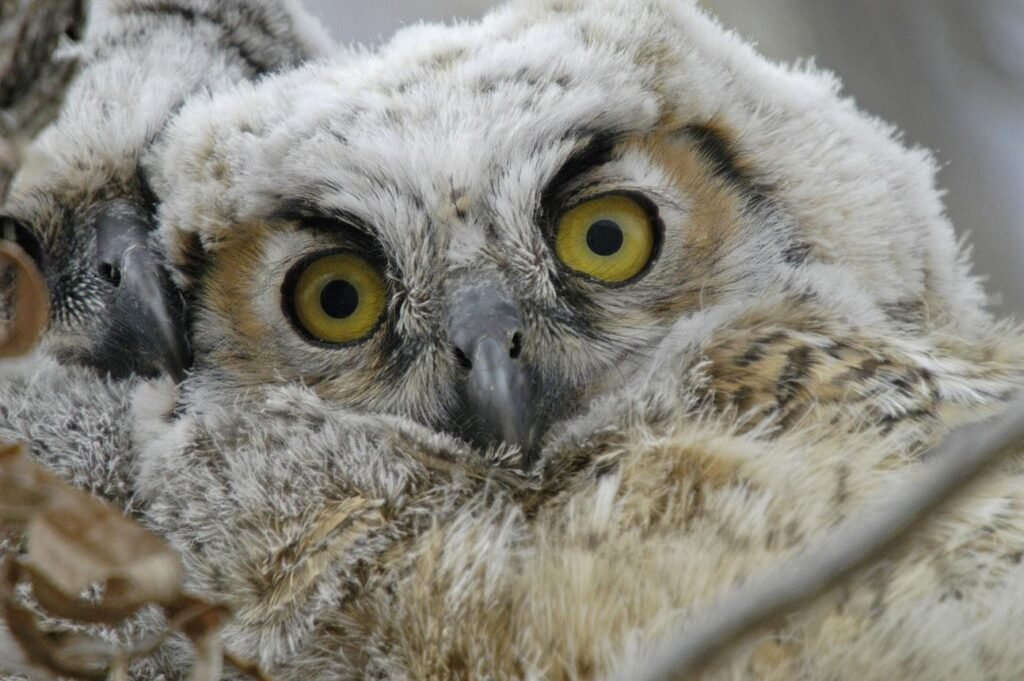
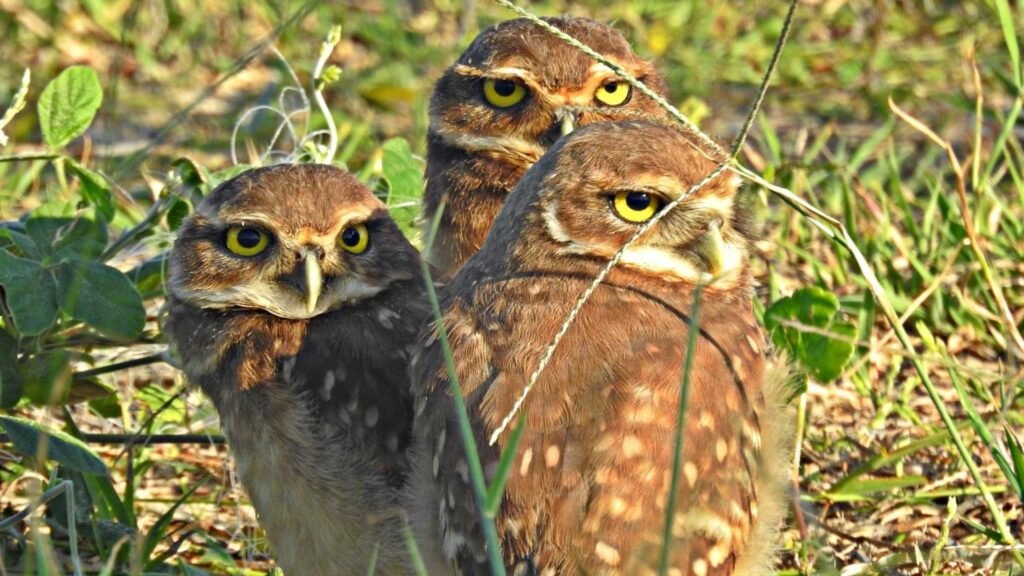
9. Baby owls are called owlets
Young owls are known as owlets and are usually very fluffy.
6
10. They symbolize wisdom
In many cultures, especially in ancient Greece, owls are symbols of wisdom and intelligence.