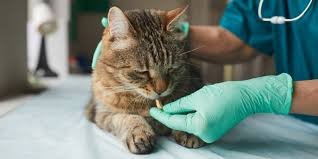
Keeping your cat healthy and free from diseases and parasites is something every cat owner can do without needing to be an expert or spend a lot of money. The secret is creating simple, everyday habits that you can easily add to your normal routine at home. Most problems with fleas, worms, ticks, mites and preventable diseases can be avoided with basic care, regular checks and a few smart routines. This very detailed guide is made especially for regular cat owners who want practical, step-by-step ideas they can start using right away in their own house. No complicated science or expensive equipment — just real things you can do every day or every week to protect your cat and keep them happy and comfortable for many years.

Why These Simple Home Habits Make Such a Big Difference
Cats can get parasites and infections even if they live completely indoors. Fleas can hitch a ride on your shoes or clothes, worms can come from eating a bug or raw food, and some viruses spread through the air. When you do small things consistently at home, you stop problems before they start. This saves you stress, saves your cat discomfort, and saves money on big vet bills later. The best part is that these habits only take a few minutes a day or a little extra time once a week. Over time they become automatic, like brushing your teeth.
Creating Your Own Easy Vaccine Reminder System at Home
You don’t need to memorize every vaccine name. Instead, build a super simple system that works for your family:
- Buy a cheap notebook or use the notes app on your phone and create one page called “My Cat’s Health Calendar”.
- Write down the date of the last vet visit and set a phone reminder for 2 weeks before the next one should happen (usually every 6 or 12 months for adult cats).
- Keep printed copies of all vaccine records in a clear plastic folder near the cat food or litter box so it’s easy to find.
- Take photos of the records with your phone and save them in a folder called “Cat Health”.
For kittens, the first months are extra important. Most need their first shots around 8 weeks old, then boosters every 3 to 4 weeks until they are about 4 months. After that, one yearly visit is usually enough for indoor cats. On “vaccine check day” you can also do a quick home health check (more on that below). This simple system means you will never forget and your cat stays protected without extra effort.
Flea and Tick Prevention You Can Do Completely at Home
Fleas are the most common parasite and they can arrive even in apartments. Here is what you can do every week:
- Buy an inexpensive flea comb (the ones with very close teeth) and brush your cat for 5 minutes once or twice a week. Do this on a white towel or sheet so you can easily see any black specks (that’s flea dirt). Start at the head and go all the way to the tail, paying special attention to the neck, belly and base of the tail.
- Vacuum your floors, sofas, cat beds and under furniture at least twice a week. Empty the vacuum bag or canister outside immediately so fleas don’t escape back into the house.
- Wash your cat’s bedding, blankets and favorite sleeping spots in hot water every 7 to 10 days. Add a little white vinegar to the wash — it helps kill flea eggs naturally.
- If your cat goes outside sometimes, do a quick “body check” every time they come back inside. Run your hands through their fur and look for any small dark spots or ticks.
These habits alone can stop most flea problems before they become an infestation. If you ever see fleas, repeat the vacuuming and washing every day for one week and the problem usually disappears fast.
Worm Prevention with Easy Daily Routines
Worms are invisible but very common. You can reduce the risk a lot at home by:
- Scooping the litter box every single day (twice a day is even better). Fresh poop means fewer worm eggs stay in the house.
- If you ever give your cat raw meat or let them hunt, freeze the meat for at least 3 days before feeding — this kills many parasites naturally.
- Keep the kitchen counters clean and don’t leave food out where flies can land on it.
- Once every 3 months (you can mark it on the same calendar as vaccines), give your cat an easy worm treatment from the pet shop or vet. Many are just a tasty paste or tablet that you mix with a little wet food.
Doing these things regularly means your cat stays protected without you having to think too hard.
Simple Weekly Home Health Checks Anyone Can Do
Pick one day of the week (Sunday morning works for many people) and spend 10 minutes doing a full “cat check”:
- Run your hands slowly over the entire body feeling for any new bumps, bald patches, scabs or rough skin.
- Look inside both ears for dark brown wax or bad smell.
- Gently lift the lips and check if the gums are nice and pink.
- Watch your cat walk across the room — they should move smoothly without limping.
- Note how much they are eating and using the litter box.
Write down anything different in your notebook. This weekly check becomes a habit and helps you notice problems very early.
Daily Habits That Support Strong Immunity
- Give fresh water in at least 2 or 3 different bowls around the house. Many cats prefer drinking from a bowl that is far from the food.
- Play with your cat for 10 to 15 minutes every day using a wand toy or laser pointer (finish with a real toy so they feel they “caught” something). Active cats have stronger natural defenses.
- Keep the house calm. Loud noises and sudden changes can lower immunity, so use a pheromone diffuser (very easy to plug in) if your cat seems stressed when you are away.
- Brush or pet your cat every day — this removes loose hair, reduces hairballs and helps you feel their body condition.
What to Keep in a Simple Home “Cat Health Box”
Make a small box or drawer with these easy items:
- Flea comb
- Packet of pet wipes
- Small bottle of pet ear cleaner
- Notebook and pen for notes
- Phone number of your vet and the nearest 24-hour clinic written in big letters
Keep it somewhere easy like next to the litter box or in the kitchen.
Seasonal Tips That Make Prevention Even Easier
In summer, check for fleas more often because they love warm weather. In winter, focus on keeping the litter box extra clean because cats stay indoors more. Every season, do a big house clean (vacuum + wash bedding) at the beginning of the new season.
Common Mistakes and How to Fix Them Easily
- Forgetting to vacuum under the sofa — solution: do it every Saturday morning while listening to music.
- Only cleaning the litter box once a week — solution: scoop every morning when you feed breakfast.
- Not having a reminder system — solution: set a phone alarm that repeats every 3 months.
When to Call the Vet Right Away
If your cat stops eating for more than 24 hours, has diarrhea for 2 days, vomits more than twice, seems very tired, or has any swelling or bald spots that appear suddenly, don’t wait. Call the vet the same day.
Making It a Family Routine
Get everyone in the house involved. Kids can help brush the cat or fill water bowls. Turn the weekly check into a quick family moment. When the whole family participates, the habits stick much better and your cat gets even more love and attention.
In conclusion, preventing health problems in your cat is mostly about small, consistent actions you can do at home every day and every week. Brushing, vacuuming, scooping the litter box, checking the calendar and playing together are simple things that make a huge difference. You don’t need expensive products or special knowledge — just a little organization and love. Start with just two or three ideas from this guide today (maybe the weekly brushing and the vaccine reminder) and add more when they become easy. Within a few weeks you will notice your cat is calmer, healthier and happier. These easy home habits are one of the best ways to show your cat how much you care. They help your cat live a longer, more comfortable life and give you peace of mind knowing you are doing a great job as a cat parent. Small actions every day really do create big results over time. Your cat will thank you with more purrs, more play and many healthy years together at home.