Grooming Your Cat at Home Without Stress
Grooming your cat at home is one of the easiest and most loving things you can do as a cat owner. It keeps their coat clean and shiny, prevents painful mats and hairballs, reduces shedding around the house, and helps you notice any small health problems early. Best of all, it can be done completely at home with very simple tools and almost no cost. Many people think grooming a cat will be stressful or difficult, but with the right approach, short sessions, and lots of patience, most cats actually learn to enjoy it or at least stay calm. This very practical guide is written for regular cat owners who want simple, step-by-step ideas they can start using today in their own house. No fancy equipment or professional experience needed — just everyday items you probably already have or can buy cheaply.
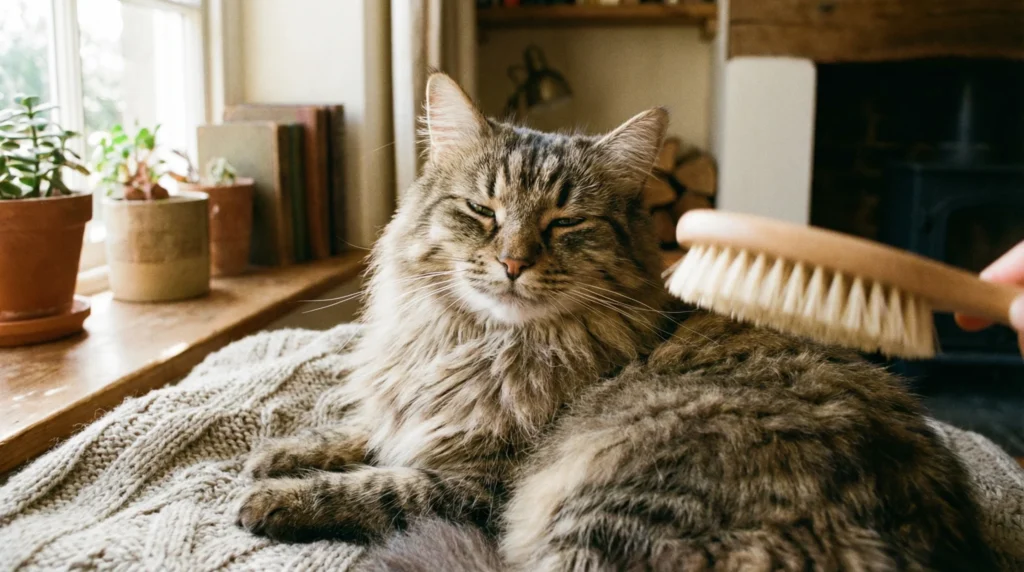
Why Grooming at Home Makes Such a Big Difference
Cats spend a lot of time licking themselves, but they can’t reach everywhere and sometimes swallow too much hair, which causes hairballs. Regular home grooming removes loose fur, keeps the skin healthy, and prevents knots that can pull and hurt. It also gives you quiet one-on-one time with your cat, which helps them feel safe and loved. For long-haired cats, grooming a few times a week can completely stop mats. For short-haired cats, a quick weekly brush is enough to reduce the amount of hair on your sofa and clothes. Even hairless cats need gentle wiping to remove oils from their skin. When you groom at home regularly, your cat stays more comfortable, you spend less money on professional groomers, and you become better at noticing if something feels different on their body.
Understanding Your Cat’s Coat Type (So You Know What to Do)
Every cat is different, so the routine changes a little depending on their fur:
- Short-haired cats (like Siamese, Brazilian Shorthair or common mixed breeds): They usually need only 5–10 minutes of brushing once or twice a week.
- Long-haired cats (Persian, Maine Coon, Ragdoll, Norwegian Forest): These need brushing every 2–3 days to prevent big mats, especially under the arms, belly and behind the legs.
- Medium-haired cats (British Shorthair, Scottish Fold): They fall in the middle — a good brush once a week is usually enough.
- Hairless cats (Sphynx): They don’t need brushing, but they need gentle wiping with a soft cloth or baby wipe every few days to remove body oils.
Spend one minute just watching your cat and feeling their fur so you know which type you have. This helps you choose the right brush and how often to groom.
Cheap and Simple Tools You Can Use at Home
You don’t need expensive products. Start with these basic items that cost very little:
- A soft bristle brush or rubber grooming mitt (great for short-haired cats)
- A wide-tooth metal comb or slicker brush for long-haired cats
- A fine flea comb (useful for everyone)
- Baby wipes or a soft damp cloth for quick cleaning
- Cat-safe nail clippers (the ones with a guard so you don’t cut too short)
- A small bottle of pet ear cleaner (or just warm water on cotton)
- Treats or their favorite food to reward calm behavior
Keep everything together in a small box near where your cat likes to relax. That way you can grab it quickly and the cat gets used to seeing the box as something normal.
How to Brush Your Cat Without Stress – Step by Step
The secret is to keep sessions very short at first (only 2–3 minutes) and always end on a positive note.
- Choose a time when your cat is already relaxed — after eating or after a play session.
- Sit on the floor or on the sofa so you are at their level.
- Let them sniff the brush first so they know it is not scary.
- Start brushing from the head and neck (most cats like this area) and move slowly toward the back and sides. Use gentle strokes in the direction the fur grows.
- For the belly and legs, go very slowly — many cats are sensitive there. If they get restless, stop and give a treat.
- For long-haired cats, gently comb out any small tangles. Never pull hard — if the knot is big, cut it carefully with round-tip scissors or ask a vet to help the first time.
- Finish with a few gentle strokes and lots of praise or a treat so your cat remembers grooming as something good.
Do this 3–4 times a week and within a couple of weeks most cats stop running away and may even start purring.
Bathing Your Cat at Home (Only When Really Needed)
Most cats do not need regular baths. Only bathe if they are very dirty, have a skin problem, or got into something sticky. When you do:
- Use lukewarm water and a gentle cat shampoo (never human shampoo).
- Put a rubber mat in the sink so they don’t slip.
- Wet the cat slowly with a cup or gentle spray, starting from the back.
- Use very little shampoo, massage gently, and rinse completely.
- Dry with a soft towel and let them air-dry in a warm room.
- Give lots of treats and play time right after so they forget the bath quickly.
Cutting Nails at Home – Easy and Safe
Nails that get too long can catch on things and hurt. Trim every 2–4 weeks:
- Choose a time when your cat is sleepy.
- Gently press the paw pad so the nail comes out.
- Cut only the clear tip — never the pink part (the quick).
- If you accidentally cut too short and it bleeds, press some corn starch or flour on it for a minute.
- Reward with a treat immediately after each paw.
Start with just one or two nails per session so your cat doesn’t get overwhelmed.
Cleaning Ears and Eyes at Home
Once a week, look inside the ears. If you see dark wax or smell something bad, gently wipe the outer ear with a cotton ball and warm water or pet ear cleaner. Never push anything deep inside the ear. For eyes, wipe any crust with a soft damp cloth from the inside corner outward.
Making Grooming a Positive Experience
- Always use treats, calm voice and slow movements.
- Never chase or hold your cat down forcefully.
- If your cat gets scared, stop immediately and try again tomorrow with an even shorter session.
- Some cats like to be groomed while they are eating a special treat on the counter.
- Play soft music or use a pheromone spray in the room to keep them calm.
Simple Weekly Grooming Routine You Can Follow
Sunday morning works well for many owners:
- 5 minutes brushing
- Quick nail check (trim if needed)
- Ear and eye wipe
- Litter box area clean
- Reward with play time and treats
This whole routine takes less than 15 minutes but keeps your cat looking and feeling great.
Common Mistakes and How to Fix Them
- Brushing too hard or too long at the beginning — solution: start with 2 minutes only.
- Using human products — solution: buy cheap cat-specific items.
- Giving up because the cat runs away — solution: be patient and make it positive with treats.
- Forgetting to check the belly and armpits — solution: make it part of your weekly checklist.
Special Tips for Kittens, Seniors and Long-Haired Cats
Kittens: Start grooming from 8 weeks old so they get used to it.
Seniors: Use softer brushes and shorter sessions because they get tired faster.
Long-haired cats: Brush every other day and pay extra attention to the areas they can’t reach themselves.
In conclusion, grooming your cat at home without stress is completely possible and actually quite simple once you turn it into a short, positive habit. With just a few cheap tools, 10–15 minutes a week, and lots of treats and patience, you can keep your cat’s coat healthy, reduce hairballs, prevent mats, and build a stronger bond at the same time. These easy home routines are things any cat owner can do — no special skills required. Start today with just one small thing (maybe a 3-minute brushing session) and add more as your cat gets comfortable. Within a few weeks you will notice less hair on the furniture, a shinier coat, and a calmer, happier cat. Grooming at home is one of the nicest ways to show your cat how much you care, and it costs almost nothing except a little time and love. Your cat will feel better, look better, and enjoy more comfortable days because you took the time to groom them gently at home.