Having a well-stocked first aid kit for your indoor pet is one of the smartest and most practical things you can do as a responsible owner. Accidents and sudden health issues can happen at any time — a cut paw, a bee sting, vomiting after eating something they shouldn’t, a seizure, or a minor injury from playing. In those critical first minutes before you can reach a veterinarian, the right supplies and quick knowledge can stabilize your pet, reduce pain, prevent complications, and sometimes even save their life. The good news is that you don’t need a professional medical kit or expensive items. You can build a complete, effective first aid kit at home using affordable supplies that you can buy once and keep ready for years. This practical guide is made for regular pet owners who want clear, step-by-step ideas they can start using today in their own house, no matter if they have a dog, cat, rabbit, hamster, guinea pig, bird, or any other small indoor pet.
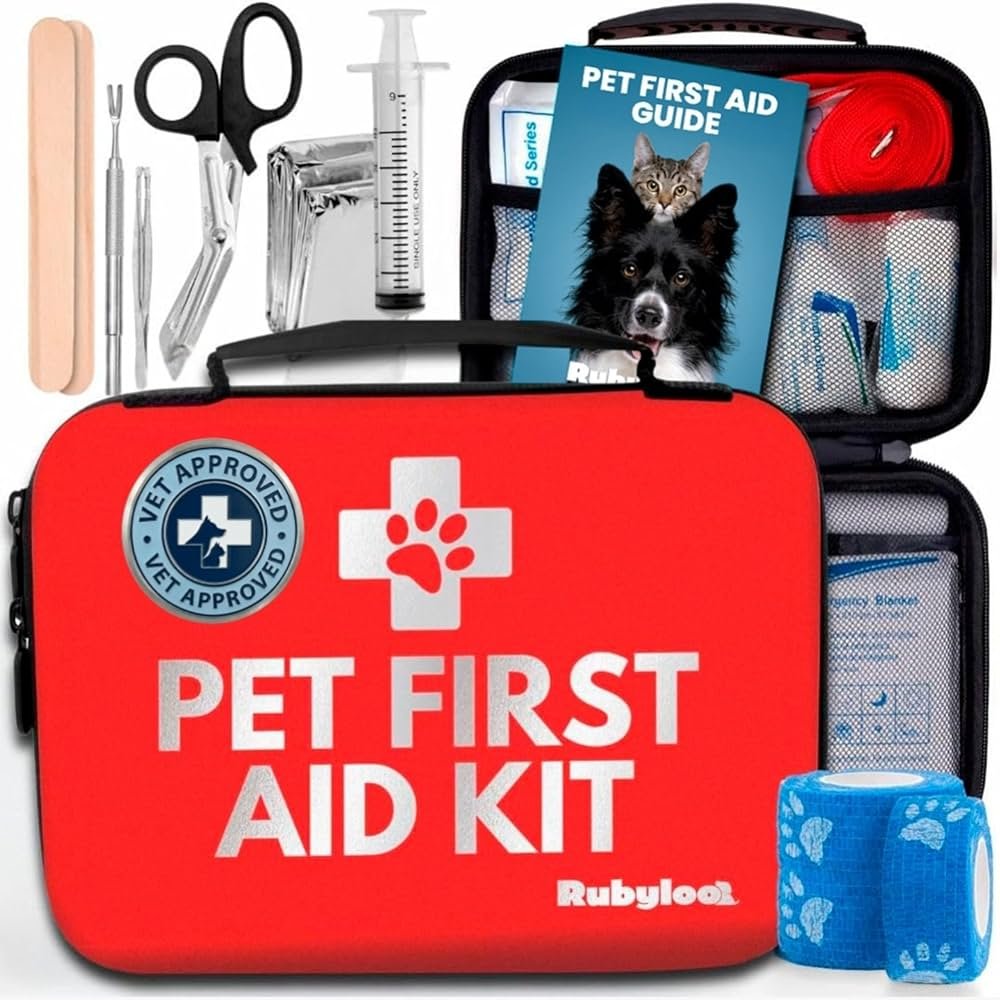
Why Every Indoor Pet Owner Needs a First Aid Kit
Indoor pets live in the same environment every day, but unexpected things still happen: they can slip on a floor, get into something toxic, fight with another pet, or suddenly show signs of illness. Veterinary clinics are not always open 24 hours, and traffic or distance can delay help. In those moments, basic first aid can control bleeding, reduce swelling, prevent shock, clear airways, or keep your pet calm until professional care arrives. A dedicated kit gives you confidence and peace of mind. It is not just a box of supplies — it is a portable emergency station tailored to your pet’s needs. Keeping one at home and a smaller version in your car means you are always prepared.
The Complete Home First Aid Kit – Essentials You Can Assemble Easily
Store everything in a waterproof, clearly labeled plastic container or backpack that is easy to grab. Check and replace expired items every 6 months. Here is what you need:
- Sterile gauze pads and gauze rolls in different sizes — for covering wounds and applying pressure.
- Self-adhering veterinary wrap (Vetrap or cohesive bandage) — holds dressings without sticking to fur or feathers.
- Non-stick wound pads — perfect for paws, cuts, and sensitive areas.
- Antiseptic wipes or chlorhexidine solution (2–4%) — cleans wounds safely.
- Saline wound wash or sterile saline eye wash — flushes debris from eyes or wounds.
- Hydrogen peroxide (3%) — only for inducing vomiting on vet advice (never pour on wounds).
- Activated charcoal — for toxin ingestion (use only under vet direction).
- Tweezers and tick remover tool — for removing splinters, ticks, or foreign objects.
- Blunt-ended scissors — for cutting bandages or matted fur.
- Digital thermometer (rectal) + lubricant — normal temperature varies by species (38–39°C for most dogs and cats).
- Muzzle or soft cloth muzzle alternative — even friendly pets can bite when in pain.
- Disposable gloves and hand sanitizer — protects you and prevents infection.
Medications & Topicals (Vet-Approved Only)
- Triple antibiotic ointment (without pain reliever) — for minor cuts.
- Antihistamine (diphenhydramine/Benadryl) — for allergic reactions or insect stings (dose by weight — ask your vet).
- Styptic powder or pencil — stops bleeding from torn nails or small cuts.
- Eye ointment or saline drops — for minor eye irritation.
Tools & Miscellaneous
- Flashlight or headlamp — emergencies often happen at night.
- Emergency blanket (space blanket) — prevents shock by retaining body heat.
- Clean towels — for drying or applying pressure.
- Large syringe (without needle) — for giving oral medications or flushing wounds.
- Pet first aid manual or laminated quick-reference card with your vet’s phone number and nearest 24-hour clinic.
- Copies of vaccination records and microchip information.
Travel / Car Kit (Smaller Version)
Keep a compact version in your car with the same basics plus a collapsible water bowl, bottled water, extra leash or carrier, waste bags, and instant cold packs.
How to Use the Kit in Common Emergencies
- Bleeding cut or paw injury — Apply pressure with gauze for 5 minutes. Clean with saline, apply antibiotic ointment, and wrap loosely.
- Bee or insect sting — Give Benadryl (per vet dose), apply a cold compress, and watch for swelling or difficulty breathing.
- Choking or vomiting — Check the mouth, remove visible objects if safe, and rush to the vet if breathing is labored.
- Heatstroke — Move to a cool area, wet with cool water (focus on head, neck, belly, and paws), offer small sips, and go to the emergency clinic immediately.
- Seizure — Clear the area, time the seizure, do not put anything in the mouth, and call the vet afterward.
Training and Preparation
Take a few minutes to practice bandaging a paw or leg while your pet is calm so they are familiar if an emergency happens. Update your kit every January and July. Keep the vet’s number, emergency clinic address, and poison control hotline saved in your phone and written inside the kit.
Maintenance and Storage Tips
Store in a cool, dry place away from direct sunlight. After using any item, replace it immediately. Keep a smaller “grab-and-go” kit near the front door for quick exits.
When First Aid Is Not Enough
Use the kit to stabilize, never to replace professional care. Rush to the vet if you see heavy bleeding that doesn’t stop, difficulty breathing, collapse, seizures, severe pain, or suspected poisoning.
Special Considerations for Different Pets
Dogs and cats need larger bandages. Rabbits and guinea pigs need very gentle handling. Birds and small rodents need tiny tools and extra care because they stress easily. Adjust the kit slightly for your pet’s size and species.
In conclusion, an indoor pet first aid kit is more than supplies — it is preparation, confidence, and love in action. By assembling the items listed above, learning basic techniques, and staying calm in an emergency, you become your pet’s first line of defense when seconds count. Take the time today to build or upgrade your kit, practice a few skills, and review the contents with your family. You will never regret being ready. Your indoor pet cannot call for help or treat themselves — they rely completely on you. A complete first aid kit, combined with regular observation and responsible ownership, gives your pet the best possible chance in any crisis. Be prepared, stay informed, and enjoy the peace of mind that comes from knowing you can act quickly and effectively when your furry (or feathered or scaled) family member needs you most. Your pet’s life may depend on it one day — and your quick response could be the reason they are still by your side for many happy years to come.