Traveling with your cat can be a wonderful experience that strengthens your bond and lets your cat explore new places safely, but it requires careful planning and simple preparations you can do at home. Many cats become stressed by changes in routine, unfamiliar sounds, motion, or new environments, so the key is to make the whole process predictable, comfortable, and positive. The good news is that you don’t need expensive gear or professional services for most trips. With basic items you already have or can buy cheaply, plus calm routines you can practice at home, you can travel by car, plane, or stay in hotels with your cat while keeping them relaxed and safe. This practical guide is made for regular cat owners who want easy, step-by-step ideas they can start using today. It covers everything from planning ahead to daily habits during the trip, common problems and quick fixes, and how to make every journey a calm and enjoyable adventure for both of you.
Preparation at Home Before Any Trip
Start planning at least two to four weeks before you travel. First, visit your vet for a quick health check and get any required vaccination records or health certificates. Take clear photos of your cat and update their microchip information with your travel phone number. Choose a sturdy carrier or crate that is big enough for your cat to stand up, turn around, and lie down comfortably. Let your cat get used to the carrier at home by placing it in a favorite room with a soft blanket and treats inside. Feed meals inside the carrier and leave the door open so your cat sees it as a safe, positive place rather than something scary. This short daily practice for a couple of weeks makes a huge difference on travel day. Pack a dedicated travel bag with familiar items: their favorite blanket or bed that smells like home, a few toys, long-lasting chews, enough food for the whole trip plus extra, collapsible bowls, waste bags, a small litter box or disposable pads, and any regular medications. These familiar things help your cat feel more secure no matter where you go.
Traveling by Car – The Easiest and Most Flexible Option
Car trips are usually the simplest way to travel with your cat. Secure the carrier on the back seat using a seatbelt or place it in a stable spot so it cannot move during sudden stops. Never let your cat roam free in the car because it can be dangerous for both of you. Plan your route with stops every two to three hours so your cat can have a short break, drink water, and use a portable litter tray. Keep the car at a comfortable temperature — use sunshades in summer and a blanket in winter. Play soft, calm music or leave the engine running with air conditioning on if you need to step out briefly. Offer a small meal or treat before the trip and avoid large meals right before leaving to reduce motion sickness. Many cats settle down after the first hour if the journey is calm and they have familiar smells around them. These simple habits make long car rides much more relaxed for your cat.
Traveling by Plane – What You Need to Know
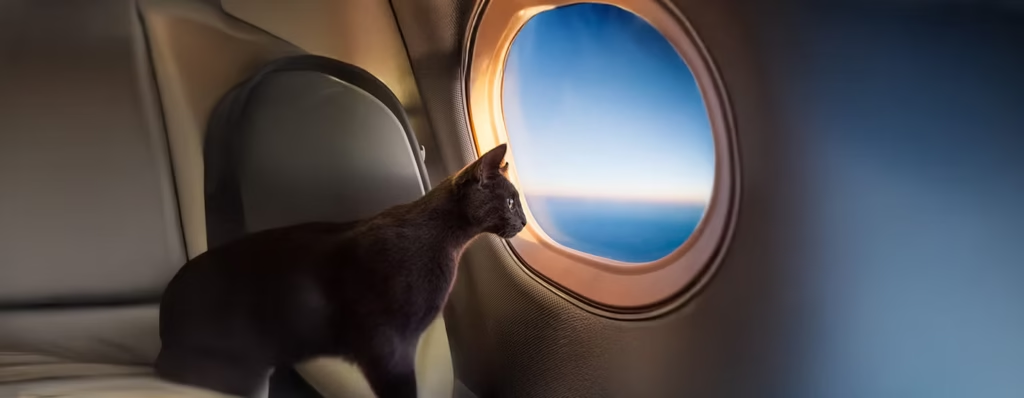
Air travel needs extra planning because rules vary between airlines. Check the airline’s pet policy early and book a direct flight whenever possible to reduce stress. Most airlines allow small cats in the cabin if the carrier fits under the seat. Practice putting your cat in the carrier for short periods at home and take a few short car rides so they get used to the movement. On the day of the flight, give your cat a light meal a few hours before and make sure they have used the litter box right before check-in. Bring all required documents in a clear folder and keep them with you. During the flight, place the carrier under the seat and speak softly to your cat through the door. After landing, find a quiet corner for a drink of water and a litter break as soon as possible. These careful steps help your cat stay calm even on longer flights.
Staying in Hotels and Pet-Friendly Accommodations
Choose hotels that clearly welcome cats and confirm the exact rules when you book. Ask for a room on the ground floor or near an exit for easier litter box trips. Bring your own sheet or blanket to cover the hotel bed and furniture so your cat feels comfortable and the hotel stays clean. Set up a small safe area in the room with the carrier, a litter box, food, water, and familiar toys so your cat has a quiet place to relax when you are out. Never leave your cat alone in the room unless the hotel allows it and you are sure they will stay calm. Take the litter box outside for cleaning each day and always pick up after your cat immediately. These small actions keep the hotel happy and your cat relaxed during the stay.
Daily Habits That Make Travel Easier
Keep the same feeding and play times as much as possible even when traveling. Offer small meals at regular hours and spend a few minutes playing with a wand toy or hiding treats so your cat gets mental stimulation. Give fresh water often and change it when it gets warm. If your cat seems nervous, use a pheromone spray or diffuser in the carrier or hotel room — many cats calm down quickly with this familiar scent. Talk to your cat softly during the journey and offer gentle petting when they are calm. These consistent habits help your cat feel that travel is just a normal part of life rather than something scary.
Common Problems and Easy Home Fixes
Motion sickness can be reduced by feeding a light meal before travel and keeping the carrier stable. If your cat meows a lot, practice short trips at home and reward quiet behavior with treats. For hotel stays, bring an extra litter box so your cat always has a clean place nearby. If your cat hides under the bed, place their carrier or a box in the room as a safe hiding spot. These small adjustments solve most travel problems without extra stress.
Special Tips for Kittens, Seniors, and Anxious Cats
Kittens need shorter trips and more frequent litter stops because they have small bladders. Senior cats benefit from extra soft bedding and shorter play sessions so they don’t get tired. Anxious cats do best with extra familiar items and very gradual practice trips at home before the real journey. All cats travel better when the routine stays as close to normal as possible.
Simple Checklist Before You Leave Home
- Vet records and health certificate ready
- Carrier practiced and comfortable
- Food, water, bowls, litter, and toys packed
- Hotel and airline confirmations checked
- Emergency vet contacts saved in your phone
In conclusion, traveling with your cat is something you can do successfully and enjoyably with simple preparations and calm routines at home. Whether you travel by car, plane, or stay in hotels, the key is using familiar items, keeping a predictable schedule, and making small adjustments that keep your cat comfortable and secure. These easy habits cost very little money and take only a bit of planning, but they turn every trip into a positive experience instead of a stressful one. Start today by letting your cat get used to the carrier with treats and short practice sessions. Within a few weeks you will feel confident taking your cat on adventures, and your cat will learn that traveling with you is safe and even fun. Traveling together creates wonderful memories and a deeper bond. With the practical tips in this guide, you can explore the world with your cat while keeping them happy, healthy, and relaxed every step of the way. Safe travels and many joyful journeys ahead with your feline companion right by your side.