Helping your cat lose weight safely is one of the most caring things you can do as a cat owner. Many cats become overweight because of too many treats, free-feeding dry food, or not enough play, and extra weight can cause serious problems like diabetes, arthritis, breathing difficulties, and shorter life. The good news is that you can help your cat lose weight gradually and safely using simple changes you can make at home every day. You don’t need expensive diets or special equipment — just consistent small habits, careful portion control, and more playtime. This practical guide is written for regular cat owners who want easy, step-by-step ideas they can start using today in their own house. With patience and the right routine, most cats can lose weight steadily, feel more energetic, and enjoy a longer, happier life.
Why Safe Weight Loss Is So Important
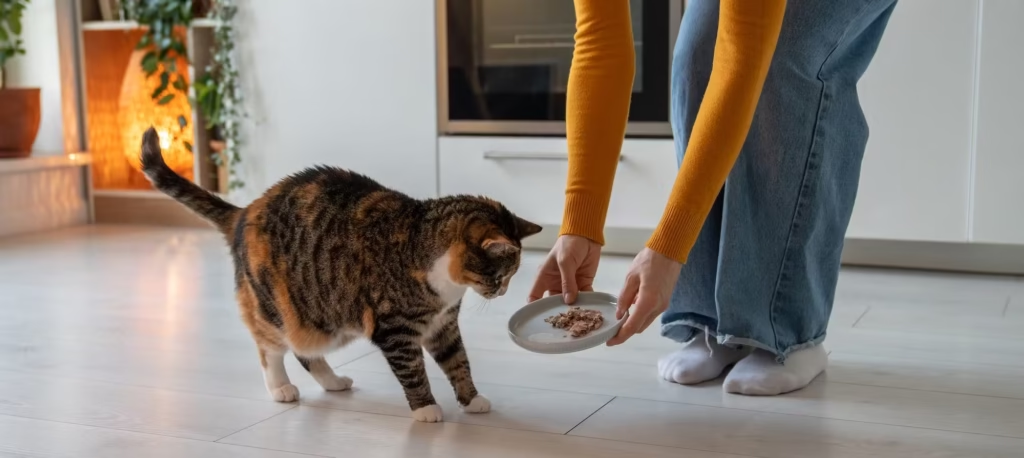
Carrying extra weight puts constant pressure on your cat’s joints, heart, and lungs. It also increases the risk of painful conditions and makes daily activities like jumping onto the sofa or grooming themselves much harder. When you help your cat lose weight slowly and safely, they move better, breathe easier, have more energy for play, and often become more affectionate because they feel more comfortable in their own body. Crash diets or sudden big changes can cause serious health issues, so the key is slow, steady progress — usually 0.5% to 1% of body weight lost per week. This gentle approach keeps muscle mass, prevents hunger stress, and makes the weight stay off long term.
Start with a Simple Home Check
Before changing anything, do a quick check at home. Feel your cat’s ribs and look at them from above. A healthy cat should have a visible waist and you should be able to feel the ribs easily without seeing them clearly. If the waist is gone and the belly hangs down, your cat is overweight. Take a photo from the side and from above today so you can compare every two weeks. Weigh your cat on your bathroom scale (hold them and subtract your own weight) once a week at the same time of day. Write the weight in a small notebook. These simple home checks help you see real progress without needing constant vet visits.
Choosing and Measuring Food at Home
The easiest way to start weight loss is to control portions carefully. Switch to a good-quality “light” or senior cat food that has fewer calories but still plenty of protein so your cat stays full. Measure every meal with a kitchen scale or the exact measuring cup that comes with the food — guessing almost always leads to overfeeding. Divide the daily amount into three or four small meals instead of one or two big ones. This keeps your cat from getting too hungry and begging. If you currently free-feed dry food, stop immediately and switch to measured meals. You can add low-calorie vegetables like a few small pieces of steamed pumpkin, green beans, or carrot to make the meals look bigger without adding many calories. These simple changes at home are often enough to start safe weight loss.
Making Meals More Satisfying
Cats that are used to large portions can feel hungry during weight loss. Help them feel fuller by warming the food slightly (add a little warm water) so the smell is stronger. Use puzzle feeders or scatter the kibble on a plate or in a muffin tin so your cat has to work a little to eat. This slows them down and makes them feel like they ate more. Offer wet food at least once a day because it has more water and is more filling. These easy tricks keep your cat satisfied while they lose weight and prevent them from waking you up at night begging for food.
Increasing Gentle Play and Movement at Home
Exercise is just as important as diet for safe weight loss. Play with your cat two or three times a day for 10–15 minutes each session using a wand toy, laser pointer (always end with a real toy), or crumpled paper balls. Place treats or toys on low shelves or in boxes so your cat has to walk, jump, and explore to get them. Create simple obstacle courses with cardboard boxes or tunnels. For older or very overweight cats, start with very short and gentle sessions so they don’t get discouraged. These daily play moments burn calories, build muscle, and make your cat happier and more active without any extra cost.
Simple Weekly Weight Loss Routine
Follow this easy schedule that fits into normal life:
- Every morning: measure and serve breakfast, then do a short play session.
- Midday: offer a small puzzle feeder or scattered treats.
- Evening: serve dinner and have the longest play session.
- Once a week: weigh your cat, take new photos, and adjust portions if needed.
This routine is simple to remember and keeps everything consistent.
Common Mistakes and Easy Fixes
- Giving too many treats — fix: count all treats as part of the daily calories and use tiny pieces or vegetables instead.
- Changing food too quickly — fix: mix old and new food gradually over 7–10 days.
- Playing too hard at the beginning — fix: start short and gentle so your cat enjoys it.
- Not measuring food — fix: use a scale or exact cup every single time.
Special Tips for Different Cats
Overweight senior cats need extra gentle play and softer food. Kittens rarely need to lose weight, but if they are chubby, focus on more play rather than cutting food. Indoor-only cats usually need the most help with play because they have less natural movement. If you have multiple cats, feed them in separate rooms so the overweight cat doesn’t steal food from others.
When to Talk to Your Vet
If your cat has not lost any weight after two weeks of careful home changes, or if they seem very tired, stop eating, or have vomiting or diarrhea, contact your vet. Some cats have medical reasons for being overweight (thyroid or other issues) that need professional help. Regular vet check-ups every six months are a good idea for any cat on a weight-loss plan.
In conclusion, safely helping your overweight cat lose weight is something you can do successfully at home with simple daily habits. Measuring food carefully, offering smaller meals more often, adding low-calorie fillers, playing gently every day, and tracking progress with weekly weighs and photos are all practical steps that really work. These changes cost almost nothing, fit into normal life, and help your cat feel lighter, more energetic, and more comfortable. Start today by measuring tomorrow’s food and planning one extra short play session. Within a few weeks you will probably see your cat moving more easily, asking for less food, and enjoying life more. Safe weight loss at home is one of the greatest gifts you can give your cat, and it shows how much you care about their long-term happiness and health. With the easy routines in this guide, you can help your cat reach a healthy weight step by step, right in your own house, and enjoy many more active and joyful years together.