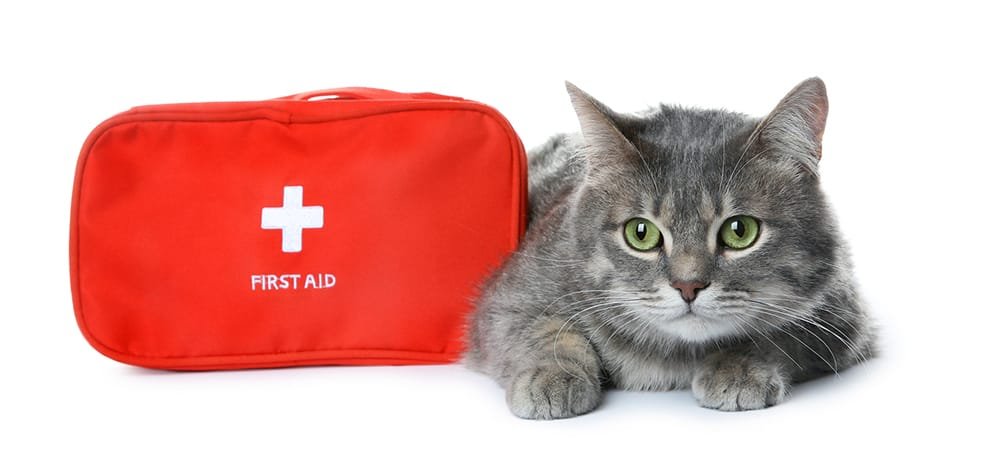
Having a simple first aid kit ready at home is one of the smartest and most practical things you can do as a cat owner. Accidents and sudden health issues can happen at any time — a cut paw from jumping on something sharp, a bee sting in the garden, vomiting after eating something they shouldn’t, or even a small burn from a hot surface. In those first important minutes before you can reach a vet, the right basic supplies and calm actions can make a big difference in keeping your cat comfortable and preventing the problem from getting worse. The good news is that you don’t need expensive or complicated items. Most of what you need can be bought cheaply once and stored in one easy-to-grab box in your house. This practical guide is made for regular cat owners who want clear, step-by-step ideas they can follow at home. You will learn exactly what to keep in your kit, how to use each item safely, how to build and maintain two simple kits (one at home and one for travel), and what to do in the most common emergencies.
Why Every Cat Owner Should Have a First Aid Kit
Cats are curious and quick, so small injuries can happen fast even in a safe home. A good kit helps you act immediately instead of panicking or waiting hours for the vet. It also gives you confidence because you know you have the basic tools ready. Many minor problems — like a small cut, a minor sting, or a nail that got caught and bled — can be handled at home while you arrange a vet visit. Keeping the kit organized and checking it every few months means you will always be prepared without extra stress. The items are cheap, last a long time, and can be used for the whole family if needed.
Building Your Basic Home First Aid Kit
Choose a waterproof plastic box or a small backpack and keep it in an easy-to-reach place like a kitchen cupboard or near the litter box area. Label it clearly so everyone in the house knows where it is. Here are the essential items that every cat owner should have:
Start with cleaning and wound care supplies: several packs of sterile gauze pads in different sizes, a roll of soft self-adhering bandage (the kind that sticks to itself), and non-stick wound pads for paws or larger cuts. Add a bottle of mild antiseptic solution or antiseptic wipes made for pets, plus a bottle of plain saline solution for flushing eyes or wounds. These items let you clean and protect small injuries quickly and safely.
For stopping bleeding and minor injuries, include a small container of styptic powder or a styptic pencil (very useful for torn nails), a pair of blunt-ended scissors for cutting fur or bandages, and a pair of tweezers or a tick remover tool. A digital thermometer with a bit of lubricant is also helpful so you can check your cat’s temperature if they seem unwell (normal is between 38 and 39 °C).
Always have protection and comfort items: disposable gloves, a soft cloth muzzle (in case your cat is in pain and tries to bite), a clean towel, and a lightweight emergency blanket to help prevent shock by keeping your cat warm. A small syringe without a needle is useful for giving oral medicine or flushing wounds gently.
For common health issues, keep a packet of antihistamine tablets (diphenhydramine — your vet can tell you the safe dose for your cat’s weight) for allergic reactions or insect stings, and a tube of plain antibiotic ointment without pain reliever for small cuts. Never use human medicines without checking with your vet first.
Travel or Car Kit
Keep a smaller version of the kit in your car or cat carrier bag for trips or emergencies outside the house. Include the basic gauze, antiseptic wipes, a collapsible water bowl, a small bottle of water, a few treats, and your vet’s phone number plus the address of the nearest 24-hour clinic. Add a spare leash or harness and a clean plastic bag for any mess. This mini-kit is very useful if you ever need to take your cat to the vet in a hurry.
How to Use the Kit in Common Situations
For a small cut or paw injury, gently clean the area with saline or antiseptic wipe, apply a little antibiotic ointment, cover with gauze, and wrap lightly with the self-adhering bandage. Check the paw every few hours and change the dressing daily. If bleeding does not stop after a few minutes of gentle pressure, contact the vet.
For insect stings or allergic reactions, give the correct dose of antihistamine (ask your vet in advance for your cat’s weight) and apply a cool damp cloth to the area. Watch for swelling of the face or difficulty breathing — if you see that, go to the vet immediately.
For minor eye irritation, flush the eye gently with saline solution using the syringe and wipe away any crust with a clean cloth. If the eye looks red or your cat is squinting, see the vet the same day.
For a torn nail that is bleeding, apply styptic powder and press gently for a minute. Keep your cat calm and avoid rough play until it heals.
Always stay calm when using the kit. Speak softly to your cat, offer a treat after handling, and never force anything if they are very scared. The kit is there to help stabilize the situation until you can get professional care.
Simple Maintenance Routine
Check your kit every three months. Replace any used items immediately and throw away anything that has expired. Keep a small laminated card inside the box with your vet’s phone number, the nearest emergency clinic address, and your cat’s weight and age. This makes everything faster in an emergency.
Common Mistakes and Easy Fixes
- Keeping the kit in a hard-to-reach place — fix: store it where you can grab it in seconds.
- Using human medicines without asking the vet — fix: only use pet-safe items and confirm doses with your vet.
- Forgetting to replace used items — fix: make it a habit to check the kit the same day you use anything.
- Panicking and not using the kit at all — fix: practice calmly opening the box and looking at the items once a month so you feel confident.
Special Tips for Kittens, Seniors and Multi-Cat Homes
Kittens and senior cats may need gentler handling, so have extra soft towels and smaller bandages ready. In homes with more than one cat, keep one kit in the main area and make sure everyone knows where it is. These small preparations help you stay ready no matter what happens.
When First Aid Is Not Enough
Use the kit to stabilize your cat, but always call the vet or go to an emergency clinic for serious issues such as heavy bleeding that does not stop, difficulty breathing, collapse, repeated vomiting, seizures, or any injury that looks deep or painful. The kit helps you buy time, but professional care is still essential for many problems.
In conclusion, a well-prepared cat first aid kit is a simple but very powerful tool that every owner can have at home. With basic supplies like gauze, antiseptic, bandages, a thermometer, and a few other cheap items, you can handle many small emergencies calmly and confidently while you arrange proper veterinary care. These kits cost very little to put together, are easy to maintain, and give you peace of mind knowing you can act quickly when your cat needs help. Start today by gathering the items and storing them in one clear box. Within a short time you will feel more prepared and your cat will benefit from your quick, caring response in any small crisis. Having a first aid kit ready is one of the best ways to show your cat how much you care about their safety and well-being. It is a small investment of time and money that can make a big difference in those unexpected moments, helping your cat stay comfortable and healthy right in your own home for many years to come.