Knowing the early warning signs that your cat is not feeling well is one of the most useful skills any cat owner can have. Cats are experts at hiding pain and discomfort, so by the time you notice something obvious, the problem may already be advanced. The good news is that you can learn to spot the 10 most common signs at home with simple daily observation and quick checks. Most of these signs can be noticed during your normal routine — while feeding, playing, grooming or cleaning the litter box. This practical guide is written for regular cat owners who want easy, step-by-step ways to watch their cat’s health every day without needing expensive tools or veterinary knowledge. You will learn exactly what to look for, what the signs might mean, and what simple actions you can take at home before deciding whether to call the vet.
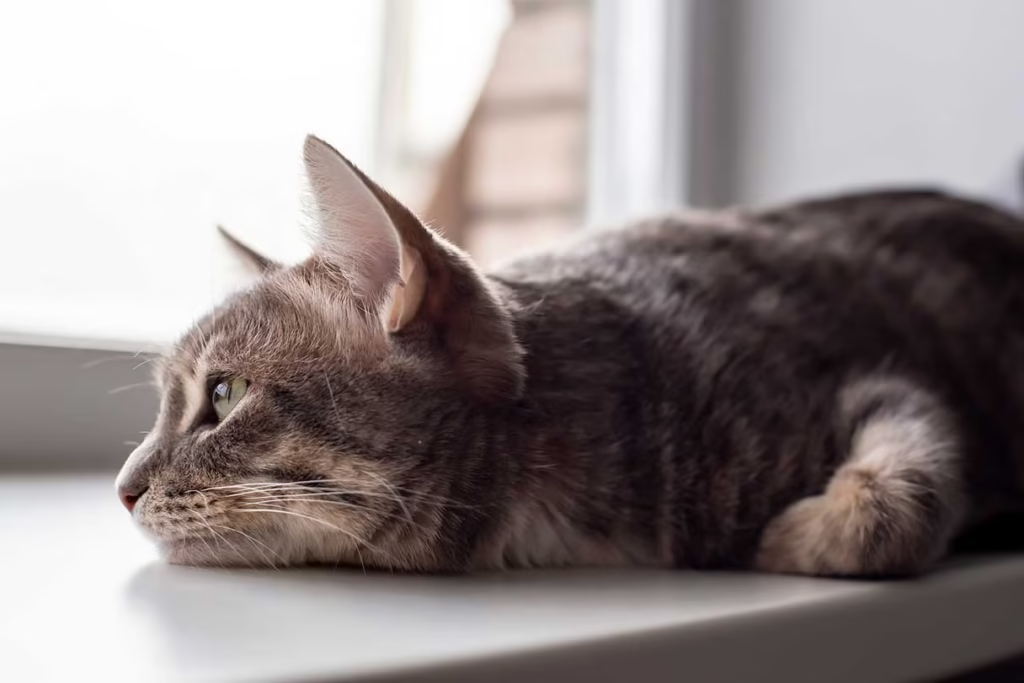
Why Early Detection Matters
Cats hide illness because in nature showing weakness can make them vulnerable. Because of this, small changes in behavior, appetite, litter box habits or energy are often the first clues. Catching problems early can mean simpler treatment, less suffering for your cat, and lower vet bills. The best way to stay on top of your cat’s health is to spend just a few minutes each day observing them and doing quick home checks. These habits become automatic and can literally save your cat’s life.
Here are the 10 most common warning signs and exactly what you can do at home:
1. Lethargy or Sudden Drop in Energy
If your normally active cat suddenly sleeps more than usual, stops playing, or seems tired even after a nap, this is often the first sign something is wrong. It can mean infection, pain, anemia, kidney issues or even heart problems.
What to do at home: Note how much they play and move during the day. Try a short 5-minute play session with a wand toy. If they show no interest for two days in a row, write it down and monitor closely.
2. Loss of Appetite or Change in Eating Habits
A cat that suddenly ignores food, eats much less than normal, or stops eating completely for more than 24 hours needs attention. It can be dental pain, nausea, kidney disease or stress.
What to do at home: Warm the food slightly and offer it in a quiet place. Try a different flavor or add a little tuna water. If they still refuse food after 24 hours, this is a red flag — contact the vet the same day.
3. Vomiting or Diarrhea
Occasional vomiting (once every few weeks) after eating grass or hairballs is usually normal. But repeated vomiting, vomiting with blood, or diarrhea that lasts more than 48 hours is not.
What to do at home: Withhold food for 8–12 hours (but keep water available) and then offer small amounts of bland food (boiled chicken and rice). Clean the litter box extra well and note the color and frequency. If it continues, see the vet.
4. Coughing, Wheezing or Difficulty Breathing
Persistent coughing, fast breathing at rest, or open-mouth breathing is serious. It can be asthma, heart disease, or a respiratory infection.
What to do at home: Count their breathing rate while they are resting (normal is 15–30 breaths per minute). Record a short video of the coughing to show the vet. Keep the air clean — no smoking or strong scents near your cat.
5. Limping, Stiffness or Mobility Changes
If your cat starts limping, has trouble jumping onto the sofa, or walks more slowly, it can be arthritis, injury or nerve problems.
What to do at home: Place low steps or ramps near favorite spots. Watch how they move when going up or down. Add soft bedding on the floor so they don’t have to jump as much. Note if the limping gets better or worse after rest.
6. Excessive Thirst or Urination
Drinking much more water than usual or needing the litter box far more often (especially if they start having accidents) can indicate kidney disease or diabetes.
What to do at home: Count how many times you refill the water bowl each day. Note any increase in litter box use. Make sure fresh water is always available in multiple places.
7. Sudden Weight Loss or Unexplained Weight Gain
Losing weight while still eating normally or gaining weight rapidly without diet change are both warning signs.
What to do at home: Feel your cat’s ribs and waist once a week. Take a photo from above every two weeks so you can compare. If you notice a clear change, start measuring food portions more carefully.
8. Skin, Coat or Itching Changes
Excessive scratching, bald patches, redness, dandruff, or a dull coat can mean allergies, fleas, mites or skin infection.
What to do at home: Brush your cat daily with a flea comb on a white towel and look for black specks. Check for small red spots or scabs. Keep the house vacuumed and bedding clean.
9. Bad Breath, Drooling or Difficulty Eating
Very strong bad breath, drooling, or eating only on one side of the mouth usually means dental disease or oral pain.
What to do at home: Gently lift the lips once a week and look at the teeth and gums. Offer soft food if they seem to struggle with hard kibble. Note if the breath smell gets worse.
10. Behavioral or Neurological Changes
Sudden aggression, confusion, hiding more than usual, staring at walls, circling, or seizures are serious neurological signs.
What to do at home: Note exactly when the change started and any possible triggers (new furniture, loud noises, etc.). Keep the environment calm and quiet until you can see the vet.
Simple Daily Observation Routine You Can Follow
Spend just 2–3 minutes every day doing this quick check:
- Watch how they move and play
- Check if they ate and drank normally
- Look at the litter box after they use it
- Run your hands over their body while petting them
- Note any changes in a small notebook or phone notes
This routine becomes automatic and helps you catch problems very early.

Weekly Home Health Checklist
- Sunday: Full body check with flea comb
- Note weight (feel ribs and look for waist)
- Check gums and teeth
- Observe breathing while resting
- Clean all bedding
Common Mistakes and Easy Fixes
- Waiting to see if it gets better by itself — fix: write down the sign and monitor for 24–48 hours.
- Assuming “it’s just old age” — fix: many signs have simple solutions when caught early.
- Punishing accidents — fix: clean with enzymatic cleaner and check for health issues.
When to Call the Vet Immediately
Go to the vet or emergency clinic the same day if you see any of these:
- Not eating for 24 hours
- Repeated vomiting or diarrhea with blood
- Difficulty breathing or open-mouth breathing
- Collapse, seizure or inability to stand
- Severe pain (hiding, crying, not wanting to be touched)
In conclusion, learning these 10 warning signs and doing simple daily and weekly checks at home is one of the best ways to keep your cat healthy. You don’t need medical training — just regular observation, a small notebook, and the habit of brushing and checking your cat. These easy routines cost nothing extra and take only a few minutes a day, but they can prevent suffering and catch problems early. Start today by picking one sign (for example, checking the litter box more carefully) and adding the quick daily observation. Within a short time you will know your cat’s normal behavior so well that any change will stand out immediately. Being an attentive owner who notices small changes is one of the greatest gifts you can give your cat. Your cat cannot tell you when something hurts, so your eyes and daily checks become their voice. With the practical tips in this guide, you can confidently watch over your cat’s health right from your own home and enjoy many more happy, healthy years together.