
Rabbits are among the most fascinating and beloved animals in the world. Known for their soft fur, long ears, quick movements, and gentle appearance, these mammals have captured human attention for centuries. Belonging to the family Leporidae, rabbits are found in many parts of the world and are admired both as wild animals and as domestic companions. Their unique biological characteristics, remarkable survival instincts, and important ecological role make them highly interesting subjects of study.
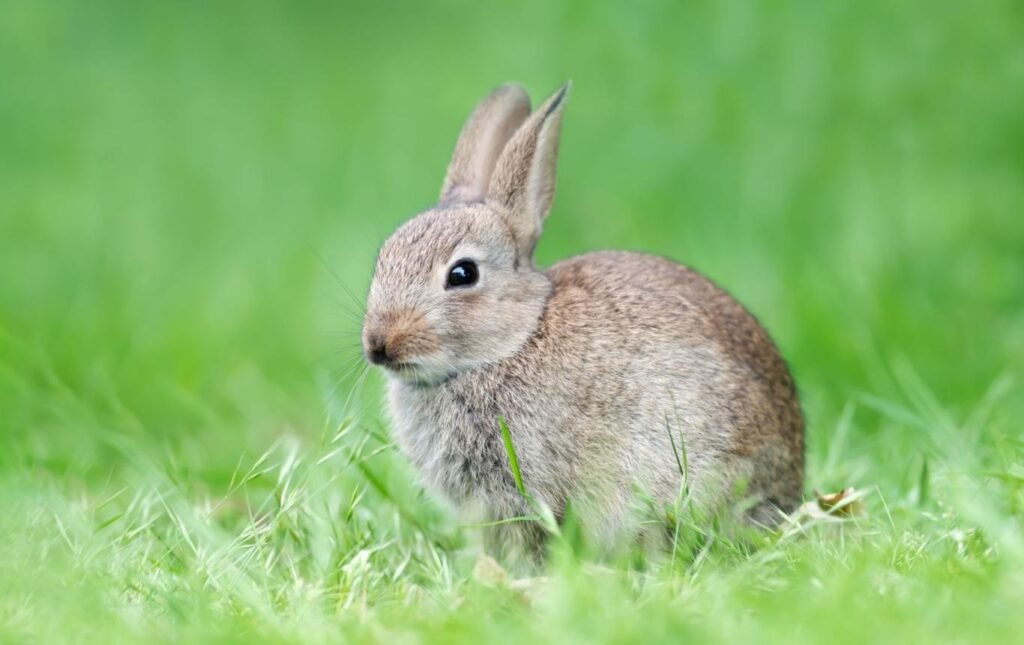


Rabbits are small to medium-sized mammals characterized by their compact bodies, powerful hind legs, large eyes, and distinctive long ears. Their body structure is highly adapted for speed and agility, which are essential traits for escaping predators in the wild. Their hind legs are especially muscular, allowing them to jump long distances and run quickly when threatened.
One of the most striking physical features of rabbits is their ears. These long ears are not only important for hearing but also play a crucial role in temperature regulation. Rabbits can move their ears independently, helping them detect sounds from different directions. In addition, blood vessels in the ears help release body heat, which is especially important in warm environments.
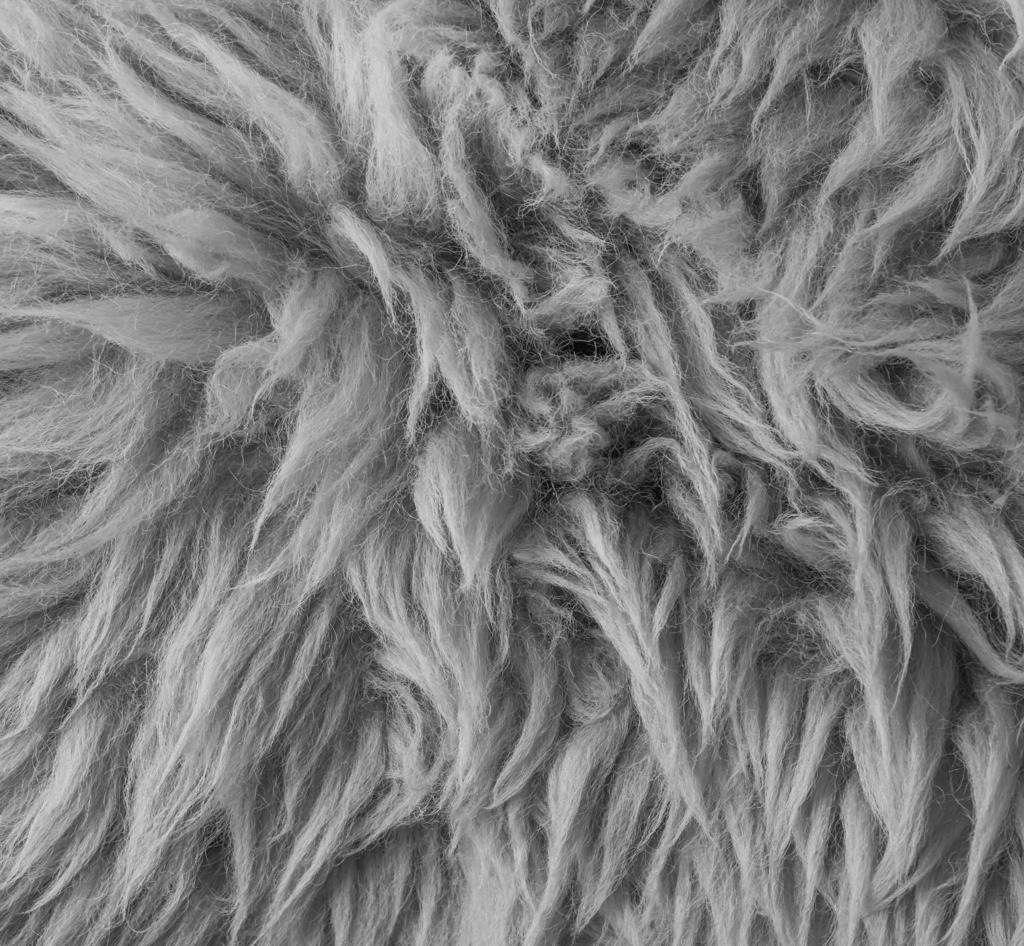
Their fur is another remarkable characteristic. Depending on the species or breed, rabbit fur may vary in length, density, and color. Wild rabbits often display earthy tones such as brown, gray, or beige, which help them blend into their surroundings. Domestic rabbits, however, may come in a wide variety of colors, including white, black, orange, and spotted patterns.


From an ecological perspective, rabbits are extremely important animals. They play a central role in many ecosystems as both herbivores and prey animals. Their diet consists mainly of grasses, leaves, roots, vegetables, and other plant material. By feeding on vegetation, rabbits influence plant growth patterns and contribute to the balance of natural habitats.
At the same time, rabbits serve as an essential food source for many predators, including foxes, birds of prey, snakes, and wild cats. Because of this, they are a key component of the food chain in various environments.
Rabbits are also known for their burrowing behavior. Many wild species live in underground tunnel systems called warrens. These burrows provide protection from predators, shelter from harsh weather, and safe spaces for raising their young.



Socially, rabbits can be very interactive animals. In the wild, many species live in groups, which increases their chances of survival by improving predator detection and providing social interaction. Domestic rabbits are also known to develop strong bonds with humans and other rabbits.
Behaviorally, rabbits are often described as alert and cautious animals. Their large eyes, positioned on the sides of the head, give them a wide field of vision, helping them detect approaching danger. This adaptation is crucial for survival.
Another interesting feature is their teeth. Rabbit teeth grow continuously throughout their lives. Because of this, they need to constantly chew on food and natural materials to wear them down and prevent overgrowth.
Their digestive system is highly specialized for processing plant material. Rabbits are hindgut fermenters, meaning they digest fibrous food through bacterial fermentation in the cecum. This allows them to extract nutrients efficiently from grasses and leaves.
One of the most fascinating aspects of rabbits is their reproductive capacity. They are known for reproducing quickly and having multiple litters per year. This high reproductive rate is one of the reasons rabbits are often associated with fertility and abundance.


Baby rabbits, called kits, are usually born in nests lined with fur and grass. They are initially blind and hairless, relying entirely on the mother for warmth and nourishment during the first days of life.
Domestically, rabbits have become popular pets around the world. They are appreciated for their calm nature, intelligence, and affectionate behavior. Many breeds have been selectively developed for companionship, resulting in rabbits with unique appearances and temperaments.
Examples include the Holland Lop, Netherland Dwarf, and Angora rabbit, each with distinct physical features.

From a scientific perspective, rabbits are also important in biological and veterinary studies. Their physiology, reproduction, and behavior have made them valuable subjects for research.
Culturally, rabbits appear in myths, stories, and symbols across different societies. They are often associated with luck, intelligence, gentleness, and springtime renewal.
In conclusion, rabbits are extraordinary animals that combine physical beauty, ecological importance, and fascinating biological adaptations. Whether in the wild or as companions in human homes, they continue to be admired for their unique qualities and essential role in nature.
1. A rabbit’s teeth never stop growing
One of the most important things every rabbit owner needs to know is that a rabbit’s teeth grow continuously throughout its entire life.
This means rabbits need to chew constantly in order to wear their teeth down naturally. Hay, pet-safe sticks, and wooden chew toys are essential.
If the teeth grow too much, they can cause pain, difficulty eating, and even injuries inside the mouth.


2. Hay is more important than pellets
Many people think pellets are the main food for rabbits, but this is not true.
The most important food is hay, which should make up the majority of their diet.
Hay helps with digestion, tooth wear, and intestinal health.
3. Rabbits should never go long without eating
Rabbits have a very sensitive digestive system.
If they go many hours without food, they may develop gastrointestinal stasis, a serious condition that can be fatal.
For this reason, they need to have food available almost all the time.



4. They show affection in different ways
Rabbits are very affectionate animals, but they show love differently from dogs and cats.
They may:
- rest their head against you
- lick your hand
- follow you around the house
- lie down near you
These are clear signs of trust.
5. Jumping and running means happiness
When a rabbit makes small jumps in the air and twists its body, this behavior is called a binky.
This is one of the biggest signs of happiness.


6. They are very sensitive to heat
Rabbits suffer a lot in high temperatures.
Because of their dense fur, they can become sick very easily in hot weather.
The ideal environment is cool, well-ventilated, and never under direct sunlight.
7. Not all rabbits like being held
This is a very important fact for owners.
Many rabbits do not like being picked up, because it may remind them of predators.
They usually prefer being petted while staying on the floor, in their own space.
8. They need space to exercise
Rabbits should not stay confined all day in small cages.
They need daily time to run, jump, and explore their environment.



9. They produce special droppings that they eat
This may sound strange, but it is completely normal.
Rabbits produce a special type of droppings called cecotropes, which they eat again in order to absorb important nutrients.
This is a natural part of their digestive process.
10. They live longer than many people think
With proper care, a domestic rabbit can live between 8 and 12 years, sometimes even longer.
Because of this, owning a rabbit is a long-term commitment.