Ferrets are among the most fascinating small mammals in the world. Known for their long, slender bodies, playful personalities, and high intelligence, these animals have become increasingly popular as both research subjects and domestic pets. Their curious nature, social behavior, and unique physical adaptations make them one of the most interesting members of the mammalian world.


7
Ferrets belong to the species Mustela furo, which is part of the Mustelidae family. This family also includes animals such as weasels, otters, badgers, and minks. Ferrets are believed to have been domesticated more than 2,000 years ago, primarily for hunting rodents and rabbits. Their long bodies and natural hunting instincts made them extremely useful for entering burrows and tunnels.
Physically, ferrets are small carnivorous mammals with elongated bodies, short legs, and flexible spines. Their body structure allows them to move quickly through narrow spaces, which historically made them excellent hunters. Adult ferrets typically weigh between 0.7 and 2 kilograms, depending on sex, genetics, and diet.
One of the most distinctive physical features of ferrets is their body shape. Their long torso combined with short, muscular limbs gives them remarkable agility. This body structure allows them to twist, jump, squeeze through tiny openings, and move with extraordinary speed.



5
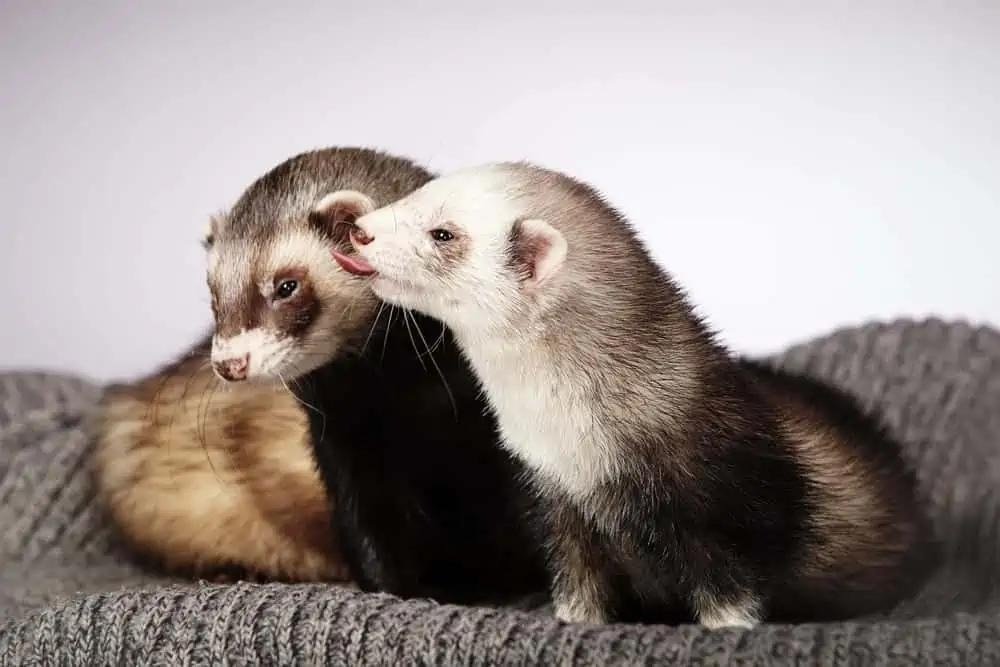
Their fur can vary in color and pattern. Common colors include sable, white, cream, black, silver, and cinnamon. Some ferrets also have mask-like facial markings, which add to their distinctive appearance.
Ferrets possess sharp teeth and strong jaws, reflecting their carnivorous nature. Their diet is primarily based on animal protein and fat, and they require food specifically formulated for obligate carnivores.
From a behavioral perspective, ferrets are highly intelligent and curious animals. They are known for constantly exploring their surroundings, investigating objects, and interacting with their environment. This natural curiosity is one of the reasons they are considered highly entertaining pets.
One of the most famous behaviors observed in ferrets is the “weasel war dance.” This is a playful movement in which the ferret jumps sideways, arches its back, and bounces around excitedly. This behavior is often a sign of happiness and playfulness.

7
Ferrets are also highly social animals. In domestic settings, they often develop strong bonds with humans and other ferrets. They enjoy interaction, playtime, and mental stimulation.
Because of their intelligence, ferrets require environmental enrichment. Toys, tunnels, climbing spaces, and interactive play are essential for their mental and physical health.
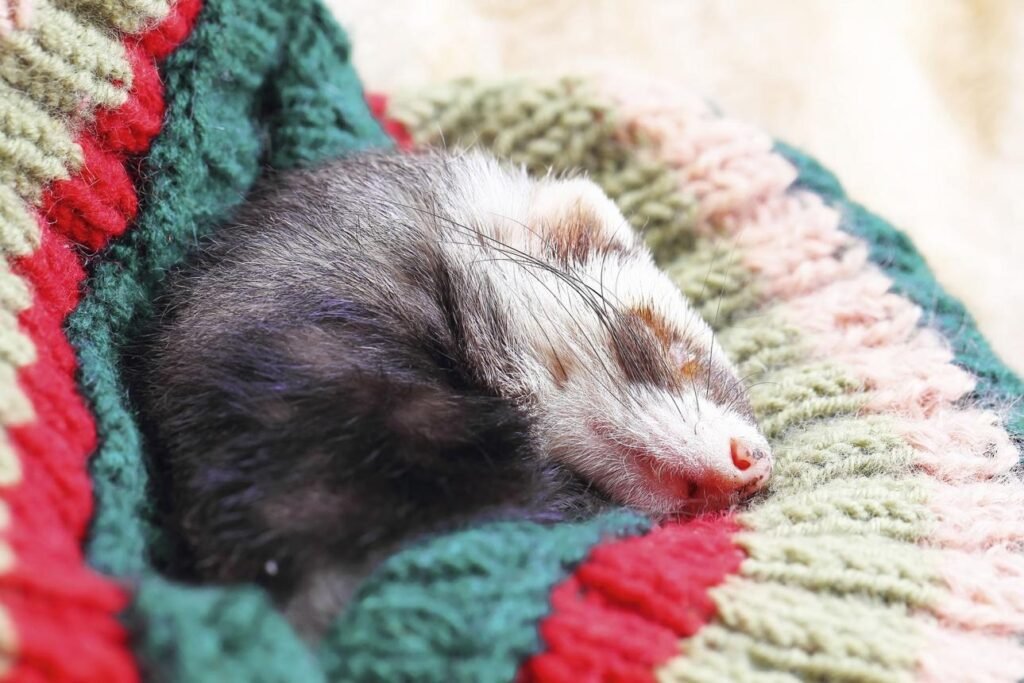
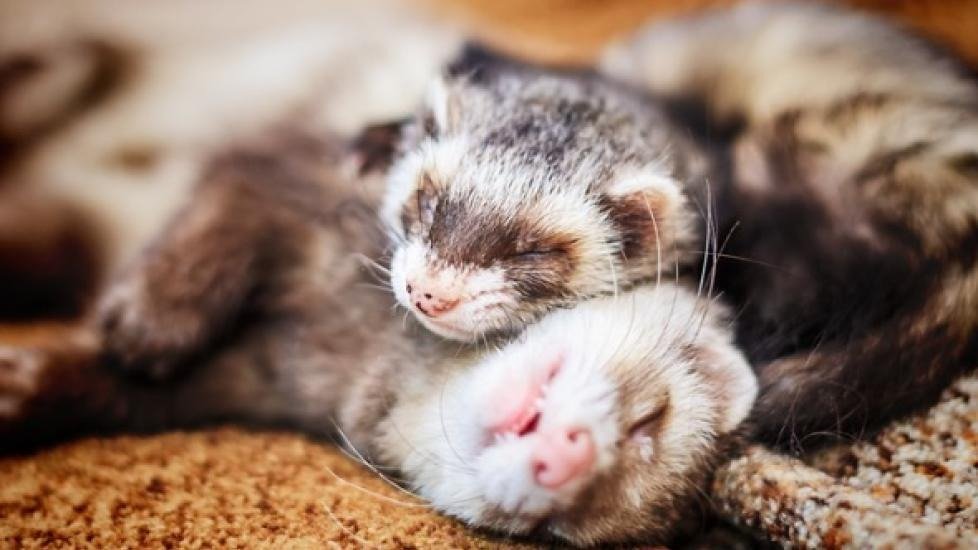
Another important characteristic is their sleeping pattern. Ferrets are known for sleeping long hours, often between 14 and 18 hours per day. Despite this, when awake, they are extremely energetic and active.
Their sleep cycles are typically divided into periods of deep sleep and bursts of intense activity.

7
From a sensory perspective, ferrets have a highly developed sense of smell and hearing. Their eyesight is relatively less developed compared to these senses, but still functional for close-range navigation.
Ferrets communicate through body language, scent marking, and vocalizations. They may make soft chirping, hissing, or playful clucking sounds depending on mood and situation.
A unique biological feature of ferrets is their flexible spine. This allows them to bend, twist, and move in ways that many mammals cannot.
Historically, ferrets have been used in hunting practices known as ferreting, where they were sent into rabbit burrows to flush prey out.
In modern times, however, ferrets are most commonly kept as companion animals.


8
Health-wise, ferrets require specialized veterinary care. Common concerns include adrenal disease, insulinoma, dental issues, and gastrointestinal blockages.
Because of their tendency to chew and swallow objects, owners must ensure that their environment is safe and free from small items.
Diet is another extremely important factor. Ferrets require a protein-rich diet with minimal carbohydrates. Their digestive system is short and processes food quickly.
This means they often eat multiple small meals throughout the day.
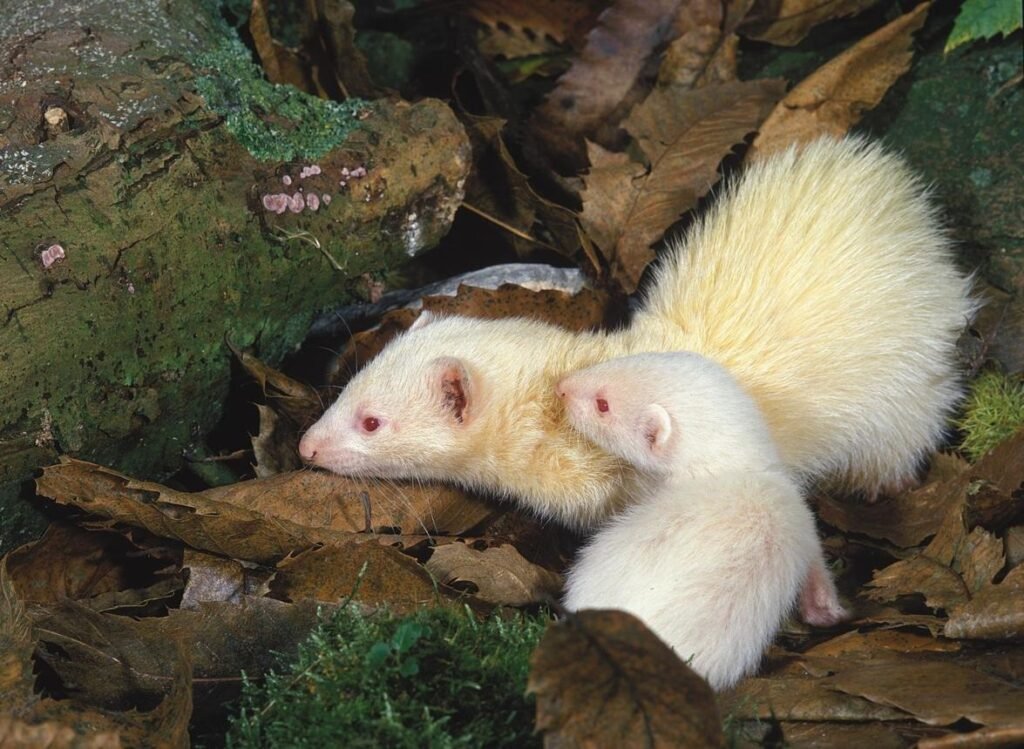
Reproductively, ferrets are mammals that give birth to live young. Baby ferrets are called kits.
Kits are born blind, deaf, and highly dependent on the mother during the early weeks of life.

6
From a scientific perspective, ferrets have also been widely used in medical and biological research, particularly in studies involving respiratory systems and viral diseases, due to certain physiological similarities with humans.
Culturally, ferrets are often associated with intelligence, curiosity, and playful mischief.
In conclusion, ferrets are extraordinary animals that combine intelligence, agility, social behavior, and unique physical adaptations. Whether studied scientifically or kept as companions, they remain among the most captivating small mammals in the world.
10 Fascinating Facts About Ferrets
1. Ferrets sleep a lot
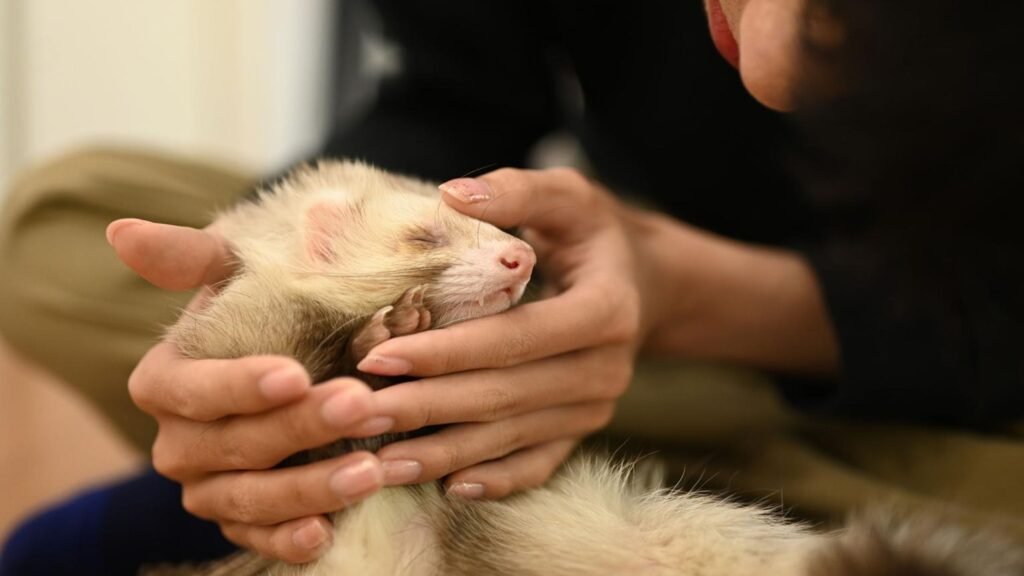
One of the most surprising things about ferrets is how much they sleep. Ferrets can sleep 14 to 18 hours a day, and sometimes even more. They are known for entering very deep sleep, which can sometimes make owners think something is wrong. However, once they wake up, they become extremely energetic and playful.

7
2. They perform a funny “war dance”
Ferrets often do something called the weasel war dance. This is when they jump sideways, arch their backs, puff up, and bounce around excitedly. It may look strange, but it usually means they are happy and playful.
3. They are extremely curious
Ferrets love exploring everything around them. They will investigate drawers, bags, shoes, blankets, and small spaces. Because of this, owners need to “ferret-proof” the home, just like baby-proofing.

6
4. Their bodies are incredibly flexible
Ferrets have long bodies and very flexible spines. This allows them to twist, squeeze into tiny spaces, and move quickly through tunnels and narrow openings.
5. They are carnivores
Many people do not realize that ferrets are obligate carnivores, which means they need a diet rich in animal protein and fat. They should not eat sugary or high-carbohydrate foods.
6. They love tunnels
Because their ancestors were used for hunting rabbits in burrows, ferrets naturally love tunnels, tubes, and enclosed spaces.


5
7. They can recognize their owners
Ferrets are intelligent enough to recognize familiar people by smell, voice, and routine. Many develop strong bonds with their owners.
8. They hide objects
Ferrets are famous for stealing and hiding small objects such as socks, keys, toys, and even remote controls.
9. They communicate with sounds
Ferrets make different sounds depending on their mood, including chirping, hissing, and playful noises.
10. They are very social
Ferrets usually enjoy companionship, either from humans or other ferrets, and often become lonely without enough interaction.