Geckos are small reptiles belonging to the infraorder Gekkota, one of the most diverse and fascinating groups among lizards. These animals are distributed throughout almost all warm regions of the planet, being found in tropical areas, subtropical regions, deserts, forests, coastal zones, and even urban environments. Their incredible ability to adapt has allowed them to occupy extremely varied ecological niches, ranging from trees in tropical forests to the interior walls of houses.

6
Currently, it is estimated that there are more than 1,500 described species of geckos worldwide, making this group one of the richest in biodiversity among reptiles. They vary greatly in size, shape, color, and behavior. Some species are only a few centimeters long, while others, such as the tokay gecko, can exceed 30 centimeters in length.
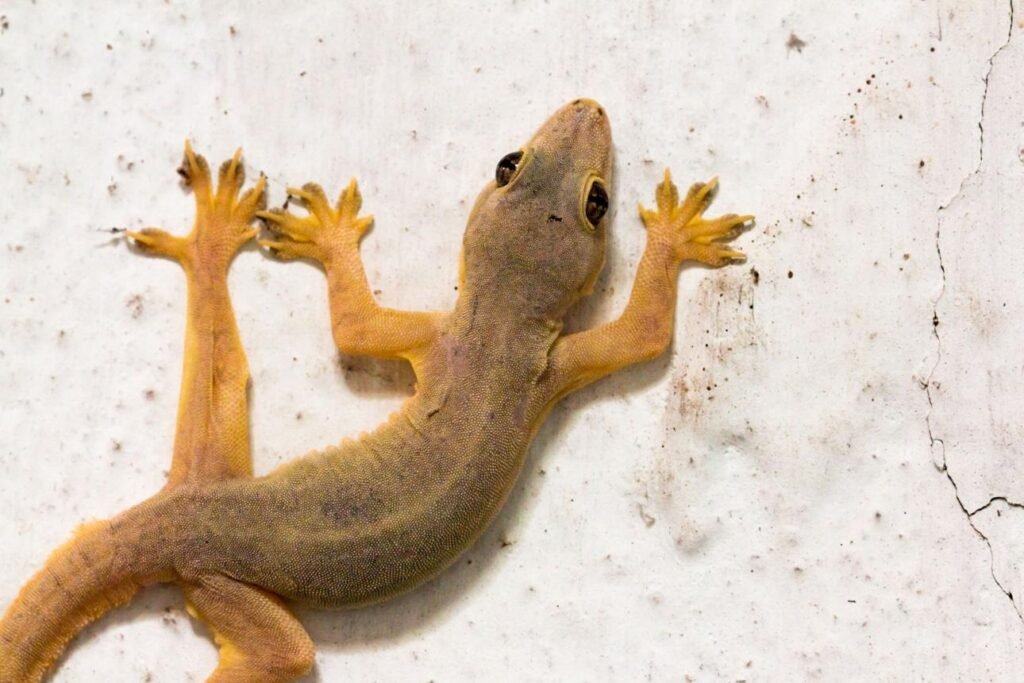
The body of a gecko is generally light, elongated, and highly adapted for movement on vertical surfaces. Their limbs are relatively short but extremely efficient, and their toes possess specialized structures that allow remarkable adhesion. This characteristic is one of the factors that most attracts scientific interest.
In addition, geckos have large and highly developed eyes, especially in nocturnal species. Since most of them are active at night, they have developed highly efficient visual systems to capture light in dark environments.
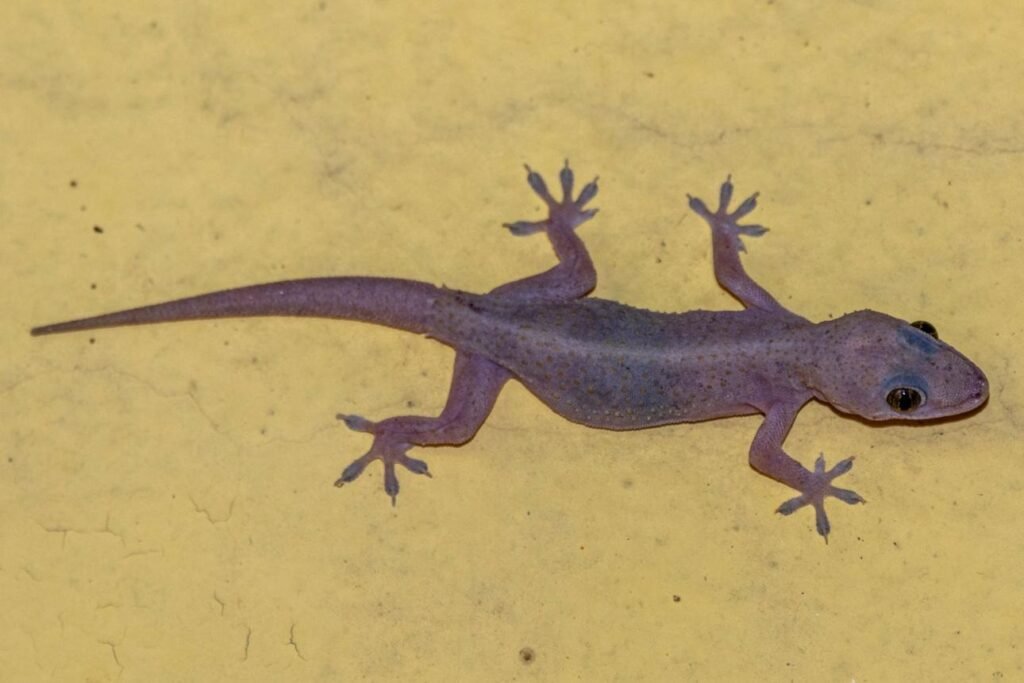
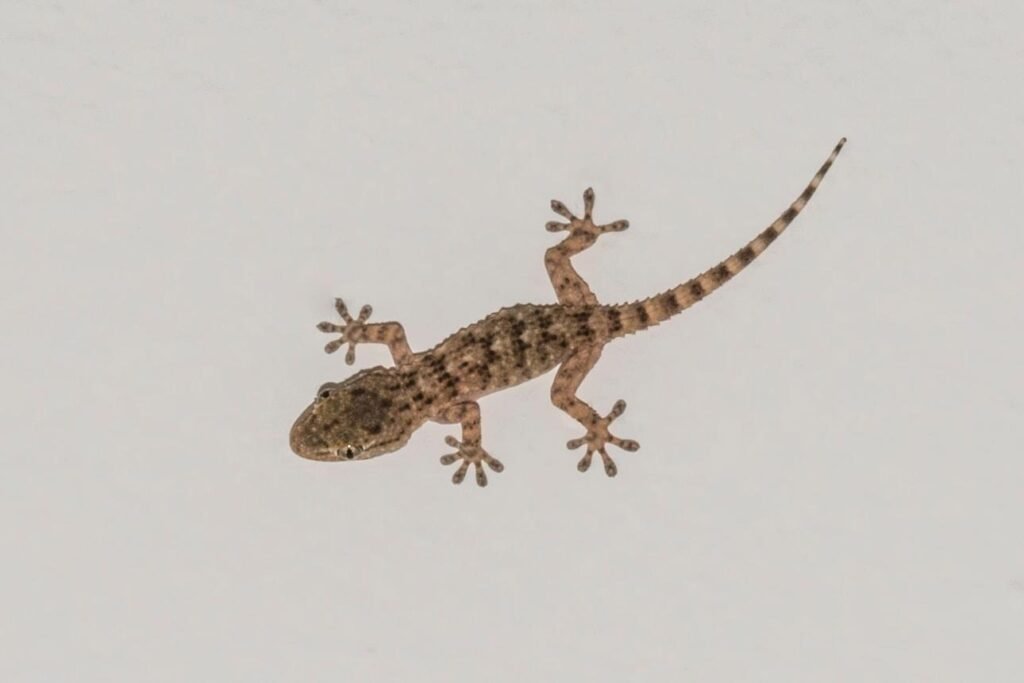
A very interesting aspect is their proximity to human environments. In many regions of Brazil, it is common to observe small house geckos on walls, which belong to this group. They play an extremely useful role in insect control, feeding on mosquitoes, gnats, small cockroaches, moths, and spiders.

6
From an ecological point of view, geckos are important predators in various ecosystems. Their diet is predominantly insectivorous, although some species also consume small arthropods, fruits, and nectar. On the other hand, they also serve as food for birds, snakes, and small mammals, integrating into the food chain.
Another fascinating factor is their adaptive resilience. Some species live in extremely dry deserts, while others inhabit humid forests and mountainous regions. This versatility demonstrates great evolutionary success.
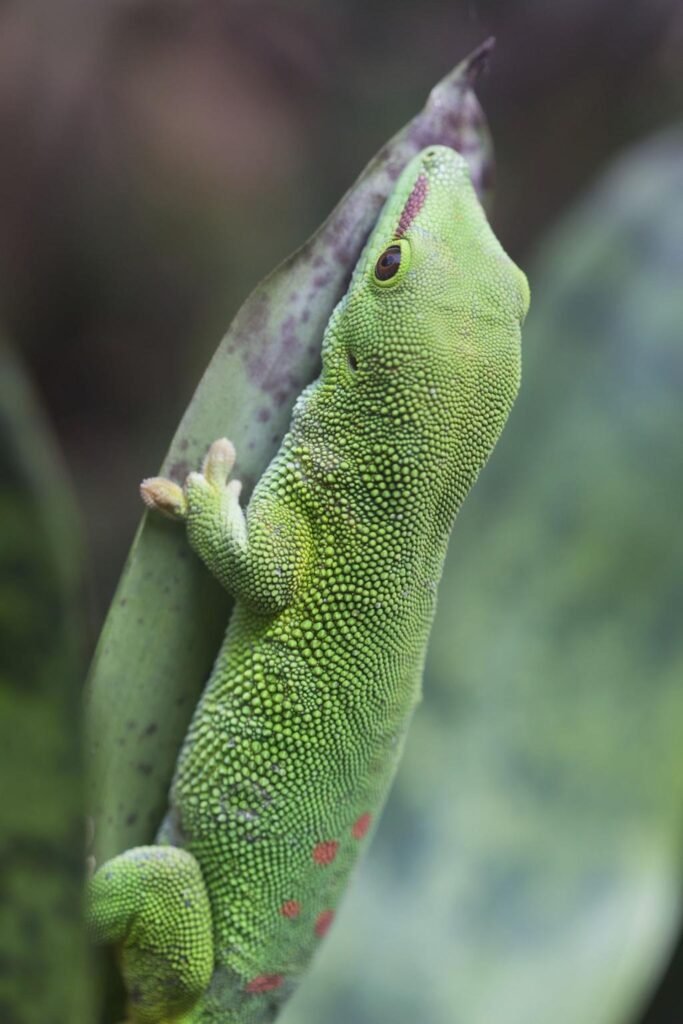
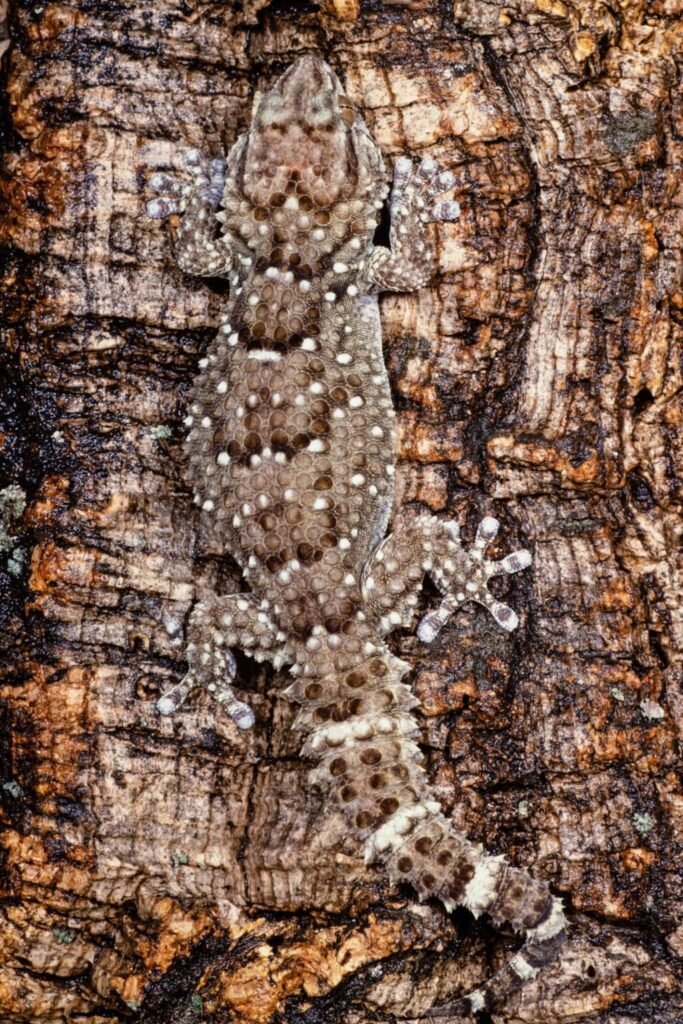
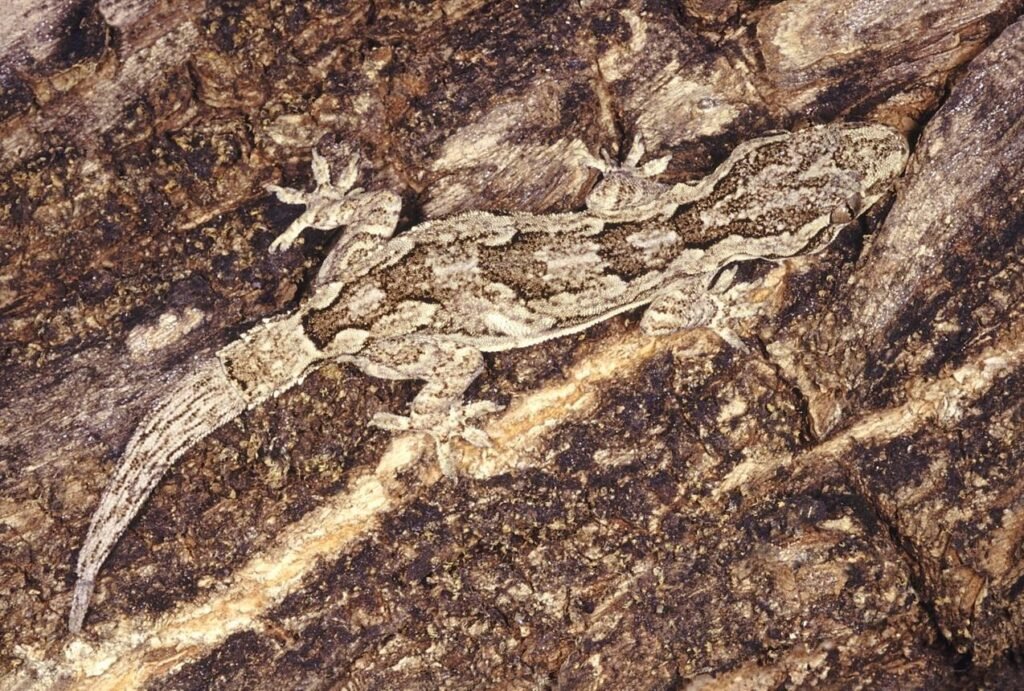
Morphologically, the skin of geckos has thin and delicate scales, often with patterns that favor camouflage. Depending on the species, they may display vibrant colors, earthy tones, or patterns resembling leaves, tree bark, and stones.

6
In terms of behavior, they are generally discreet, fast, and cautious animals. They move with impressive agility, using not only muscular strength but also the microscopic adhesion of their toes.
Another important point is communication. Unlike many lizards, several gecko species produce sounds. These sounds may be used for territorial defense, mating, or warning signals in the presence of threats.
Reproduction is also quite interesting. Many species lay small eggs with relatively hard shells, usually in protected places such as cracks, hollow trunks, or under rocks. In some species, the female lays only one or two eggs per clutch.
The development of the hatchlings is relatively fast, and from birth they already display considerable independence.
From a scientific perspective, geckos are extensively studied, especially in the field of biomimetics. The adhesive structure of their toes has inspired research in robotics, smart materials, and reusable adhesive surfaces.
Because of all these characteristics, geckos are considered one of the most fascinating groups of reptiles on the planet, combining extraordinary anatomical, physiological, and behavioral adaptations.
Curiosity 1: They can walk on walls and ceilings
The most impressive ability of geckos is their capacity to adhere to vertical and inverted surfaces. This occurs due to the presence of millions of microscopic structures on their toes, called setae. Each seta divides into even smaller structures called spatulae, which generate intermolecular adhesion forces known as van der Waals forces.
This adaptation is so efficient that it has inspired the development of biomimetic technologies, such as adhesive gloves and advanced fastening materials.
Curiosity 2: They have extraordinary night vision
Geckos are mainly nocturnal animals, and their vision is adapted to low-light environments. Their large eyes have vertical pupils, similar to those of cats, allowing excellent light capture.
Some studies show that certain species can distinguish colors even at night, something extremely rare among vertebrates.
Curiosity 3: Unlike many lizards, they make sounds
Unlike most lizards, geckos are known for producing sounds. Some species emit clicks, snaps, whistles, and very characteristic vocal sounds.
The tokay gecko, for example, gets its name precisely from the sound it makes, similar to “to-kay.”
These sounds are used for territorial defense, reproductive communication, and warning signals.
Curiosity 4: They can drop their tails
When threatened by predators, many geckos use a strategy called caudal autotomy, which consists of voluntarily dropping their own tail.
The tail continues moving on the ground for a few seconds or minutes, distracting the predator while the gecko escapes.
Curiosity 5: The tail grows back
One of the most impressive characteristics is that the tail can regenerate. After some time, the gecko develops a new tail.
However, the new structure usually has a different texture and shape from the original.
Curiosity 6: There are transparent species
Some geckos have thin and semi-transparent skin, especially in the abdominal region. In certain species, it is possible to observe internal structures such as blood vessels and organs.
This is particularly common in small species from tropical environments.
Curiosity 7: They are excellent masters of camouflage
Several species have developed extraordinary camouflage abilities. Some resemble dry leaves, tree bark, or stones.
The leaf-tailed gecko from Madagascar is one of the best examples.
Curiosity 8: They change color
Although they are not as famous as chameleons, some geckos can alter the intensity of their colors.
This change may occur due to temperature, lighting, emotional state, or the need for camouflage.
Curiosity 9: They can live for many years
In captivity, species such as the leopard gecko can live between 15 and 20 years, making them very popular pets.
This longevity is considerable for such a small reptile.
Curiosity 10: They are extremely important for ecological balance
Geckos act as natural predators of insects, directly contributing to ecosystem balance.
In urban areas, they help control mosquitoes and other arthropods.
In addition, they also serve as food for birds, snakes, and mammals, actively participating in the food chain.