Traveling with your indoor pet can be a wonderful experience that creates lasting memories and strengthens the bond you share, but it also requires careful planning so your pet stays safe, calm, and comfortable throughout the journey. Whether you are going on a weekend road trip, flying to visit family, or staying in a hotel, bringing your dog, cat, rabbit, hamster, guinea pig, bird, or any other small indoor pet along is often better than leaving them behind. However, travel introduces new stresses such as motion, unfamiliar environments, changes in routine, and strict rules for planes and hotels. Poor preparation can turn a fun trip into a stressful or even dangerous situation for your pet. The good news is that you can make travel smooth and enjoyable with simple, practical steps you can do at home using items you already have or can buy cheaply. This practical guide is made for regular pet owners who want clear, step-by-step ideas they can start using today, no matter what type of indoor pet they have.
General Preparation Before Any Trip
Start planning at least 4 to 6 weeks in advance so everything feels organized. Schedule a vet visit for a full health check, updated vaccinations, and any required travel certificates or health papers. Make sure your pet’s microchip is registered with your current phone number and destination address. Keep copies of all medical records, vaccination certificates, and a recent photo in a waterproof folder. Acclimate your pet to the carrier, crate, or travel harness weeks before departure by feeding meals inside it and practicing short car rides. Pack a dedicated travel bag with familiar bedding or blanket, favorite toys, long-lasting chews or treats, enough food for the entire trip plus extra, collapsible bowls, waste bags, paw wipes, any regular medications, a small first-aid kit, and a portable water bottle. Consider a calming aid such as a pheromone spray or diffuser if your pet tends to get nervous. These early preparations remove most last-minute stress and help your pet feel more secure from the beginning.
Traveling by Car – The Most Common and Flexible Option
Car travel is usually the easiest and safest way to bring your indoor pet along. Use a crash-tested harness, crate, or barrier so your pet cannot become a projectile in an accident — never let them sit on your lap or roam free inside the vehicle. Plan your route with frequent stops every 2 to 3 hours for potty breaks, water, and short walks or exercise in a safe area. Use pet-friendly apps to find rest stops that allow animals. Never leave your pet alone in a parked car, even for a minute, because temperatures can rise or drop dangerously fast. Prevent motion sickness by feeding a light meal 3 to 4 hours before departure and using a car seat or elevated crate so they can see out the window. Keep the car cool in summer and warm in winter with window shades, a fan, or heater as needed. Bring a portable fan, cooling mat, or heated pad depending on the season. For long road trips, try to maintain the same feeding and potty schedule as much as possible so your pet feels the routine is familiar.
Traveling by Plane – What You Need to Know
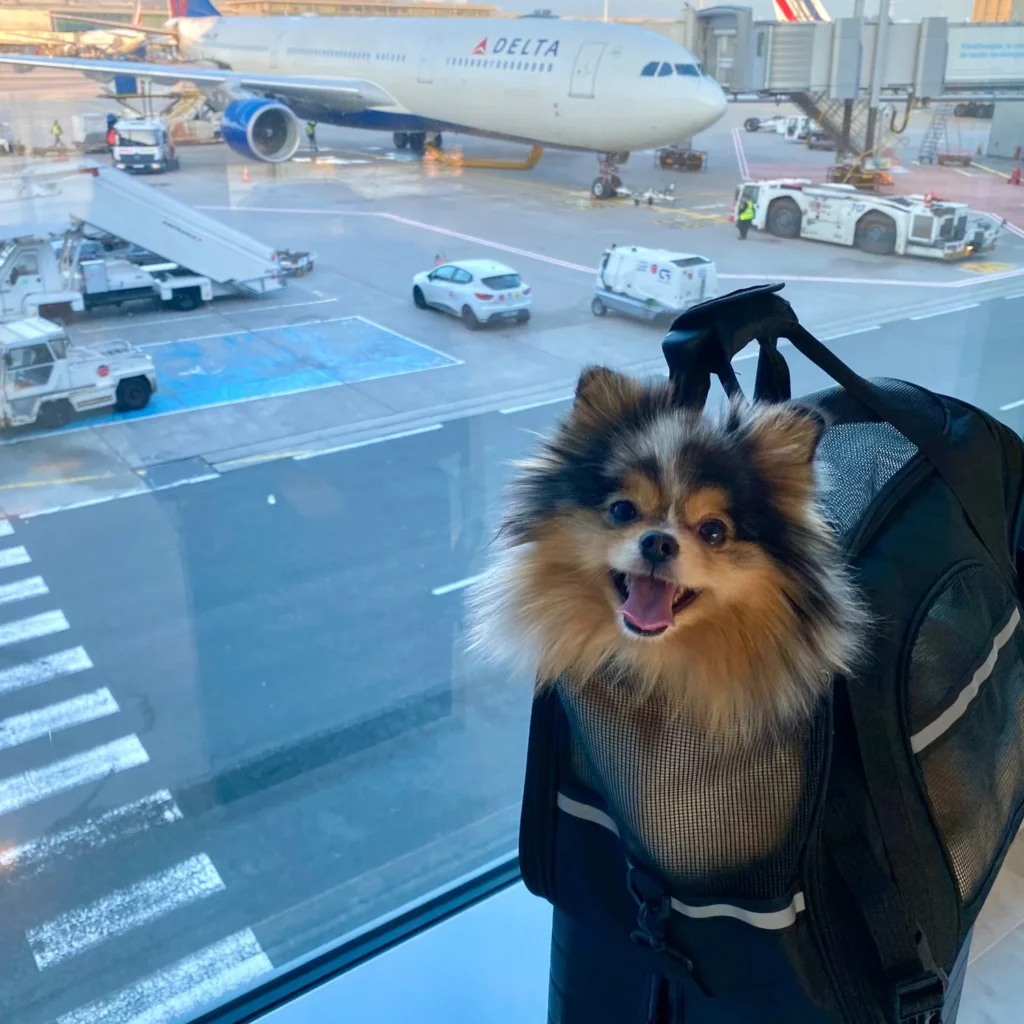
Air travel requires extra planning because airlines have strict rules that change often. Research airline policies early: some allow small pets in the cabin (maximum weight usually 8–10 kg including carrier), while larger pets must fly in the cargo hold. Book a direct flight whenever possible to reduce layovers and stress. Choose a hard-sided or soft-sided carrier that meets IATA standards and is big enough for your pet to stand up, turn around, and lie down comfortably. Label it clearly with your contact information and “LIVE ANIMAL” stickers. Acclimate your pet to the carrier for weeks before the trip by feeding meals inside and practicing short car rides. On flight day, exercise your pet well before check-in and give them a final potty break right before security. For cargo travel, book the flight during milder temperatures and confirm the airline’s temperature restrictions. Bring all required documents (health certificate, rabies vaccination proof) in a waterproof folder. After landing, go straight to a quiet area for a long potty break and water.
Hotel and Accommodation Tips
Not every hotel is pet-friendly, so book early. Use trusted sites to find verified pet-friendly options and confirm the exact policy: weight limits, number of pets allowed, extra fees, and any breed or species restrictions. Request a ground-floor room near an exit for easy potty breaks. Pack your own sheets or a waterproof blanket to protect hotel bedding and furniture. Bring a portable crate or playpen so your pet has a familiar safe space when you leave the room. Never leave your pet alone in the hotel room unless the hotel explicitly allows it and you are 100% sure they will stay calm. Clean up after your pet immediately and carry waste bags and enzymatic cleaner for any accidents. Respect other guests by keeping vocalizing to a minimum and avoiding leaving your pet unattended in public areas.
Common Mistakes That Ruin Trips
Waiting until the last minute to book pet-friendly hotels or flights, not acclimating the pet to the carrier or car in advance, forgetting water or overfeeding before travel, leaving the pet in a hot or cold car even “just for a minute,” ignoring airline size or weight rules, and not bringing enough familiar items that reduce anxiety. Avoiding these simple mistakes makes travel much smoother.
Making Travel Enjoyable for Your Indoor Pet
Maintain as much of the normal routine as possible, including feeding times and short play sessions. Offer mental stimulation with puzzle toys or lick mats during long waits. Reward calm behavior with treats and praise throughout the journey. After arriving, give your pet time to explore the new place on leash or in a safe carrier before letting them roam freely if appropriate.
Final Checklist Before You Leave
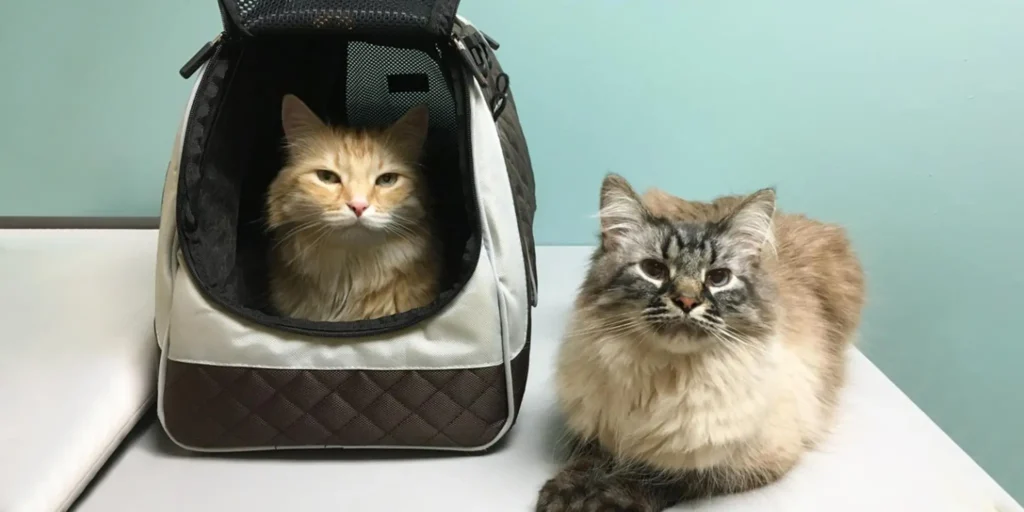
Vet papers and health certificate, enough food and water for the trip, carrier or crate in good condition, ID tag and microchip updated, hotel and airline confirmations printed, emergency vet contacts at destination.
In conclusion, traveling with your indoor pet is absolutely worth the extra effort when done right. With careful preparation, the right gear, and respect for your pet’s needs, you can create wonderful memories together instead of stress and worry. Whether you are road-tripping across the country, flying to a new destination, or staying in a cozy pet-friendly hotel, the key is planning ahead and putting your pet’s comfort and safety first. Start building your travel routine now by practicing short trips, testing the carrier, and researching destinations. The more you travel together, the easier and more enjoyable it becomes. Your indoor pet will thank you with excited tails, purrs, or happy behaviors at every new adventure, and you will enjoy the special bond that only comes from exploring the world side by side. Safe travels, happy adventures, and many more joyful moments with your indoor pet.