Exercise is one of the most important yet often overlooked parts of caring for any indoor pet. Dogs, cats, rabbits, hamsters, guinea pigs, birds, and other small animals that live mainly inside the house still need regular physical and mental activity to stay healthy, maintain a good weight, keep their muscles strong, and prevent boredom-related behaviors such as excessive chewing, digging, barking, or hiding. Without enough exercise, indoor pets can quickly become overweight, stiff, anxious, or destructive because they don’t have the natural space and stimulation they would find outdoors. The good news is that you don’t need a big yard, expensive equipment, or hours of free time. With simple, short sessions using things you already have at home, you can give your pet all the exercise they need every day. This practical guide is made for regular pet owners who want clear, easy-to-follow ideas they can start using today, no matter what type of indoor pet they have.
Why Exercise Matters So Much for Indoor Pets
Indoor pets spend most of their time in the same limited space, so they don’t burn energy the way wild animals do. Without daily movement, they can gain weight, lose muscle tone, develop joint stiffness, and show signs of stress such as over-grooming, loud vocalizing, or destroying furniture. Regular exercise helps regulate their appetite, improves digestion, keeps their heart and lungs healthy, and gives them mental stimulation that reduces anxiety. A pet that gets enough activity every day is usually calmer, sleeps better, plays more enthusiastically, and has fewer behavior problems. Even small animals like hamsters and birds need movement to stay happy and avoid depression or repetitive behaviors. The key is to provide the right amount and type of exercise for your pet’s species, age, and personality, and to make it part of your normal daily routine so it becomes easy and consistent.
How Much Exercise Different Indoor Pets Need
Every pet is different, but here are simple general guidelines you can follow at home:
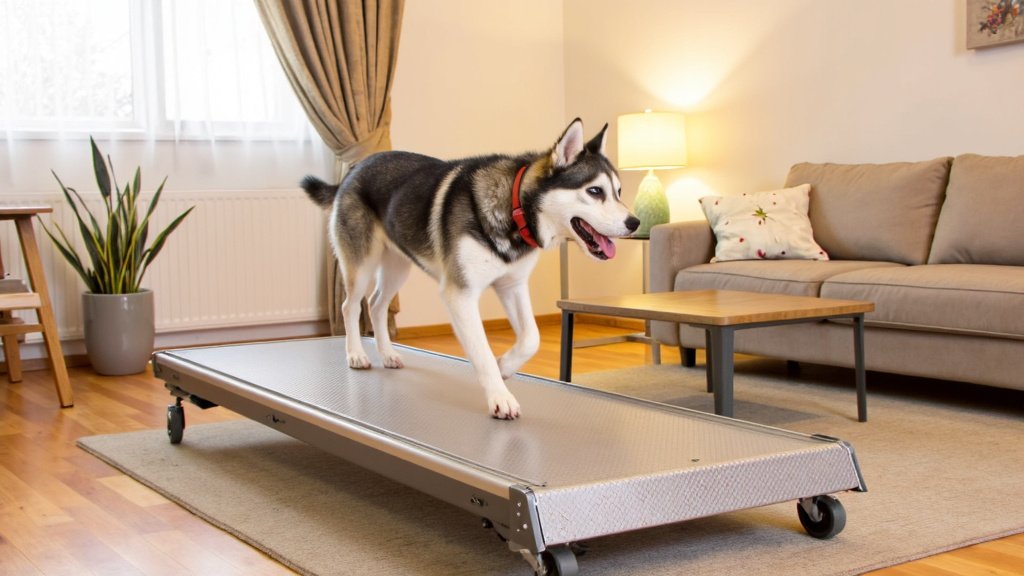
- Dogs usually need 20 to 60 minutes of active movement per day, split into two or three sessions. Smaller breeds may be happy with shorter walks or indoor play, while larger dogs benefit from longer play or gentle running.
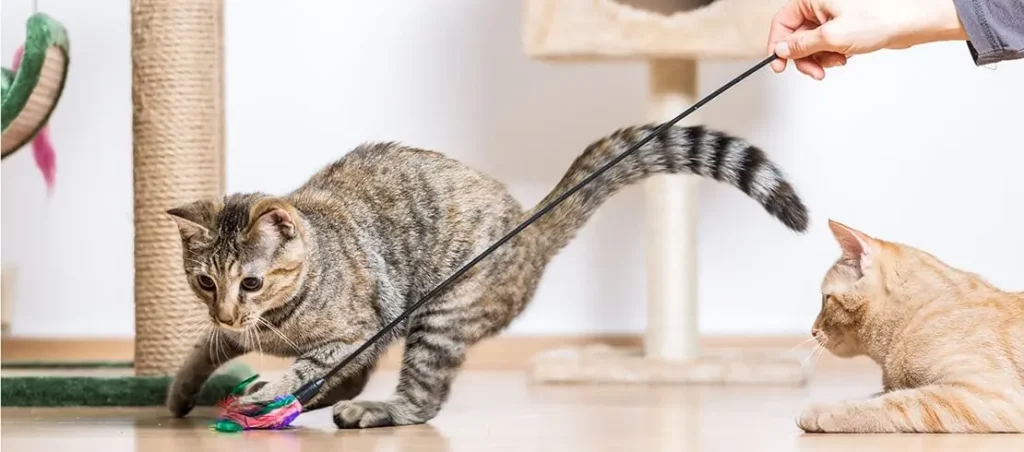
- Cats need 15 to 40 minutes of play spread throughout the day, preferably in short bursts of 5 to 10 minutes each. Indoor cats often need the higher end because they have no outdoor stimulation.
- Rabbits and guinea pigs benefit from 30 to 60 minutes of supervised floor time in a safe pen or room every day so they can hop, explore, and stretch.
- Hamsters and small rodents are most active in the evening and need 20 to 40 minutes in a large playpen or exercise wheel.
- Birds require 20 to 40 minutes of out-of-cage time with toys, flying, or climbing every day.
The important thing is not the exact number of minutes but that the activity is regular, safe, and enjoyable for your pet. Start with shorter sessions and gradually increase as your pet gets used to the routine.
Easy and Cheap Ways to Exercise Your Indoor Pet at Home
You can provide excellent exercise using everyday items you already have. For dogs and cats, use a wand toy, laser pointer (always end with a real toy), crumpled paper balls, or tunnels made from cardboard boxes. For rabbits and guinea pigs, create a safe playpen with boxes, tunnels, and hiding spots so they can hop and explore. Hamsters love running on a wheel or in a large playpen with tubes and chew toys. Birds enjoy flying around a safe room or climbing on perches and swings. Scatter a few treats around the room so your pet has to walk, search, and problem-solve to find them. These simple games turn exercise into fun and mental stimulation at the same time, and they cost almost nothing after the first time you set them up.
Creating a Simple Daily Exercise Routine
A consistent routine makes exercise easy to remember and effective. Here is an example you can adapt to your schedule:
- Morning: 5–10 minute gentle play or movement session right after breakfast.
- Midday: Short 5-minute activity such as hiding treats or using a puzzle toy.
- Evening: The longest session (10–20 minutes) with active play or exploration time.
- Before bed: Calm wind-down activity like gentle petting or a short foraging game.
Adjust the exact times to fit your life, but try to keep them roughly the same every day. This predictability helps your pet know when to expect activity and makes them look forward to it. If you work long hours, use automatic toys, puzzle feeders, or a safe playpen to keep them active while you are away.
Weekly Exercise Checklist You Can Follow
- Monday: Longer play session with new toy or box tunnel.
- Wednesday: Foraging game with hidden treats.
- Friday: Full exploration time in a safe pen or room.
- Sunday: Gentle health check while playing (watch for stiffness or low energy).
This short checklist ensures your pet gets variety and you notice any changes in their energy or movement early.
Special Tips for Different Pets and Life Stages
Young pets (puppies, kittens, baby rabbits, etc.) have lots of energy and need frequent short bursts of play to burn it off safely. Senior pets need gentler, shorter sessions focused on slow movement and stretching to keep joints mobile without strain. Overweight pets should start with very short and low-impact activities and gradually increase as they lose weight. Indoor-only pets generally need more structured play because they have no natural outdoor exercise. Always supervise playtime, especially with small animals, and make sure the area is safe with no wires, small objects, or escape routes.
Common Mistakes and Easy Fixes
- Playing only once a day for a long time — fix: split activity into several short sessions.
- Using the same toy every day — fix: rotate toys and activities so everything feels new.
- Thinking that running around the house on their own is enough — fix: you still need to actively play with them most days.
- Pushing a tired or senior pet too hard — fix: keep sessions short and watch their energy level.
When to Adjust or Seek Help
If your pet suddenly loses interest in play, seems stiff, tires very quickly, or shows any signs of pain, reduce activity and check with your vet. Regular exercise should make your pet happier and more energetic, not tired or reluctant.
In conclusion, your indoor pet needs regular exercise every day, but it doesn’t have to be complicated or expensive. With 15 to 60 minutes of simple play and movement split into short sessions, using cheap toys, boxes, treats, and safe spaces you already have at home, you can keep your pet physically fit, mentally stimulated, and emotionally balanced. The routines in this guide are easy for any pet owner to follow and work for dogs, cats, rabbits, hamsters, birds, and other indoor animals. Start today with just one short play session using something as simple as a crumpled paper ball or a cardboard box. Within a few days you will probably see your pet becoming more active, more playful, and more content. Exercise at home is one of the best gifts you can give your indoor pet, and it costs almost nothing except a little of your time and attention. A pet that gets enough daily movement is calmer, healthier, and enjoys life more. You will enjoy having a happier, more energetic companion and fewer behavior problems. Small, fun exercise sessions every day really do create big improvements in your pet’s daily well-being and make your life together at home much more enjoyable.