Creating the perfect habitat for your indoor pet is one of the most important things you can do to ensure they live a happy, healthy, and stress-free life. Whether you have a dog, cat, rabbit, hamster, guinea pig, bird, or any other small animal that spends most of its time inside the house, a well-designed living space gives them security, mental stimulation, physical comfort, and the ability to express natural behaviors. Indoor pets don’t have the freedom of wild animals to roam, hunt, or explore large areas, so it is up to you to build an environment that meets their needs using simple, affordable items you can find or make at home. The good news is that you don’t need a big house or expensive equipment. With thoughtful arrangement, a few basic supplies, and small daily habits, you can create a habitat that keeps your pet active, calm, and content every day. This practical guide is made for regular pet owners who want clear, step-by-step ideas they can start using today in their own home.
Why a Good Habitat Makes Such a Big Difference
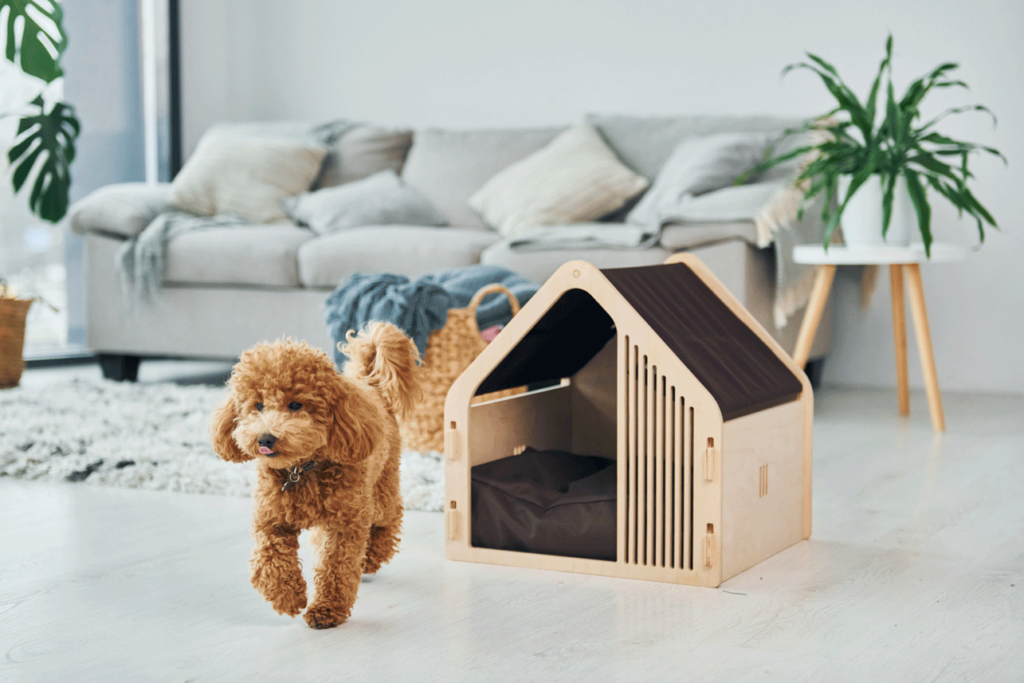
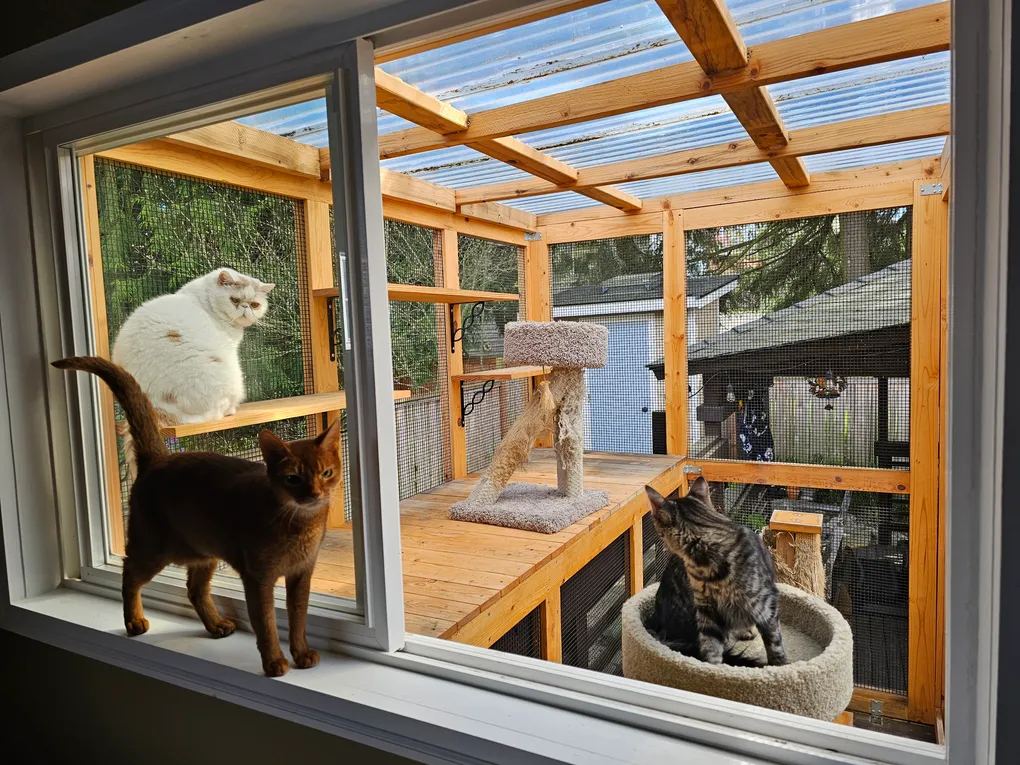
Indoor pets rely completely on the space you provide. A poor habitat can lead to boredom, stress, weight gain, destructive behavior, or even health problems. A well-planned habitat, on the other hand, encourages natural instincts such as climbing, hiding, foraging, and resting in safe spots. It reduces anxiety, supports healthy digestion and exercise, and helps your pet feel safe and in control of their environment. Dogs need room to move and rest comfortably, cats need vertical space to climb and observe, rabbits and guinea pigs need areas to hop and hide, hamsters need tunnels and wheels, and birds need perches and space to fly short distances. When you create a habitat that matches your pet’s species and personality, you will see them playing more, eating better, sleeping soundly, and showing fewer behavior problems. The best habitats are simple, safe, and easy to clean so you can maintain them without much effort.
Choosing and Setting Up the Main Living Area
Start by picking a dedicated area for your pet’s main living space. For dogs and cats, this can be a corner of the living room or a whole room. For rabbits, guinea pigs, hamsters, or birds, use a large cage or playpen that is big enough for them to move freely. Make sure the area is away from direct sunlight, cold drafts, loud noises, and busy walkways. Place the habitat where your pet can see you during the day but still have quiet corners to retreat to when they want privacy. Use baby gates or a playpen to create boundaries if your pet is not yet free-roaming the whole house. Add soft bedding, a comfortable bed or hammock, and a hiding spot such as a cardboard box or tunnel. These basic elements give your pet a sense of security from the first day.
Providing the Right Temperature and Comfort
Indoor pets are sensitive to temperature changes. Keep the room between 20°C and 24°C for most species. In winter, add extra blankets, a safe heating pad on low, or move the bed away from cold windows. In summer, use fans on low speed pointed at the floor and close curtains during the hottest hours. Always provide multiple resting spots at different heights or locations so your pet can choose the most comfortable temperature throughout the day. For rabbits and guinea pigs, add extra hay or soft bedding in cooler months. For birds, make sure perches are not in direct drafts. These small adjustments keep your pet comfortable without any special purchases.
Enrichment and Mental Stimulation Inside the Habitat
A good habitat is not just a place to sleep — it should encourage natural behaviors. Add cheap enrichment items such as cardboard boxes with holes, tunnels made from old paper towel rolls, low shelves or steps for climbing, and puzzle toys that hide food. Scatter a few treats around the area so your pet has to search and explore. Rotate these items every few days so the habitat always feels new and interesting. For birds, hang safe toys and perches at different levels. For hamsters and small rodents, provide a wheel and hiding spots. These simple additions turn the habitat into a fun, stimulating environment that prevents boredom and keeps your pet mentally sharp.
Safety and Cleanliness Habits
Safety and cleanliness are essential parts of any indoor habitat. Remove small objects that could be swallowed, secure electrical cords, and block access to dangerous areas. Clean the habitat daily by scooping litter boxes or removing soiled bedding. Do a full clean once a week with mild soap and hot water. Wash blankets and toys regularly. For birds and small animals, change paper or substrate every few days. A clean habitat prevents odors, bacteria, and parasites, and makes your pet feel more comfortable. Keep a small “habitat kit” with wipes, a dustpan, and cleaning supplies nearby so daily maintenance is quick and easy.
Simple Daily and Weekly Habitat Routine
A consistent routine makes caring for the habitat effortless.
- Every morning: refresh water, check food, and do a quick tidy.
- Every evening: spot-clean the habitat and add fresh enrichment.
- Once a week: full clean of bedding, toys, and surfaces.
This routine takes only a few minutes a day but keeps the habitat fresh and inviting.
Adapting the Habitat for Different Pets and Life Stages
Young pets need more space to explore and play. Senior pets benefit from low ramps, softer bedding, and easy-access hiding spots. Dogs and cats usually need larger open areas, while rabbits and guinea pigs do well in large pens with hay and tunnels. Hamsters and birds need vertical elements and toys. Adjust the habitat as your pet grows or ages so it always matches their current needs.
Common Mistakes and Easy Fixes
- Making the habitat too small or cluttered — fix: give enough space for movement and add hiding spots.
- Forgetting to rotate enrichment — fix: change one or two items every few days.
- Placing the habitat in a noisy or drafty area — fix: move it to a quieter corner.
- Cleaning too infrequently — fix: set a weekly reminder on your phone.
When to Make Changes
Watch your pet’s behavior. If they seem restless, hide a lot, or stop using certain areas, it may be time to add more enrichment or rearrange the space. Small adjustments based on what your pet enjoys will keep the habitat perfect for them.
In conclusion, creating the perfect habitat for your indoor pet is simple and very rewarding when you focus on safety, comfort, cleanliness, and enrichment using everyday items at home. By providing a dedicated space, consistent temperature, daily routines, and rotating activities, you give your pet the security and stimulation they need to thrive indoors. These practical steps cost almost nothing and take only a few minutes a day, but they prevent boredom, reduce stress, and help your pet live a longer, happier life. Start today by choosing one area to improve — perhaps adding a cardboard box or rearranging a resting spot. Within a short time you will see your pet exploring more, playing more, and seeming more content in their home. A well-designed habitat is one of the best gifts you can give your indoor pet, and it is something you can create and maintain right in your own house with love and attention. Your pet will thank you with more energy, more affection, and many joyful years together indoors.