Dental care for your indoor pet is one of the simplest and most important things you can do at home to keep them comfortable, healthy, and free from pain for many years. Tartar buildup and bad breath may seem like small issues at first, but they can quickly lead to gum inflammation, tooth loss, infections, and even problems in the heart, kidneys, and other organs because bacteria from the mouth can enter the bloodstream. Indoor pets are especially prone to dental problems because they often eat softer foods, have less natural chewing, and spend all their time in the same environment where plaque can accumulate faster. The good news is that you can prevent most tartar and bad breath issues with easy, low-cost habits you can build into your daily routine using things you already have or can buy cheaply once. Whether you have a dog, cat, rabbit, hamster, guinea pig, bird, or any other small indoor pet, short and calm dental care sessions a few times a week can make a huge difference in their quality of life. This practical guide is made for regular pet owners who want clear, step-by-step ideas they can start using today right in their own house.
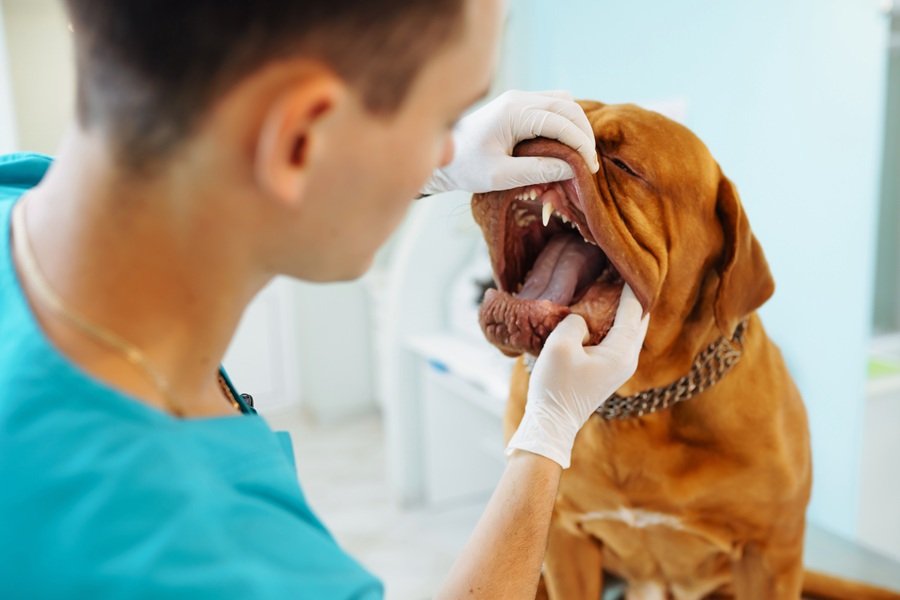
Why Dental Care Is So Important for Every Indoor Pet
Indoor pets do not have the same natural opportunities to chew on tough materials or hunt as wild animals, so plaque forms more easily on their teeth. Plaque is a soft, sticky film of bacteria and food particles that hardens into tartar within 24 to 48 hours if not removed. Once tartar appears, it irritates the gums, causes bad breath, and can lead to painful infections. For dogs and cats this often shows as yellow or brown buildup on the back teeth. For rabbits and guinea pigs, dental overgrowth can make eating difficult and painful. Hamsters and small rodents can develop abscesses, while birds may have beak problems that affect feeding. When you take care of your pet’s mouth at home, you reduce the risk of these issues, keep their breath fresher, help them eat comfortably, and avoid expensive veterinary dental cleanings later. Regular home care is especially useful for indoor pets because you see them every day and can notice small changes quickly.
Simple and Cheap Tools You Can Use at Home
You don’t need professional equipment. Start with these basic, affordable items:
- Enzymatic pet toothpaste (chicken or fish flavor works for most pets)
- Soft finger brush or a small pet toothbrush (finger brushes are easiest for beginners)
- Soft gauze or cotton swabs for gentle wiping
- Dental treats or chews made for your pet’s species
- A small spray bottle with plain water or a pet-safe dental rinse (optional but helpful)
- High-value treats or favorite food to reward calm behavior after every session
Keep everything together in a small box near where your pet likes to relax. This makes the routine quick and familiar.
How to Clean Your Pet’s Teeth at Home – Step by Step
The secret is to start very slowly and always make it positive. Most pets get used to the process within two to three weeks if you go at their pace.
- Choose a calm moment, such as after a meal or play session.
- Let your pet sniff the toothpaste first and offer a tiny taste so they associate the smell with something good.
- Sit on the floor or sofa at their level. Gently lift the lip on one side and wipe or brush the outer surfaces of the teeth in small circular motions, focusing on the gum line where tartar starts.
- Begin with just 10–15 seconds on one side the first few days. Praise calmly and give a treat immediately.
- The next day do the other side. Gradually increase the time until you can clean both sides comfortably.
- Never force the mouth open — if your pet pulls away, stop and try again tomorrow with an even shorter session.
For dogs and cats, focus on the big back teeth and the gum line. For rabbits and guinea pigs, gently wipe the front teeth and check for overgrowth. Hamsters and small rodents need only light wiping with a soft cloth or cotton swab. Birds benefit from gentle beak wiping with a damp cloth. These short moments become part of your normal interaction and help your pet stay calm during future vet visits.
Other Easy Ways to Help Clean Teeth Without Brushing
Not every pet will love the toothbrush right away. Here are simple alternatives you can do at home:
- Offer one dental treat or chew every day after the evening meal. Look for ones made for your pet’s size and species.
- Add a pet-safe dental water additive to one of the water bowls — it helps reduce bacteria every time they drink.
- Scatter dry food or pellets on a plate or in a muffin tin so your pet has to chew more to eat.
- For rabbits and guinea pigs, provide unlimited hay — the constant chewing naturally wears down teeth.
- For birds, offer safe wooden toys or cuttlebones to chew on.
Combining brushing with these alternatives works well for most pets and keeps their teeth cleaner without daily struggle.
Weekly Home Dental Check You Can Do Easily
Pick one day of the week (for example every Sunday) and spend two minutes checking your pet’s mouth:
- Gently lift the lips or beak and look at the teeth — they should be mostly white or light-colored. Dark brown or black spots mean tartar is building up.
- Check the gums — they should be pink and not red or bleeding.
- Smell the breath — a little natural smell is normal, but very strong or sour breath usually means a problem.
- Note if your pet is chewing only on one side or dropping food.
Write down what you see in a small notebook. If you notice anything different for two weeks in a row, it is time for a vet visit.
Daily Habits That Support Good Dental Health
- Give fresh water in multiple bowls every day. Pets that drink more have cleaner mouths.
- Play with your pet for 10–15 minutes daily — active pets chew more naturally and have better saliva flow.
- Avoid giving soft or sticky human foods that stick to the teeth.
- If you feed wet food, follow it with a dental treat or chew to help clean the teeth.
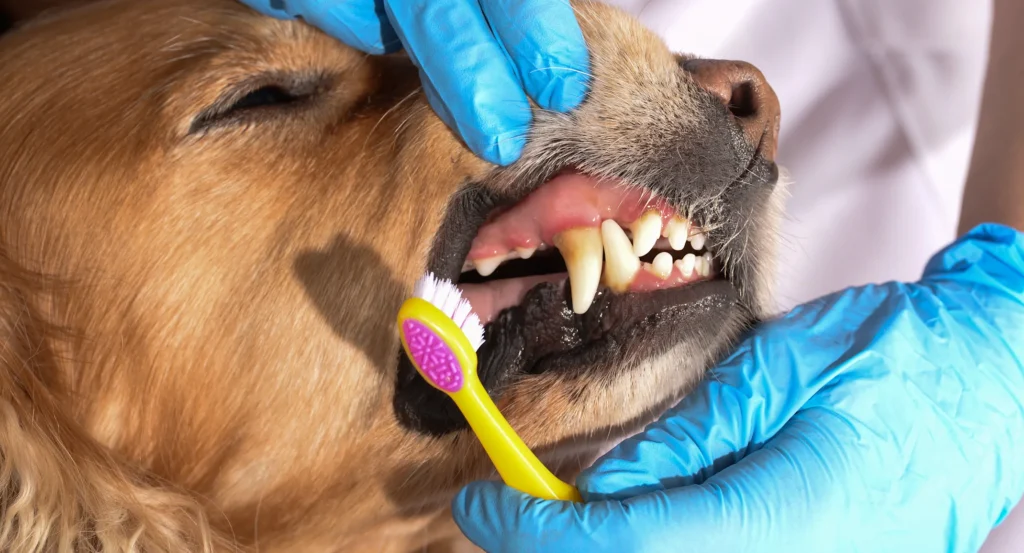
Simple Weekly Dental Routine You Can Follow
Sunday evening works well for many owners:
- 30–60 seconds of gentle tooth cleaning or wiping
- Give one dental treat or chew
- Quick mouth check and note anything different
- Reward with play time and extra attention
This whole routine takes less than 5 minutes but makes a huge difference over time.
Common Mistakes and Easy Fixes
- Brushing too hard or too long at the beginning — solution: start with just 10 seconds.
- Using human toothpaste — solution: never do this, it can make pets sick.
- Giving up after one bad session — solution: wait a day and try again shorter.
- Only relying on treats without any cleaning — solution: combine both for better results.
Special Tips for Different Pets and Ages
Kittens, puppies, and young animals: Start very gently from an early age so they get used to it.
Senior pets: Use softer brushes and shorter sessions. They may need dental treats more often if brushing is difficult.
Long-haired or small pets: Check inside the mouth more carefully because fur or small size can hide early problems.
When to Take Your Pet to the Vet
Home care is great for prevention, but you still need professional help sometimes. Go to the vet if you see:
- Very strong bad breath that doesn’t improve after two weeks of home care
- Red, swollen, or bleeding gums
- Your pet stops eating hard food or seems painful when chewing
- Loose teeth or visible tartar that looks thick
- Drooling or pawing at the mouth
In conclusion, dental care for indoor pets is something every owner can do successfully at home with simple tools, short sessions, and positive reinforcement. Brushing a few times a week, offering dental treats, keeping water fresh, and doing a quick weekly check are easy habits that prevent tartar, keep breath fresh, and protect your pet from pain and serious health problems. These small actions cost very little money and only a few minutes of your time, but they give your pet much more comfort and a longer, happier life. Start today with just one small step — maybe letting your pet lick a bit of enzymatic toothpaste from your finger — and slowly build the full routine. Within a few weeks you will notice fresher breath, healthier gums, and a pet that feels better every day. Home dental care is one of the nicest ways to show your indoor pet how much you care, and it is something you can do right in your living room with love and patience. Your pet will thank you with more energy, more play, and many healthy years together.