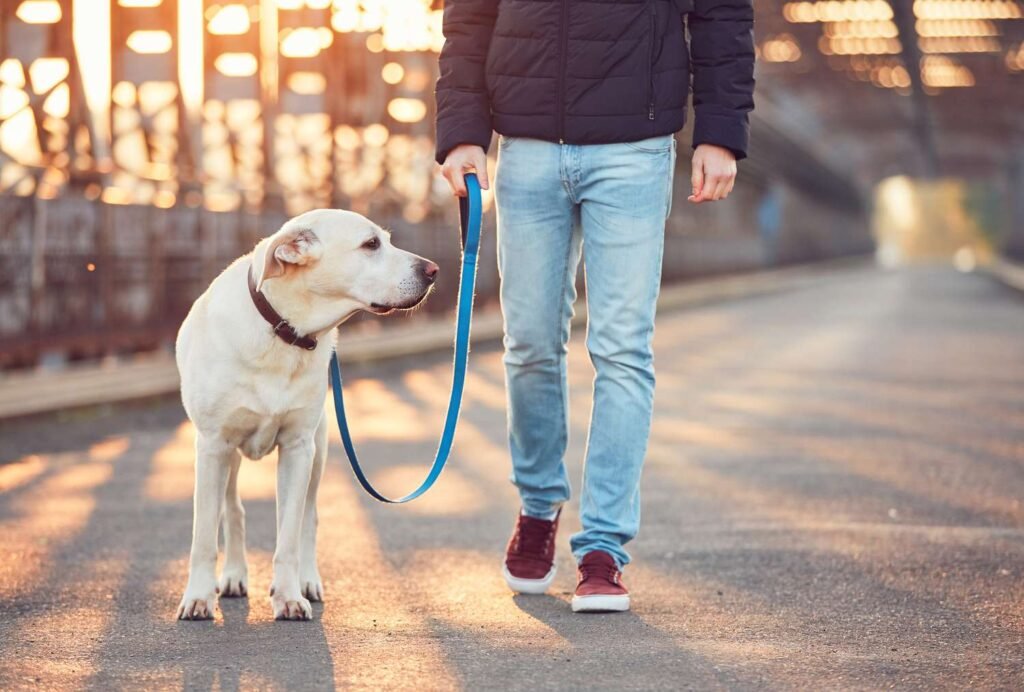
Exercise is the cornerstone of a healthy, happy, and well-behaved dog. The question “How many walks does my dog actually need?” is one of the most common asked by new and experienced owners alike. The answer is not a simple number — it depends on many individual factors including breed, age, size, energy level, health status, and even personality. Getting the right amount of daily exercise prevents obesity, reduces destructive behaviors, eases anxiety, strengthens the heart and joints, and deepens the bond between you and your dog. Too little exercise leads to weight gain, boredom, excessive barking, chewing, digging, and hyperactivity at home. Too much, especially in puppies or seniors, can cause joint damage or exhaustion. This in-depth guide gives you everything you need to create the perfect walking schedule for your dog in 2026, with practical recommendations, breed-specific examples, and smart alternatives for busy owners.
Let’s start with the science. Most adult dogs need between 30 and 120 minutes of moderate to vigorous exercise every single day. This includes structured walks plus free play or mental stimulation. Small breeds with lower energy (such as Chihuahuas, Pomeranians, or Shih Tzus) often thrive with just 20–40 minutes split into two or three short walks. Medium breeds like Beagles, Cocker Spaniels, or Bulldogs usually do well with 45–60 minutes. High-energy working breeds — Border Collies, Australian Shepherds, Labrador Retrievers, German Shepherds, Huskies, and Jack Russell Terriers — frequently require 90–120 minutes or more, plus intense play sessions to burn off their natural drive. Giant breeds like Great Danes or Mastiffs need surprisingly less intense exercise (around 40–60 minutes) because their massive frames can be stressed by too much running or jumping.
Age plays a huge role. Puppies have developing bones and joints, so their exercise must be short and frequent — no more than 5 minutes per month of age, several times a day. A 4-month-old puppy, for example, should get about 20 minutes of controlled walking or play at a time, spread throughout the day. Adolescents (6–18 months) have boundless energy and need longer walks plus structured play to prevent them from becoming destructive teenagers. Adult dogs (2–7 years) settle into their lifelong pattern and usually need the full recommended time based on breed. Senior dogs (8+ years) benefit from shorter, more frequent gentle walks — often 3–4 short outings of 10–20 minutes — to maintain mobility without stressing arthritic joints or the heart.
Health conditions change everything. Dogs with arthritis, hip dysplasia, heart disease, or obesity need lower-impact exercise: slow walks on soft grass, swimming, or underwater treadmill sessions at a vet clinic. Brachycephalic (flat-faced) breeds like Bulldogs, Pugs, and French Bulldogs overheat easily and should never be pushed in hot weather — short, cool walks early in the morning and evening are safest. On the other hand, athletic dogs recovering from injury may need carefully controlled leash walks as part of physical therapy.
Weather and environment also matter. In hot summers (above 25°C/77°F), walk only in the early morning or after sunset and avoid hot pavement that can burn paw pads. In freezing winters, short-haired or small dogs may need coats and booties and shorter outdoor time. Rainy days can be handled with quick potty walks plus indoor enrichment like puzzle toys or hallway fetch. Apartment dwellers without easy access to parks can still meet needs with multiple short walks plus stair climbing, balcony training, or indoor treadmill use (once the dog is trained).
A good daily walking schedule usually includes at least two main walks plus several potty breaks. A typical successful routine looks like this:
• Morning walk (20–40 minutes) right after breakfast — burns overnight energy and sets a calm tone for the day.
• Midday potty break or quick 10–15 minute walk if possible.
• Evening walk (30–60 minutes) after work — the longest session for most dogs, allowing sniffing, exploring, and mental stimulation.
• Final short potty walk before bed.
During walks, variety is key. Let your dog sniff (this is huge mental exercise — one hour of sniffing can tire a dog more than running). Practice loose-leash walking, recall, and simple commands. Change routes regularly so the walk stays interesting. For high-energy dogs, add 10–15 minutes of off-leash running in a safe fenced area or use a long line in open spaces. Carry a backpack with water, waste bags, treats, and a collapsible bowl.
How do you know if your dog is getting enough exercise? Watch for these positive signs: calm behavior at home, good appetite without begging, relaxed sleep, shiny coat, and steady weight. Negative signs of insufficient walks include pacing, whining at the door, chewing furniture, excessive jumping on people, or hyperactive zoomies late at night. If you notice these, gradually increase walk time by 10–15 minutes per day and observe the difference.
Busy owners who cannot provide enough walks have excellent options. Hire a reliable dog walker for a midday 30-minute session. Enroll in doggy daycare 1–3 days a week for structured play. Use flirt poles, flirt-pole chases, or backyard agility equipment for intense 15-minute bursts. Indoor treadmills designed for dogs (with gradual training) or even swimming sessions at a local pool or hydrotherapy center can supplement walks. Puzzle toys, scent work games, and training sessions also burn mental energy and reduce the need for extra physical miles.
Never forget safety. Always use a well-fitted harness (not a collar for pulling breeds) to protect the neck. Carry water on every walk longer than 20 minutes. Check paws after walks for cuts, thorns, or hot pavement burns. In tick-heavy areas, use preventives and do a full-body check afterward. Teach your dog to walk calmly past other dogs and people to prevent reactivity.
Common mistakes include walking only once a day, walking the same short route every time (boredom), pushing puppies or seniors too hard, ignoring weather dangers, and using retractable leashes in busy areas (they give poor control). Another big error is thinking that backyard time equals exercise — most dogs just wait by the door unless you actively play with them.
In conclusion, the perfect number of walks for your dog is the amount that keeps them physically fit, mentally stimulated, and emotionally balanced without causing exhaustion or injury. By considering breed, age, size, health, and lifestyle, you can build a customized schedule that fits your routine while giving your dog exactly what they need. Start by tracking your current walks for one week, note your dog’s behavior, then adjust gradually. With the right balance of walks, play, and mental enrichment, you will have a calmer, healthier, and much happier companion. A well-exercised dog is not only easier to live with — they are also your most loyal and joyful friend for years to come. Take that first step today and watch the positive changes unfold.