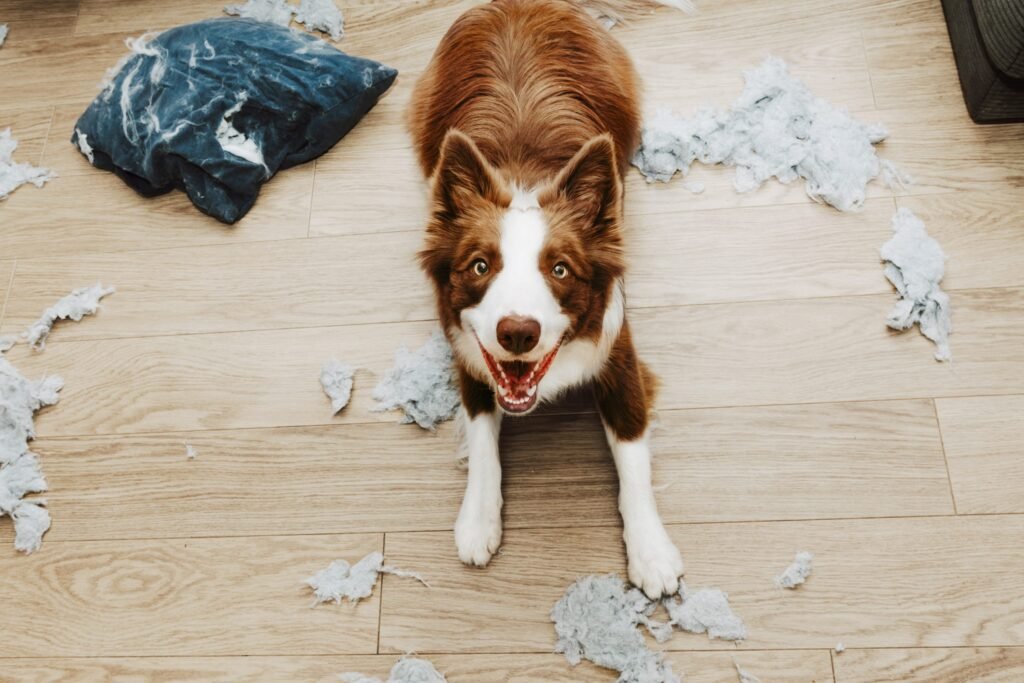
Separation anxiety is one of the most common and heartbreaking behavior problems faced by dog owners today. It occurs when a dog becomes extremely distressed when left alone or separated from their favorite person. This is not “bad behavior” or spite — it is a genuine panic response rooted in fear. Dogs with separation anxiety may destroy furniture, bark or howl for hours, have bathroom accidents indoors, drool excessively, pace, pant, or try to escape through doors or windows. In severe cases, it can lead to self-injury or constant stress that affects their physical health. The good news is that separation anxiety is highly treatable with patience, the right techniques, and consistency. Most dogs show significant improvement within weeks to months when owners follow a structured desensitization plan. This complete guide explains how to recognize the signs, understand the causes, and implement proven solutions at home in 2026.
First, learn to spot the signs early. Classic symptoms include: destructive chewing focused on doors, windows, or owner-scented items; excessive vocalization (barking, howling, whining) that starts within minutes of your departure; indoor urination or defecation despite being house-trained; drooling, panting, or pacing; frantic greeting when you return (jumping, circling, or inability to calm down); and refusal to eat or drink when left alone. Some dogs show more subtle signs like depression, loss of appetite, or following you from room to room when you are home. Video your dog for 30–60 minutes after you leave to confirm what really happens — many owners are shocked by what the camera reveals.
Why does separation anxiety develop? Common causes include: sudden changes in routine (new job, moving house, returning to office after remote work); trauma such as shelter time, rehoming, or loss of a previous owner; lack of early socialization or crate training as a puppy; overly dependent bonding where the dog is never left alone; and certain breeds (like Labrador Retrievers, German Shepherds, and toy breeds) that are more prone due to genetics or high sensitivity. Even well-loved dogs can develop it after a major life event like illness or the death of another pet.
The key to fixing separation anxiety is gradual desensitization and counter-conditioning — teaching your dog that being alone is safe and even positive. Never punish your dog for anxiety behaviors; this only makes fear worse. Instead, create a step-by-step plan:
- Build Independence While You Are Home Start by teaching your dog to relax in their own space. Choose a comfortable “safe zone” — a crate, dog bed, or gated room with familiar toys and a long-lasting chew. Practice short “alone” moments while you are still in the house. Leave the room for 5–10 seconds, return calmly without fuss, and reward your dog for staying relaxed. Gradually increase time to 1 minute, 5 minutes, 15 minutes, and longer. Use a special “alone-time” toy (like a frozen Kong stuffed with peanut butter, yogurt, or kibble) that only comes out during these sessions so your dog associates solitude with something wonderful.
- Desensitize Departure Cues Dogs quickly learn that picking up keys, putting on shoes, or grabbing a bag means you are leaving. Practice these cues many times a day without actually leaving. Pick up your keys and sit back down on the couch. Put on shoes and then watch TV. Do this 10–20 times daily until your dog stops reacting. This breaks the emotional link between those actions and panic.
- Create a Realistic Alone-Time Schedule Begin with very short absences (30 seconds to 2 minutes) and slowly build up. Leave through the front door, walk around the block, and return calmly. Ignore your dog for the first 5 minutes after coming home so they learn that arrivals and departures are no big deal. Never make a huge emotional goodbye or excited reunion — keep both low-key and boring.
- Use Crate Training or Confinement Positively If your dog is crate-trained, the crate can become their safe den. If not, use a baby gate or dog-proof room. Never use the crate as punishment. Feed meals inside the crate and give the special Kong only when you leave. For severe cases, some owners start with a camera and gradually increase time while monitoring stress levels.
- Incorporate Mental and Physical Exercise A tired dog is a calmer dog. Provide 45–90 minutes of exercise and mental stimulation before you leave. Long walks, puzzle toys, scent games, or training sessions tire the brain and body so your dog is more likely to rest while alone.
- Consider Calming Aids and Professional Help For moderate to severe anxiety, natural aids like Adaptil pheromone collars, calming chews (with L-theanine or CBD — check with your vet), or calming music playlists designed for dogs can help. In stubborn cases, your veterinarian may prescribe short-term anti-anxiety medication (such as fluoxetine or clomipramine) while behavior modification takes effect. Work with a certified animal behaviorist or veterinary behaviorist if progress stalls after 4–6 weeks.
- Prevent It Before It Starts Puppies benefit enormously from early alone-time training. Teach them from 8–12 weeks old that being alone is normal. Gradually increase alone time during the critical socialization window. Never let a new puppy be with you 24/7 for the first weeks — build independence right away.
Common mistakes that make anxiety worse: punishing the dog after coming home, using the crate only when leaving, making long emotional goodbyes, or suddenly increasing alone time too quickly. Also avoid “practice runs” right before you actually need to leave for work — this can heighten stress.
Track your progress with a simple journal or app. Note departure time, duration left alone, and your dog’s behavior when you return. Celebrate every small win — even 10 extra calm minutes is huge progress.
Most dogs improve dramatically within 8–12 weeks of consistent work. Severe cases may take 3–6 months, but the effort is absolutely worth it. A dog that can confidently stay home alone is less stressed, safer, and allows you to live your life without worry.
In conclusion, separation anxiety is not a permanent condition and does not mean your dog doesn’t love you — it means they need your help learning to cope. By using gradual desensitization, positive associations, exercise, and professional support when needed, you can help your dog feel secure even when you are not there. Start today with just 30-second absences and build from there. The result will be a calmer, happier dog and a much more peaceful home for everyone. Patience and consistency are your greatest tools. With time and love, you can turn anxiety into confidence and give your dog the gift of independence.