Dental health is one of the most overlooked yet critically important aspects of caring for your dog. Poor oral hygiene can lead to painful gum disease, tooth loss, bad breath, and even serious systemic health problems. Bacteria from tartar and plaque in the mouth can enter the bloodstream and affect the heart, kidneys, liver, and joints. In fact, studies show that dogs with advanced periodontal disease have a significantly higher risk of heart and kidney issues. The good news is that preventing tartar buildup and keeping your dog’s breath fresh is easier than most owners realize. With consistent daily care, the right tools, and smart habits, you can dramatically improve your dog’s oral health and overall quality of life. This comprehensive guide covers everything you need to know in 2026 to maintain excellent dental hygiene at home and when to seek professional help.
Tartar (also called calculus) forms when plaque — a soft, sticky film of bacteria, food particles, and saliva — hardens on the teeth. If not removed within 24 to 48 hours, plaque mineralizes into hard tartar that cannot be brushed away. Tartar irritates the gums, leading to inflammation (gingivitis), recession, and eventually periodontitis, where the bone supporting the teeth is destroyed. Small and toy breeds (Yorkies, Chihuahuas, Maltese) are especially prone because their teeth are crowded. Brachycephalic breeds (Pugs, Bulldogs, French Bulldogs) also suffer more due to their short jaws. But every dog, regardless of size or breed, benefits from proactive dental care.
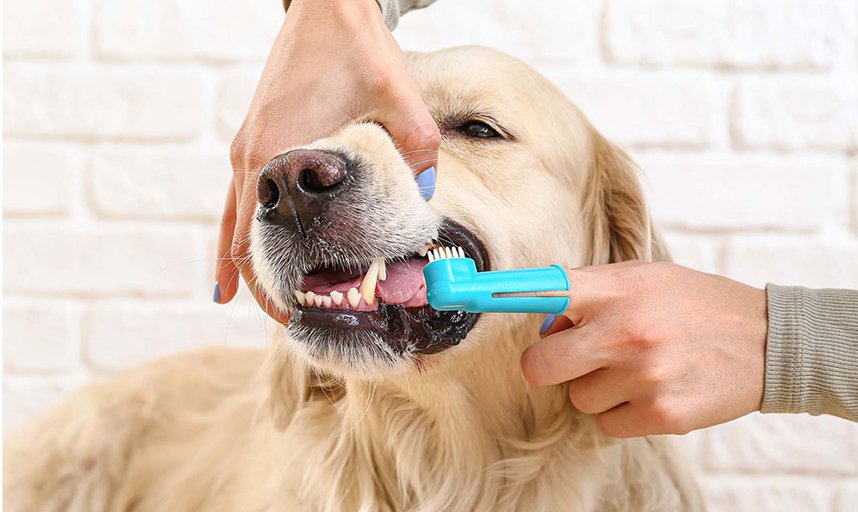
The most effective way to fight tartar is daily tooth brushing. Yes, every day is ideal, but brushing at least 3–5 times per week still makes a huge difference. Use only enzymatic dog toothpaste — never human toothpaste, which contains fluoride and xylitol that are toxic to dogs. Enzymatic formulas break down plaque chemically while tasting good to your dog (chicken, beef, or peanut flavors are popular). Choose a soft-bristled dog toothbrush or a finger brush for small mouths. For dogs that hate the brush, start with a soft gauze wrapped around your finger and gradually introduce the real brush.
The brushing technique is simple but must be consistent. Lift your dog’s lip gently and focus on the outer surfaces of the teeth (the side against the cheek), where tartar builds fastest. Use small circular motions at a 45-degree angle to the gum line. Spend about 30–60 seconds per side. Most dogs only need the outside surfaces brushed because their tongue naturally cleans the inside. Make every session positive: offer high-value treats, praise, and keep sessions short at first (15–30 seconds). Many owners find success brushing right after a walk or before bedtime when the dog is calmer. Over time, most dogs learn to tolerate — and even enjoy — the routine.
Diet plays a major role in dental health. Dry kibble is better than wet food because the crunchy texture helps scrape plaque. Look for kibble specifically formulated with dental benefits (larger pieces or special coatings that reduce tartar). Dental diets from veterinary brands are proven to reduce plaque by up to 30–50% in clinical studies. Add raw crunchy vegetables like carrot sticks or celery as healthy snacks — they act as natural toothbrushes. Avoid sticky or sugary treats that promote plaque.
Dental chews and toys are excellent supplements to brushing. Choose VOHC (Veterinary Oral Health Council) approved products, which have been scientifically tested to reduce tartar. Greenies, Whimzees, and certain rope toys or rubber chews designed for dental cleaning work well. Offer one dental chew daily, but monitor your dog to make sure they don’t swallow large pieces. Avoid rawhide chews if your dog gulps them down quickly, as they can cause choking or digestive blockages. Hard rubber toys like Kongs or Benebones also help massage gums and scrape teeth during play.
Water additives and oral gels provide extra protection between brushings. Look for products containing chlorhexidine, enzymes, or natural ingredients like cetylpyridinium chloride that reduce bacteria without alcohol. Add them to your dog’s water bowl daily or apply a small amount of oral gel directly to the gums after brushing. These are especially useful for dogs that absolutely refuse brushing.
Professional dental cleanings under anesthesia are still necessary for most dogs at least once a year, or every 6–12 months for high-risk breeds. During a cleaning, your vet removes tartar above and below the gum line, polishes the teeth, and takes dental X-rays to check for hidden problems like root abscesses or bone loss. Anesthesia is safe when your dog is healthy and properly screened with pre-anesthetic bloodwork. The procedure can prevent painful extractions and chronic infections.
Watch for warning signs that your dog needs immediate dental attention: persistent bad breath (even after brushing), yellow or brown tartar on teeth, red or swollen gums, bleeding when chewing, reluctance to eat hard food, drooling, pawing at the mouth, or loose teeth. These symptoms indicate advanced disease that requires veterinary intervention. Never ignore them — untreated dental pain affects eating, playing, and overall happiness.
Common myths still persist. “Bad breath is normal for dogs” is false — healthy dogs should have minimal odor. “Hard bones or antlers are great for teeth” is risky; they frequently fracture teeth. “My dog eats dry food so brushing isn’t needed” is also incorrect — brushing removes plaque from areas kibble cannot reach. Start dental care early, ideally when your puppy is still young, so they become accustomed to mouth handling.
Cost concerns are understandable, but prevention is far cheaper than treatment. A single professional cleaning can cost $500–$1,000 or more if extractions are needed, while daily brushing and good chews cost just a few dollars a month. Many veterinary clinics offer dental wellness packages that include cleaning, X-rays, and home-care kits at a discount.
In conclusion, excellent dental care for dogs is a combination of daily brushing, smart diet choices, appropriate chews, water additives, and regular professional cleanings. By committing to a consistent routine, you can prevent tartar, eliminate bad breath, and protect your dog from painful gum disease and related organ problems. The investment of just a few minutes a day pays off with fresher kisses, better overall health, and a much happier dog. Start today by evaluating your current routine and introducing brushing gradually. With patience and positive reinforcement, your dog will thank you with a lifetime of healthy teeth and a beautiful smile. Good dental habits are one of the simplest ways to show your dog how much you care.