Grooming your indoor pet at home is one of the easiest and most loving things you can do to keep them clean, comfortable, and healthy. Regular grooming removes loose fur or feathers, prevents painful mats, reduces shedding around the house, helps control odors, and gives you a chance to notice small health changes early. The best part is that you don’t need expensive tools or professional help. Most grooming can be done with simple, cheap items you already have or can buy once and reuse for years. Whether you have a dog, cat, rabbit, hamster, guinea pig, bird, or any other small indoor pet, short, calm sessions a few times a week can make a big difference in their well-being. This practical guide is made for regular pet owners who want easy, step-by-step ideas they can start using today in their own house. With patience and positive reinforcement, most pets learn to accept or even enjoy grooming time.
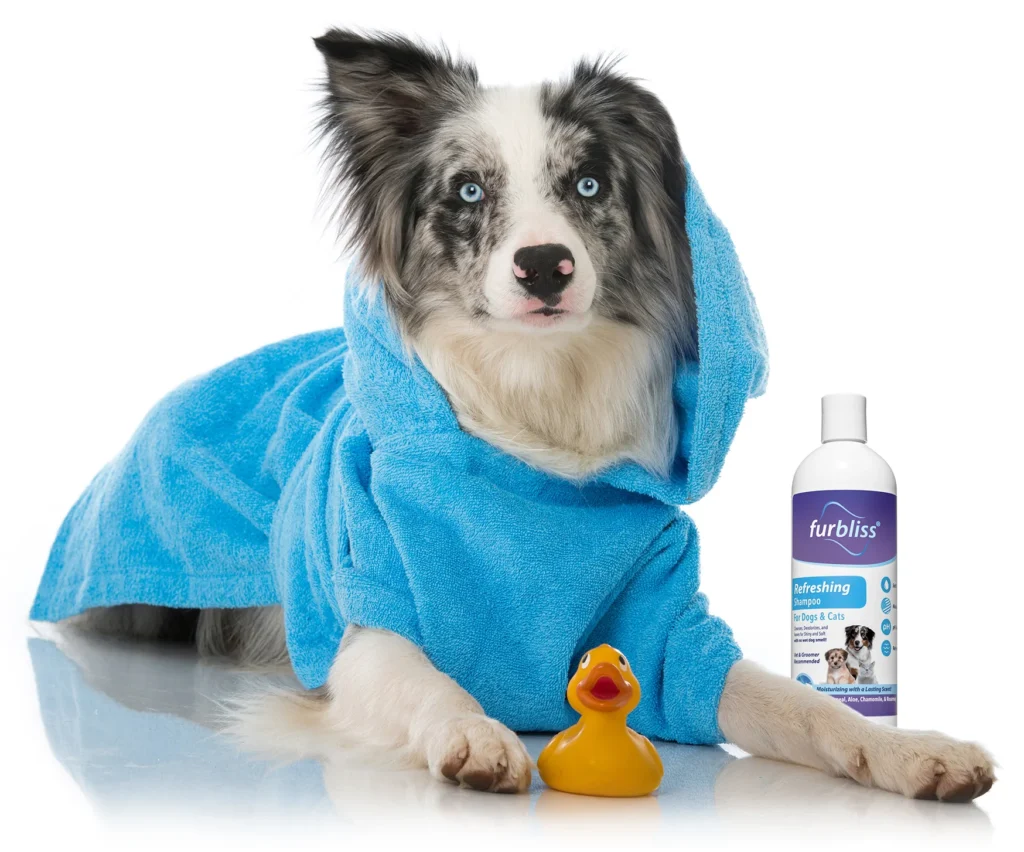
Why Grooming at Home Matters for Every Indoor Pet
Indoor pets spend all their time in the same environment, so loose fur, dander, and dirt build up quickly. Without regular grooming, hair or feathers can form mats that pull on the skin and cause pain, especially in long-haired animals. Grooming also stimulates the skin, spreads natural oils, and helps prevent skin infections. For rabbits and guinea pigs, grooming reduces the risk of flystrike and digestive blockages from swallowed fur. For birds, it keeps feathers in good condition and prevents oil buildup. For dogs and cats, it lowers the amount of hair on furniture and clothes. Even hamsters and small rodents benefit from gentle brushing to remove dirt and check for skin problems. When you groom at home regularly, your pet stays cleaner, feels more comfortable, and you strengthen the bond because they associate your touch with calm, positive moments.
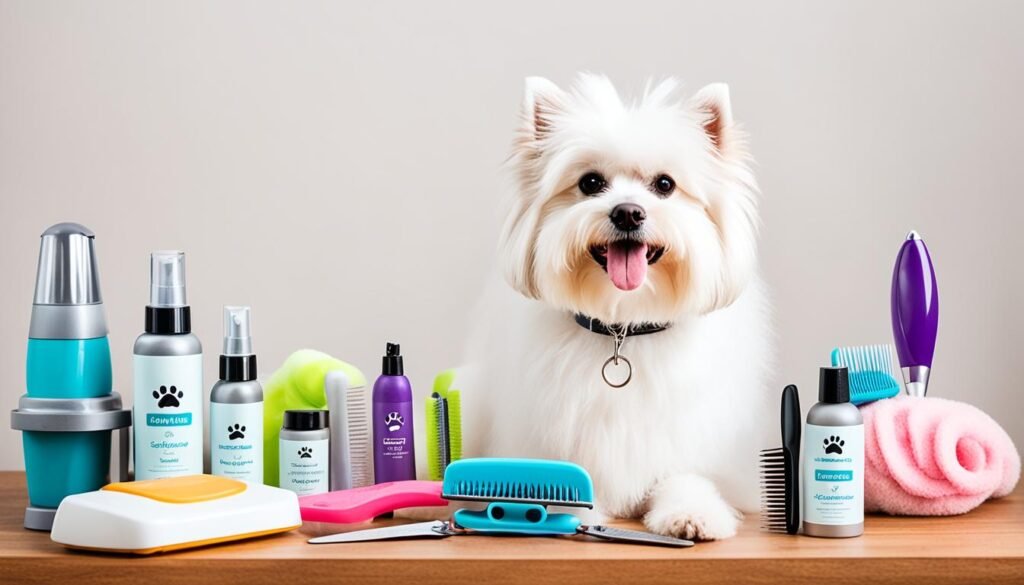
Simple and Cheap Tools You Can Use at Home
You don’t need fancy equipment. Start with these basic items that cost very little:
- A soft bristle brush or rubber grooming mitt (works for dogs, cats, rabbits, and guinea pigs)
- A fine-tooth comb or flea comb for detailed work
- Soft pet wipes or a damp cloth for quick cleaning
- Small nail clippers designed for pets (with a guard to avoid cutting too short)
- Cotton balls and warm water for gentle ear and eye cleaning
- A small spray bottle with plain water for birds or to dampen fur slightly
- High-value treats to reward calm behavior during sessions
Keep everything together in a small box near where your pet likes to relax. This way the grooming supplies become a normal, familiar part of their day.
How to Groom Different Types of Indoor Pets
The technique changes slightly depending on the animal, but the rule is always the same: keep sessions short (2–5 minutes at first), go slowly, and end with praise and a treat.
For dogs and cats, brush in the direction the fur grows, starting at the head and moving toward the tail. Pay extra attention to the belly, armpits, and behind the legs where mats form easily. For rabbits and guinea pigs, use a soft brush and be very gentle around the rear area. Hamsters and small rodents need only light brushing with a soft toothbrush or finger. Birds benefit from misting with plain water and gentle feather smoothing with a soft cloth. Never force any pet — if they become restless, stop and try again the next day with an even shorter session. Most pets get used to the routine within two to three weeks.
Creating a Calm Grooming Routine
Choose a time when your pet is already relaxed, such as after a meal or play session. Sit on the floor or sofa so you are at their level. Let them sniff the brush or wipes first. Start with just one or two strokes and immediately give a treat. Gradually increase the time as they become comfortable. Speak in a calm, soft voice the whole time. Many owners find it easiest to groom while watching TV or listening to quiet music. For pets that are nervous, wrap them gently in a soft towel (the “burrito method”) to help them feel secure during the first few sessions. These small tricks turn grooming into a positive experience instead of something scary.
Weekly Grooming Checklist You Can Follow
- Monday: Quick brush or wipe session
- Wednesday: Nail check and trim if needed
- Friday: Ear and eye cleaning with a damp cloth
- Sunday: Full grooming session plus a treat reward
This short checklist takes only 10–15 minutes total per week but keeps your pet looking and feeling great.
Common Mistakes and Easy Fixes
- Brushing too hard or for too long at the beginning — fix: start with just 1–2 minutes.
- Using human shampoo or products — fix: stick to plain water or pet-safe wipes.
- Giving up because the pet runs away — fix: make sessions shorter and always end with a treat.
- Forgetting sensitive areas like the belly or rear — fix: include them as part of your weekly checklist.
Special Tips for Different Pets and Ages
Kittens, puppies, and young animals need very gentle handling so they get used to grooming early. Senior pets may need softer brushes and shorter sessions because their skin is more sensitive. Long-haired pets require more frequent brushing to prevent mats. Short-haired pets usually need only a quick weekly session. For birds and small rodents, keep sessions extremely short and calm because they stress easily. Adjust the routine to match your pet’s personality and energy level.
In conclusion, grooming your indoor pet at home without stress is completely possible and actually quite simple once you turn it into a short, positive habit. With basic tools, calm sessions, treats, and a little patience, you can keep your pet’s coat or feathers clean, prevent mats and skin problems, reduce shedding, and build a stronger bond at the same time. These easy routines cost almost nothing and take only a few minutes a few times a week, but they make a huge difference in your pet’s comfort and health. Start today with just one short session — perhaps letting your pet sniff the brush and giving a treat. Within a few weeks you will notice less hair around the house, a shinier coat or brighter feathers, and a calmer, happier pet. Home grooming is one of the nicest ways to show your indoor pet how much you care, and it is something you can do right in your living room with love and consistency. Your pet will feel better, look better, and enjoy a more comfortable life because you took the time to groom them gently at home.