Separation anxiety in indoor pets is more common than many owners realize and can affect dogs, cats, rabbits, hamsters, guinea pigs, birds, and other small animals that live mainly inside the house. It happens when a pet becomes very stressed or scared when left alone or separated from their favorite person. Some pets meow, bark, pace, stop eating, destroy things, or have accidents when you leave, while others become quiet and withdrawn. The good news is that you can help your pet feel calmer and more confident when alone using simple, cheap routines you can do at home every day. You don’t need expensive trainers or medicine for most cases. With patience, short training sessions, and the right environment, most indoor pets learn to stay relaxed by themselves. This practical guide is made for regular pet owners who want easy, step-by-step ideas they can start using today in their own house, no matter what type of indoor pet they have.
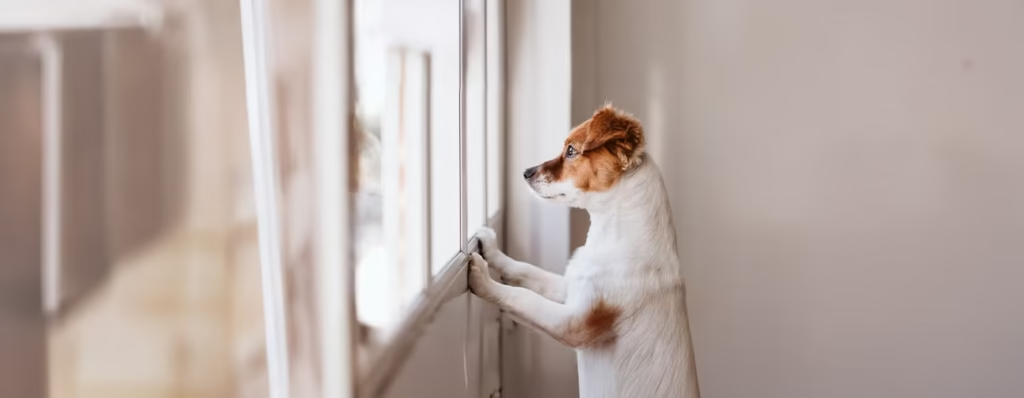
How to Spot Separation Anxiety at Home
Indoor pets often hide their anxiety, but you can notice the signs if you pay attention. Common clues include loud vocalizing (meowing, barking, or chirping) that starts as soon as you walk out the door, pacing back and forth, running from window to window, not eating or drinking while you are away (food bowl still full when you return), accidents outside the litter box or cage, excessive grooming that creates bald patches, destructive behavior like chewing doors or knocking things over, and very excited or clingy greeting when you come back home. Many pets also follow you from room to room when you are home and get upset when you go to the bathroom or close a door. The easiest way to confirm is to use your phone to record a short video when you leave the house. Watching the video often shows exactly what happens when you are not there, and it helps you see the real level of stress.
Why Indoor Pets Develop Separation Anxiety
It can happen for many simple reasons. Some pets were rescued or moved to a new home. Others spent too much time with you during holidays or remote work and now feel lost when you return to a normal schedule. Naturally sensitive animals or those that were the only young in their litter can be more prone to it. Big changes such as a new baby, new pet, or moving house can also trigger anxiety. Pets that never learned to be alone as babies often struggle the most. Because indoor pets depend completely on you for company and stimulation, any sudden increase in alone time can feel scary. The good news is that you can teach your pet to feel safe when alone, even if the anxiety is already present.
Simple Home Routines to Reduce Anxiety
Here are easy things you can start today:
Create a safe “alone zone” — choose one quiet corner or room with your pet’s bed, a few favorite toys, water, and a litter box or cage area. Put a piece of your worn clothing (with your smell) in the bed so your pet feels comforted.
Practice short “alone time” training: leave the room for 10 seconds, then return calmly without big greetings. Give a treat only when your pet stays calm. Slowly increase the time over days and weeks.
Use special “alone time” toys: give a puzzle feeder or lick mat filled with food only when you leave. Your pet learns that being alone means something good happens.
Keep departures and arrivals calm: when leaving, don’t say goodbye with hugs or talk. When returning, ignore your pet for the first few minutes, then greet them calmly. This teaches them that your coming and going is normal.
Leave soft background noise: play calm music or nature sounds at low volume. A pheromone diffuser (Feliway or similar pet-safe version) in the main room can also help many pets feel more relaxed.
Daily Habits That Help Your Pet Feel More Secure
Play with your pet for 10–15 minutes before you leave the house — a tired pet is a calmer pet.
Feed them their main meal just before you go out so they feel full and sleepy.
Give them a small treat puzzle right before leaving.
Keep the house routine the same every day so your pet knows what to expect.
If you work long hours, set up two or three safe zones in different rooms so your pet can move around comfortably.
Simple Weekly Checklist You Can Follow
Monday: Practice 5-minute alone time training.
Wednesday: Refresh the safe zone with a new toy and your old shirt.
Friday: Clean the litter box or cage extra well and add pheromone spray.
Sunday: Do a longer 30–60 minute alone time session and watch a short video to check progress.
Special Tips for Different Pets
Dogs and cats often respond well to puzzle toys and background noise. Rabbits and guinea pigs like a safe pen with hay and hiding spots. Hamsters and small rodents benefit from a wheel and tunnels in their cage. Birds do better with music and foraging toys. Young pets learn faster, while senior pets need gentler, shorter training steps because they tire more easily.
Common Mistakes and Easy Fixes
Making big emotional goodbyes — fix: practice leaving without any fuss.
Punishing accidents — fix: clean with enzymatic cleaner and ignore the accident.
Leaving the pet alone for many hours suddenly — fix: build the time gradually.
Giving treats when the pet is vocalizing — fix: only reward quiet, calm behavior.
When to Get Extra Help
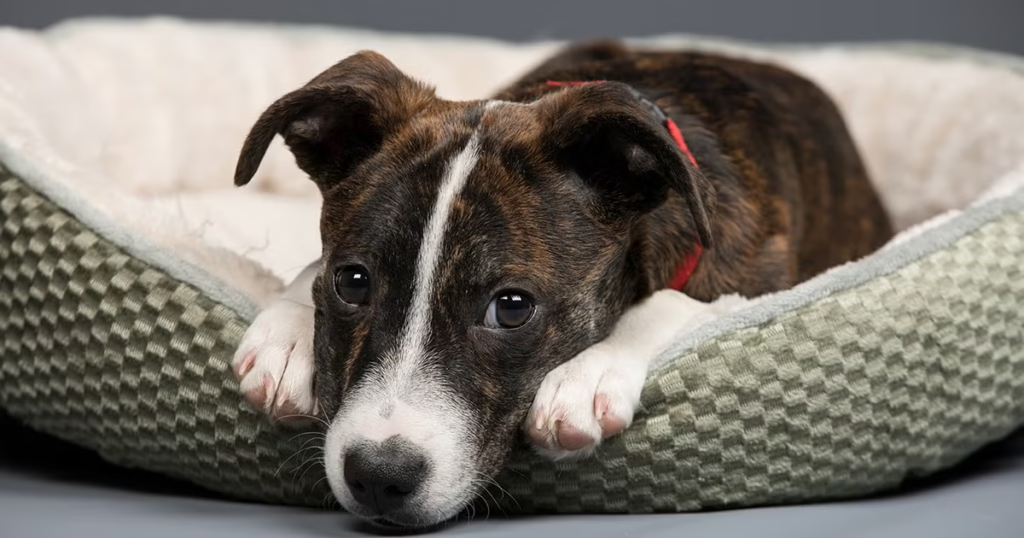
If your pet is still very stressed after 4–6 weeks of these home routines (not eating, constant vocalizing, or hurting themselves), talk to your vet. Sometimes a short period of medicine plus the home training works very well.
In conclusion, separation anxiety in indoor pets is something you can improve a lot at home with simple, consistent routines. Creating a safe zone, practicing short alone times, using special toys, keeping calm departures, and playing before you leave are all easy habits that any pet owner can do. These small daily actions help your pet feel safe and confident even when you are not there. You don’t need expensive things — just patience, treats, and a few minutes a day. Start today with the shortest alone-time exercise (just 10 seconds) and add a little more every day. Within a few weeks you will probably see your pet becoming calmer, eating better, and having fewer accidents. A pet that feels secure when alone is a happier pet and a much more relaxed companion. These home tips are simple but very effective. Your pet will thank you with more peaceful days, less stress, and lots of loving interaction when you return. Separation anxiety can get much better — and you are the perfect person to help your indoor pet learn to feel safe at home.