The first six months of a puppy’s life are the most critical and exciting period you will ever share with your dog. Everything you do in these early weeks and months shapes their personality, confidence, health, and behavior for the rest of their life. Bringing a new puppy home is like welcoming a tiny, energetic toddler who doesn’t speak your language yet. They need constant guidance, patience, love, and structure. This complete 2026 guide covers every major aspect of puppy care during the first six months — from the moment you pick them up to the day they turn into a more settled young adult. Follow these steps and you will raise a well-adjusted, happy, and healthy dog.
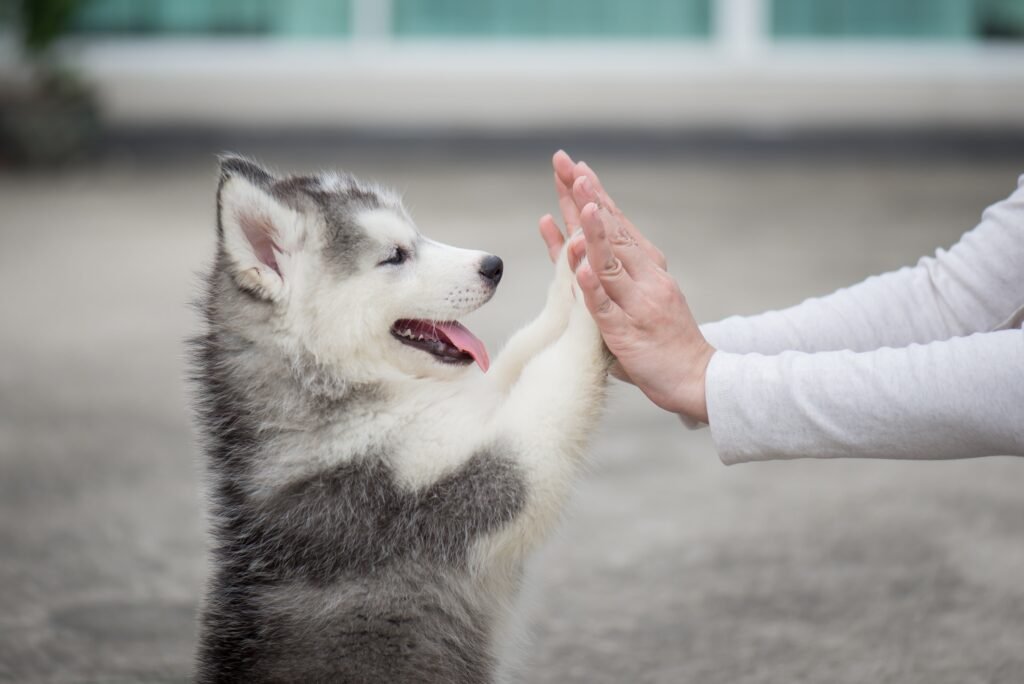
Week 1–2: The First Days at Home
The first 48 hours are all about security and routine. Puppy-proof your entire house before arrival: secure electrical cords, remove toxic plants (like lilies or chocolate), lock away cleaning products, and block staircases with baby gates. Set up a small, safe “puppy zone” with a crate, soft bed, pee pads or outdoor access, water bowl, and a few safe toys. Keep the environment quiet and calm — no big parties or overwhelming visitors right away.
Choose a consistent schedule immediately. Puppies need to eat three to four times a day, sleep 18–20 hours daily, and go potty every 1–2 hours (plus after every meal, nap, and play session). Take them outside to the same potty spot every time and use the same cue word (“Go potty”). Praise and treat the instant they finish so they learn fast. Expect accidents — never punish them. Clean with enzymatic cleaner so they don’t return to the same spot.
Feeding and Nutrition (Months 1–6)
Feed high-quality puppy food formulated for large or small breeds depending on your pup’s expected adult size. Puppies grow incredibly fast and need balanced protein, fat, calcium, and DHA for brain development. Follow the package guidelines but weigh your puppy weekly and adjust portions so they stay lean — rapid weight gain can damage developing joints. Transition slowly if changing brands. Always provide fresh water. By month 4–5 you can start reducing to three meals, and by six months most puppies move to two meals a day.
House Training and Crate Training
Crate training is one of the best gifts you can give your puppy. Make the crate a positive “den” with soft bedding and treats. Never use it as punishment. Feed meals inside, close the door for short periods while you are home, and gradually increase alone time. Most puppies learn to hold their bladder longer as they grow — the general rule is one hour per month of age plus one (so a 3-month-old can hold about 4 hours). Take them out at night every 2–3 hours until they are reliable.
Socialization: The Critical Window (Up to 16 Weeks)
Between 8 and 16 weeks your puppy’s brain is like a sponge. Expose them safely to as many new people, dogs, sounds, surfaces, and environments as possible. Positive experiences only — never force them. Enroll in a well-run puppy socialization class. Invite friends over. Take short car rides. Let them hear vacuum cleaners, doorbells, and kids playing from a distance. Well-socialized puppies become confident adults who are less likely to develop fear or aggression later.
Vaccinations and Veterinary Care
Follow a proper vaccination schedule starting at 6–8 weeks. Core vaccines (distemper, parvovirus, adenovirus, parainfluenza) are given every 3–4 weeks until 16 weeks, with a booster at 12 months. Deworming starts at 2 weeks and continues regularly. Your first vet visit should happen within 72 hours of bringing the puppy home for a full check-up, fecal test, and initial shots. Discuss flea/tick/heartworm prevention, microchipping, and spay/neuter timing (usually between 4–6 months for most breeds, earlier for toy breeds).
Training Basics and Obedience
Start gentle positive-reinforcement training from day one. Teach name recognition, “Sit,” “Come,” “Leave it,” and “Drop it.” Use tiny treats and keep sessions to 3–5 minutes, several times a day. Puppies have short attention spans, so make it fun. Introduce a consistent daily routine: potty, breakfast, play, nap, training, dinner, play, potty, bedtime. Consistency prevents confusion and builds good habits early.
Teething and Chewing (Months 3–6)
Teething usually peaks between 12 and 24 weeks. Puppies chew everything because their gums hurt and new teeth are coming in. Provide safe, long-lasting chews (rubber Kongs stuffed with frozen peanut butter, Benebones, or vet-approved dental chews). Redirect from furniture or shoes immediately with a toy and praise. Bitter apple spray or puppy deterrents can help on forbidden items. Never give old shoes or socks — they won’t understand the difference between old and new ones.
Exercise, Play, and Mental Stimulation
Puppies need play but not long forced walks. Follow the 5-minute rule: no more than 5 minutes of structured exercise per month of age to protect growing joints. Short play sessions, gentle tug, fetch in the yard, and puzzle toys are perfect. Mental stimulation is just as important — use food-dispensing toys, scatter feeding, and simple scent games. Tired puppies sleep better and chew less.
Sleep and Nighttime Routine
Puppies sleep a lot. Create a calm bedtime routine: last potty trip, dim lights, a special chew toy in the crate, and white noise if needed. Expect to wake up 1–2 times at night for potty until they are 4–5 months old. Place the crate near your bed so they feel secure but not on your bed (this prevents future sleep problems).
Common Challenges and How to Handle Them
Biting and nipping are normal but must be managed. Say “Ouch!” in a high-pitched voice and walk away for 10 seconds. Mouthing on hands stops faster when you offer a toy instead. Separation anxiety can start early — practice short alone times from week 2. If your puppy seems lethargic, has diarrhea, vomiting, or loss of appetite, contact your vet immediately. Parvovirus is especially dangerous in unvaccinated puppies.
Health Monitoring and Grooming
Check ears, eyes, teeth, and paws daily. Brush your puppy gently every day so they get used to handling. Trim nails weekly. Bathing is rarely needed before 12 weeks — use a damp cloth or puppy wipes instead. Start tooth brushing around 8–12 weeks with enzymatic toothpaste.
Milestones by Month
• Month 1–2: House training, basic commands, socialization begins.
• Month 3–4: Teething starts, more independence, puppy classes recommended.
• Month 5–6: Adult teeth coming in, longer alone time possible, basic obedience solidifies.
In conclusion, the first six months are an investment. The time, patience, and love you give now will determine whether you have a confident, well-mannered adult dog or one with ongoing issues. Stay consistent, use positive methods only, and enjoy every moment — puppies grow up fast. Document the journey with photos and videos. Celebrate small wins like the first accident-free day or the first perfect “Sit.” Work closely with your veterinarian and a positive-reinforcement trainer if needed. By the end of month six you will have a young dog that is house-trained, socialized, healthy, and deeply bonded to you. These early months are challenging but incredibly rewarding. You are not just raising a puppy — you are building a lifelong best friend. Start strong, stay patient, and watch your puppy blossom into an amazing companion.