Preventing Fleas, Ticks, and Mange in Dogs
Parasite prevention is one of the most important responsibilities of every dog owner. Fleas, ticks, and mange not only make your dog miserable with constant itching and discomfort, but they can also transmit serious diseases, cause allergic reactions, lead to anemia, and create expensive secondary infections. In 2026, effective prevention is easier and more convenient than ever, with long-lasting monthly treatments, 6- and 12-month injectables, and smart home solutions. The key is year-round protection combined with good habits at home. This complete guide explains how fleas, ticks, and different types of mange affect dogs, how to prevent them effectively, what to do if an infestation occurs, and how to keep your pet (and your home) protected all year long.
Understanding the Threats
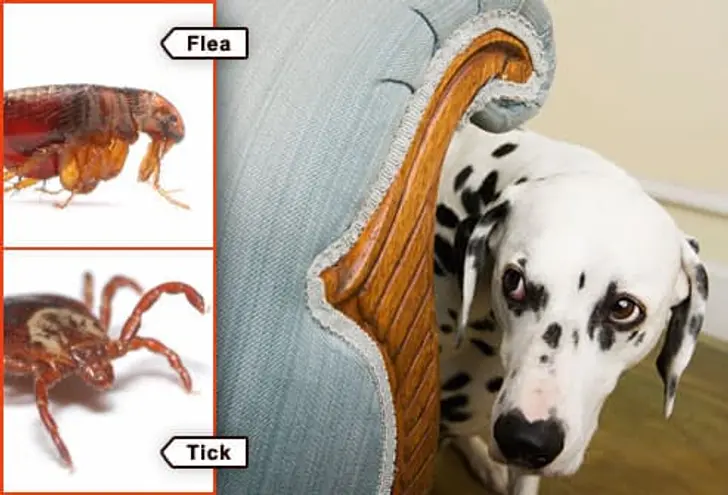
Fleas are tiny, wingless insects that jump from host to host. A single female flea can lay up to 50 eggs per day, which fall into your carpet, furniture, and yard, creating an infestation that can last for months even after the adult fleas are gone. Flea bites cause intense itching, hair loss, hot spots, and flea allergy dermatitis — a severe allergic reaction in many dogs. Fleas also transmit tapeworms and, in heavy infestations, can cause life-threatening anemia in puppies and small dogs.
Ticks are arachnids that attach to the skin and feed on blood for days. They are especially dangerous because they carry Lyme disease, ehrlichiosis, anaplasmosis, babesiosis, and Rocky Mountain spotted fever. Ticks are most active in spring, summer, and fall, but in warmer climates they can be a year-round problem.
Mange is caused by mites. There are two main types:
- Sarcoptic mange (highly contagious, extremely itchy, often starts on ears, elbows, and belly)
- Demodectic mange (usually not contagious, caused by overgrowth of mites that normally live on the skin, more common in puppies or dogs with weakened immune systems)
Both cause severe itching, hair loss, crusting, and secondary bacterial infections if not treated quickly.
Year-Round Prevention Strategy
The best defense is a veterinarian-recommended monthly or long-acting preventive. In 2026, the most effective options include:
- Oral chews (Bravecto, NexGard, Simparica) that kill fleas and ticks for 1–3 months per dose.
- Topical spot-on treatments (Frontline Plus, Advantage Multi, Revolution Plus) that also protect against heartworm, intestinal worms, and some mites.
- Injectable preventives (like Bravecto Injectable or ProHeart) that last 6 or 12 months — ideal for owners who sometimes forget monthly doses.
Choose a product that covers fleas, ticks, heartworm, and intestinal parasites based on where you live. Your vet will tailor the choice to your dog’s age, weight, breed, lifestyle (indoor/outdoor), and local parasite risk. Never use over-the-counter or old products — many are now ineffective due to resistance. Always buy from licensed veterinarians or reputable pharmacies to avoid counterfeits.
Environmental Control — The Secret to Success
Even the best medication on your dog won’t work if your home and yard are full of eggs and larvae. Vacuum daily (especially under furniture, along baseboards, and in pet bedding), wash all bedding, blankets, and toys in hot water every week, and use a pet-safe insect growth regulator (IGR) spray like those containing pyriproxyfen or methoprene. For yards, keep grass short, remove leaf litter, and consider pet-safe yard sprays or nematodes that eat flea larvae. In severe cases, professional pest control services that specialize in pet-safe treatments are worth the investment.
Daily and Weekly Habits
- Check your dog thoroughly after every walk or outdoor time — run your hands through the coat, especially around the neck, armpits, groin, and base of the tail.
- Use a fine-tooth flea comb regularly; it catches fleas and their dirt (which looks like black pepper).
- Bathe your dog with a gentle flea shampoo only when needed — over-bathing can dry the skin and reduce the effectiveness of topical preventives.
- Keep your dog’s living area clean and avoid contact with stray or wild animals that may carry parasites.
Special Situations
Puppies, pregnant dogs, and seniors need extra care. Puppies can start most preventives at 8 weeks (or earlier for some products). Pregnant or nursing mothers should only use products labeled safe by a vet. Dogs with chronic illnesses or weakened immune systems may need different options. If you travel, board your dog, or visit dog parks, increase vigilance and consider extra protection.
What to Do If You Already Have an Infestation
If you find fleas or ticks, act fast. Give a fast-acting adulticide (many monthly preventives kill adults within hours), treat the entire environment, and repeat vacuuming and washing for at least 4 weeks. For mange, your vet will diagnose the type (via skin scrapings) and prescribe medicated dips, oral ivermectin (for sarcoptic), or topical treatments like Advantage Multi or Bravecto. Never use ivermectin in certain breeds (Collies, Australian Shepherds) without genetic testing because it can be toxic. Follow-up visits are essential because mange can take weeks to clear completely.
Common Myths and Mistakes
- “My indoor dog doesn’t need prevention” — wrong. Fleas can hitchhike on your shoes or clothing.
- “I only treat in summer” — many areas now have year-round risk due to climate change.
- Using natural remedies alone (essential oils, garlic, vinegar) — these are not reliable and can be dangerous.
- Stopping treatment once you stop seeing fleas — the environment may still be infested.
- Using dog products on cats or vice versa — many are toxic to the other species.
When to Call the Vet Immediately
Heavy scratching, hair loss in patches, red inflamed skin, lethargy, pale gums (sign of anemia), or visible ticks attached for more than 24 hours require prompt veterinary attention. Early treatment prevents complications and makes eradication much easier.
In conclusion, preventing fleas, ticks, and mange is a combination of modern veterinary medications, strict environmental control, daily habits, and regular vet check-ups. By staying consistent with a high-quality preventive and keeping your home clean, you can almost completely eliminate the risk of these parasites. Your dog will be far more comfortable, healthier, and happier without the constant itch and danger of disease transmission. Prevention is always cheaper, easier, and kinder than treatment. Make parasite control part of your monthly routine — just like heartworm and vaccinations — and you will give your dog one of the best gifts possible: a life free from the misery these tiny invaders can cause. Talk to your veterinarian today to choose the perfect protection plan for your dog’s lifestyle, and enjoy peace of mind knowing you are doing everything possible to keep your furry family safe.