Caring for a senior dog is one of the most rewarding and emotionally meaningful phases of pet ownership. Once your dog reaches approximately 7–8 years old (or earlier for large/giant breeds), they enter their golden years. While aging brings some natural changes — slower movement, graying muzzle, occasional stiffness — with the right care your senior dog can still enjoy a high quality of life, remain active, and stay deeply bonded to you. Senior care is about adapting your routine to their changing needs while celebrating the years you have left together. This complete 2026 guide covers everything you need to know: nutrition, exercise, health monitoring, comfort adjustments, mental stimulation, common age-related conditions, and how to make their later years truly golden.
When Is a Dog Considered Senior?
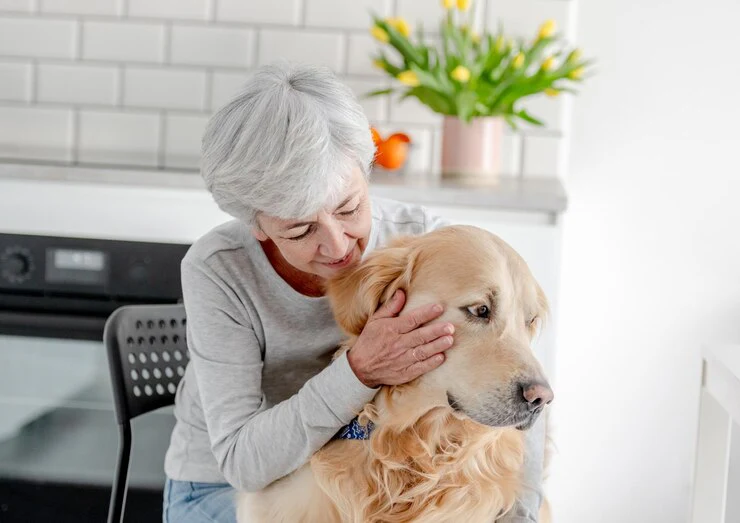
The exact age varies by size and breed. Small dogs (under 10 kg) often reach senior status around 10–12 years. Medium dogs around 8–9 years. Large and giant breeds (like Great Danes or Mastiffs) may be senior as early as 6–7 years. Your veterinarian can give the most accurate assessment based on your dog’s breed, weight, and health history. The goal is to shift from “maintenance” care to “supportive” care before problems become serious.
Nutrition for Senior Dogs
Senior dogs need fewer calories but higher-quality nutrients. Switch to a senior-formula food that is lower in fat and calories but richer in easily digestible proteins, fiber, and joint-support ingredients like glucosamine, chondroitin, and omega-3 fatty acids (from fish oil). Many seniors benefit from smaller, more frequent meals (3–4 times a day) to avoid stomach upset and maintain steady energy.
Watch weight closely — obesity puts extra stress on aging joints and the heart. Use a body condition chart: you should feel the ribs easily but not see them. If your dog is losing weight unintentionally, it may signal dental issues, kidney problems, or other conditions. Consider senior wet food or adding warm water/broth to kibble for dogs with dental problems or reduced appetite. Supplements such as joint formulas, probiotics for digestion, and antioxidants (for cognitive health) can be added after consulting your vet. Always transition foods gradually over 7–10 days.
Exercise and Mobility
Senior dogs still need daily movement, but shorter, gentler sessions are best. Aim for 2–4 short walks per day (10–20 minutes each) rather than one long strenuous walk. This keeps joints mobile, maintains muscle tone, and prevents stiffness. Use a harness instead of a collar to reduce neck strain.
Add low-impact activities: swimming or hydrotherapy (excellent for arthritis), gentle fetch with soft toys, or slow sniffing walks that provide mental stimulation without physical stress. Ramps or pet steps for cars, beds, and sofas prevent jumping injuries. If your dog has severe arthritis, your vet may recommend physical therapy, laser treatments, or acupuncture. Never push a senior dog past their comfort level — watch for limping, heavy panting, or reluctance to move.
Joint and Pain Management
Arthritis is extremely common in older dogs. Look for early signs: slower to stand up, reluctance to climb stairs, stiffness after naps, or “bunny hopping” gait. Veterinary-approved joint supplements, prescription anti-inflammatory medications (like carprofen or gabapentin), and weight management are the foundation of treatment. Many owners also use CBD oil, fish oil, or green-lipped mussel supplements with excellent results. Regular vet check-ups every 6 months (instead of yearly) allow early detection and better pain control.
Cognitive Health and Mental Stimulation
Many senior dogs experience canine cognitive dysfunction (CCD), similar to dementia in humans. Signs include disorientation, house-training accidents, changed sleep patterns, staring at walls, or anxiety at night. Keep the brain active with puzzle toys, scent games, short training sessions for old or new commands, and food-dispensing toys. Maintain a very consistent daily routine — dogs with CCD thrive on predictability. Calming aids, pheromone diffusers, and specially formulated senior diets with brain-boosting nutrients (DHA, antioxidants) can help slow cognitive decline.
Comfort and Home Adjustments
Make small changes that make a big difference:
- Orthopedic memory-foam beds (heated versions are wonderful in winter)
- Non-slip rugs or runners on slippery floors
- Raised food and water bowls to reduce neck strain
- Night lights for dogs with vision loss
- Baby gates to limit access to stairs if needed
- Extra blankets or sweaters for dogs with thin coats or poor circulation
Grooming becomes even more important. Brush more frequently to distribute natural oils and prevent mats. Check skin for lumps, bumps, or hot spots. Trim nails more often because seniors walk less and nails can overgrow.
Veterinary Care and Regular Monitoring
Schedule wellness visits every 6 months. Bloodwork, urine tests, and blood pressure checks catch kidney disease, liver issues, diabetes, heart problems, and cancer early. Senior blood panels often include thyroid testing and cancer screening markers. Discuss quality-of-life assessments with your vet — tools like the HHHHHMM scale (Hurt, Hunger, Hydration, Hygiene, Happiness, Mobility, More good days than bad) help make informed decisions about ongoing treatment.
Common Senior Conditions and What to Watch For
- Arthritis and mobility loss
- Heart disease (coughing, fatigue)
- Kidney or liver disease (increased thirst/urination, weight loss)
- Dental disease (bad breath, dropping food)
- Vision or hearing loss (startling easily, bumping into things)
- Cancer (lumps, unexplained weight loss)
- Incontinence (more common in spayed females)
Never assume “it’s just old age.” Many conditions are manageable with medication, diet, or surgery.
Emotional and Social Needs
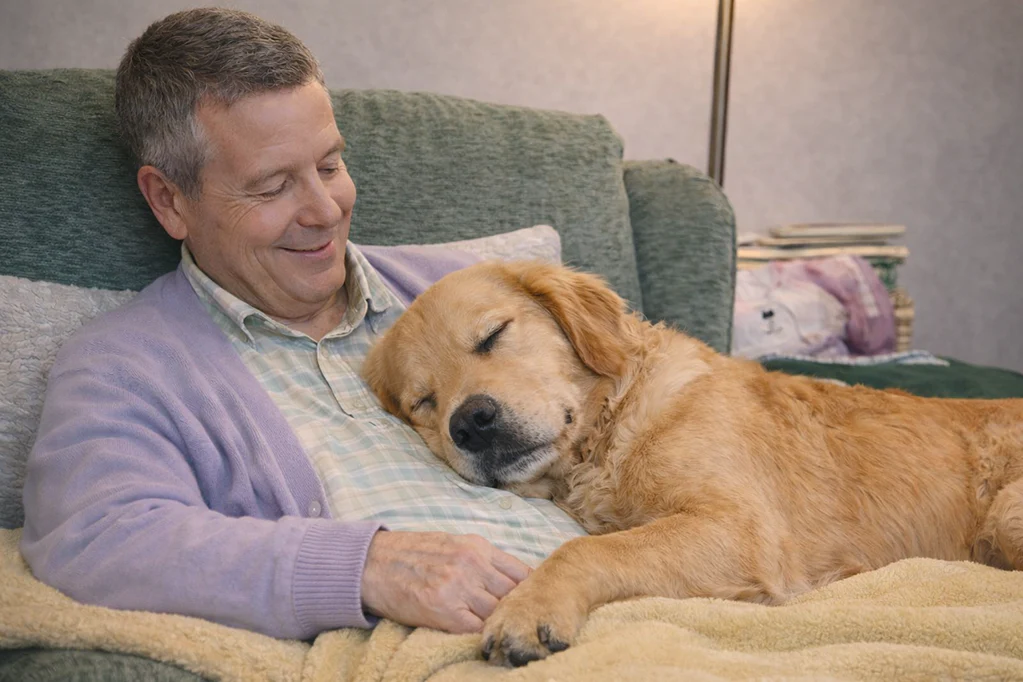
Senior dogs still crave love and attention. Extra gentle cuddles, short play sessions, and including them in family activities keep them happy. Some seniors become more clingy or anxious — maintain calm routines and consider a companion animal if appropriate. Celebrate their age with “senior birthdays” and plenty of praise.
End-of-Life Planning
While difficult to think about, discuss hospice care, at-home euthanasia options, and quality-of-life decisions with your vet ahead of time. Many owners find comfort in keeping a journal of good days and creating a bucket list of favorite activities while their dog is still able to enjoy them.
In conclusion, senior dog care is about adaptation, compassion, and making every remaining day count. With the right nutrition, gentle exercise, regular veterinary support, home modifications, and lots of love, many dogs live happy, comfortable lives well into their teens. Your senior dog has given you years of unconditional love — now it is your turn to make their golden years truly special. Stay observant, communicate closely with your veterinarian, and cherish the slower walks, extra cuddles, and quiet moments together. Aging is a natural part of life, and with thoughtful care you can help your dog age gracefully and with dignity. The bond you share in these years often becomes the deepest and most meaningful of all.