Snakes are among the most intriguing animals on the planet. At the same time that they arouse fear in many people, they also spark enormous curiosity because of their unique characteristics. Belonging to the suborder Serpentes, within the reptile group, they have existed for millions of years and have developed surprising adaptations that have ensured their survival in different environments.
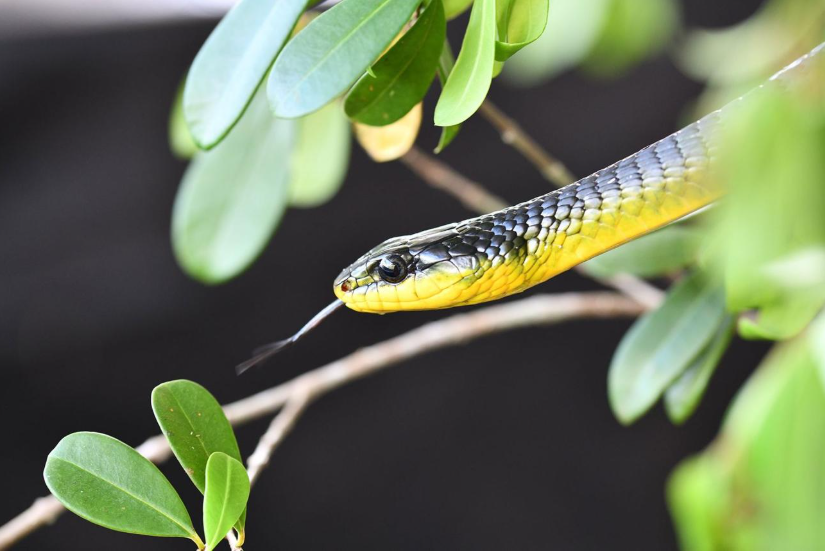
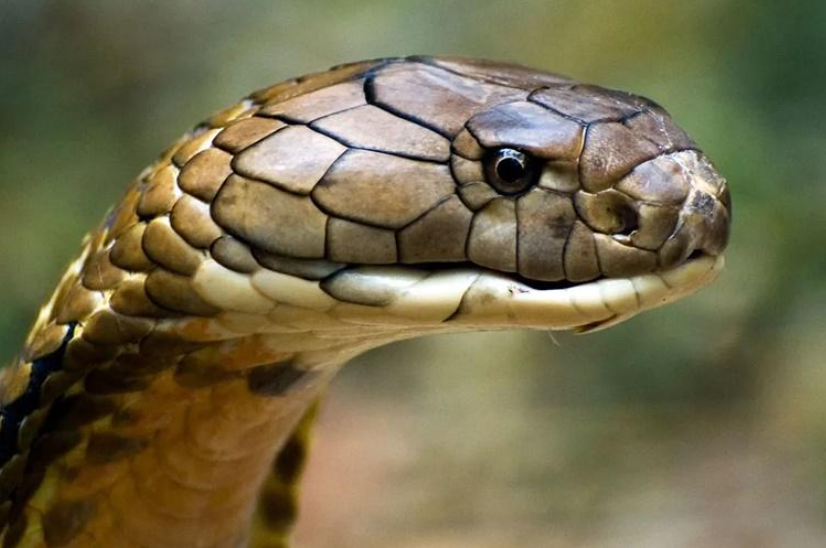
Currently, there are more than 3,900 known species of snakes spread around the world. They live in forests, deserts, rivers, swamps, oceans, and even urban areas. In Brazil, there is a huge variety, including famous species such as the anaconda, jararaca, rattlesnake, and coral snake.
One of the first curiosities is that snakes do not have movable eyelids. Unlike humans and many other animals, they do not blink. Their eyes are protected by a kind of transparent scale called a brille, which works as a permanent protective lens. This gives the impression that they are always staring.
Another impressive curiosity is their forked tongue. It is not used to sting or hurt, but rather works as a “chemical sensor.” When a snake sticks out its tongue, it collects particles from the air and the environment. These particles are then analyzed by the Jacobson’s organ, allowing the snake to detect smells, prey, and even the direction of a nearby animal.
A curiosity that surprises many people is that some snakes can “see heat.” Species such as pit vipers and rattlesnakes have loreal pits, small organs located between the eyes and nostrils, capable of detecting the body heat of other animals. This is especially useful for hunting at night.
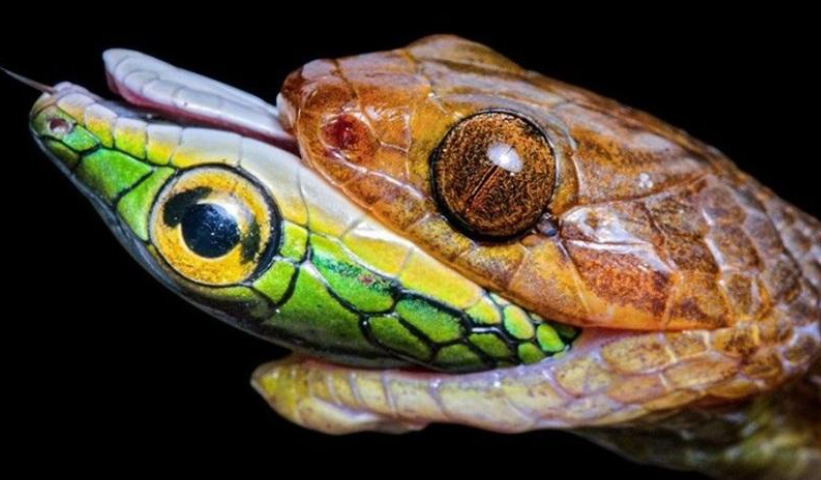
Snakes also have extremely flexible jaws. Many people say they “dislocate their jaw,” but the more accurate explanation is that their bones are connected by elastic ligaments, allowing an extremely wide opening. Thanks to this, they can swallow prey much larger than their own head.
Another fascinating curiosity is that a snake’s digestion is extremely powerful. Their digestive acids can dissolve meat, bones, and even feathers or fur. In some cases, a snake can go weeks or even months without eating again after a large meal.
There is also the curiosity of skin shedding, called ecdysis. During growth, snakes shed the entire outer layer of their skin, often leaving it behind as if it were an “old outfit.” This process helps with growth, skin renewal, and parasite removal.
A very interesting curiosity is that not all snakes lay eggs. Some species are oviparous, laying eggs, while others are viviparous or ovoviviparous, giving birth to already formed young.
Among the largest snakes in the world is the anaconda, very well known in Brazil. It can exceed 6 meters in length and is an excellent swimmer. Despite its frightening size, it usually avoids contact with humans.
The rattlesnake is another species full of curiosities. Its famous rattle on the tail serves as a defense mechanism. When it feels threatened, it shakes its tail to emit a warning sound. Interestingly, this sound is meant to scare away possible predators.
Another curious fact is that snakes play a very important ecological role. They help control populations of rats and other small animals, preventing environmental imbalances and even the spread of diseases.
In some cultures, snakes symbolize wisdom, healing, and renewal. The symbol of medicine, for example, features a serpent wrapped around a staff.
In conclusion, snakes are extraordinary animals, full of incredible adaptations and surprising curiosities. Learning more about them helps reduce fear and understand their enormous importance in nature.
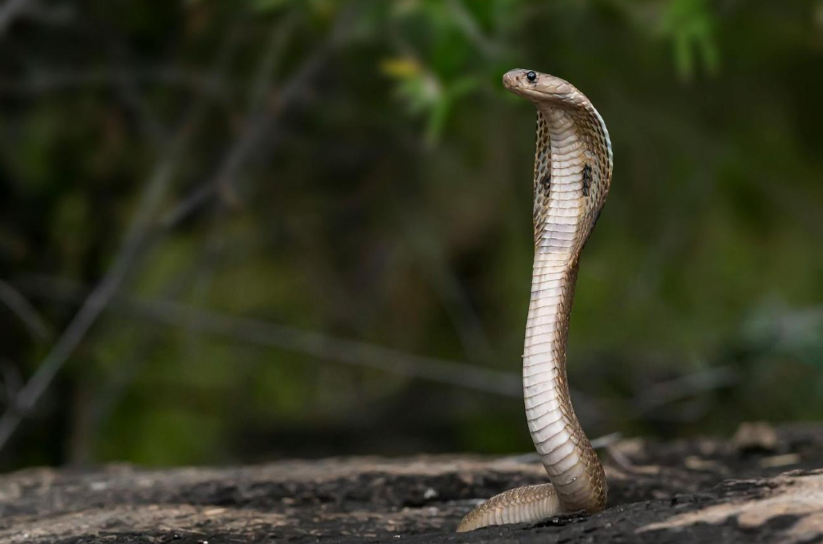
Extra Curiosities About Snakes
Curiosity 1: Some snakes can “fly”
It may sound unbelievable, but it is true! Some species, such as snakes of the genus Chrysopelea, found in Southeast Asia, can glide between trees. They do not fly like birds, but they launch themselves from high branches, flatten their bodies, and glide through the air for several meters. This helps them escape predators and also hunt.
Curiosity 2: Snakes feel vibrations through the ground
Even though they do not have external ears like humans, snakes can perceive sounds and movements through ground vibrations. For example, when someone walks nearby, they feel the vibrations through their body and jaw bones, which helps them identify the approach of animals or people.
Curiosity 3: Some snakes pretend to be dead
Some species use a very curious defense strategy: they pretend to be dead. An example is the hognose snake, which turns upside down, leaves its mouth open, and even releases an unpleasant smell to convince the predator that it is already dead.
Curiosity 4: There are extremely venomous sea snakes
Snakes do not live only on land. There are marine species that spend much of their lives in the ocean. Some of them, such as the beaked sea snake, have extremely potent venom. Despite this, they are generally calm animals and rarely attack humans.
Curiosity 5: Some snakes have vibrant colors to warn of danger
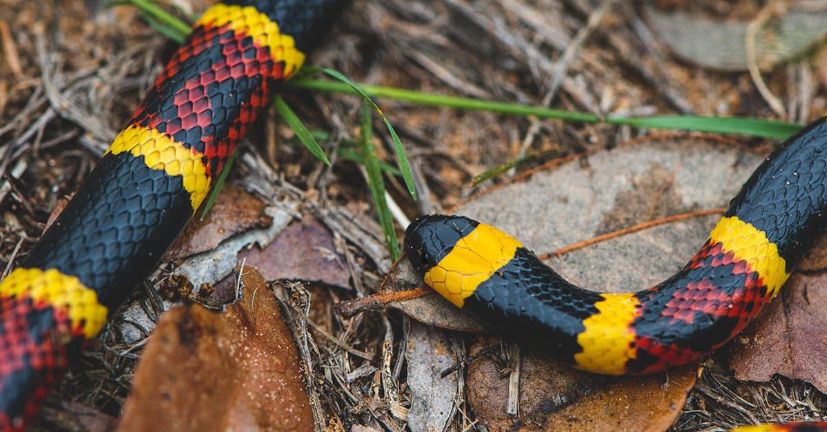
Snakes such as the true coral snake have very striking colors, such as red, black, and yellow. These colors serve as a natural warning to predators, indicating that the animal is venomous.
Curiosity 6: Snakes can survive a long time without food
A snake can go weeks or even months without feeding, especially after swallowing large prey. This happens because their metabolism is slower than that of many other animals.
Curiosity 7: Some species are tiny
Not all snakes are giants like the anaconda. There are very small species, such as Leptotyphlops carlae, considered one of the smallest in the world, measuring about 10 centimeters.
Curiosity 8: Some snakes lay eggs, others give birth
Not all snakes reproduce in the same way. Some species are oviparous, meaning they lay eggs, such as the coral snake. Others are viviparous or ovoviviparous, and the young are born directly from the mother’s body, as happens with some pit vipers and rattlesnakes.
Curiosity 9: Some snakes change color with age
In certain species, the skin color can change as the snake grows. Young snakes may have brighter colors or different patterns from adults. This happens, for example, in some boas and anacondas, whose markings may become darker or more defined over time.