Abstract
Octopuses are among the most cognitively advanced and biologically sophisticated invertebrates in the animal kingdom. Belonging to the class Cephalopoda and the order Octopoda, these marine organisms exhibit remarkable neurological complexity, advanced problem-solving abilities, dynamic camouflage systems, and highly specialized physiological adaptations. This article examines the anatomy, neurobiology, ecological role, reproductive strategy, and evolutionary significance of octopuses, emphasizing their relevance in marine biology and comparative cognition research.
6
1. Introduction
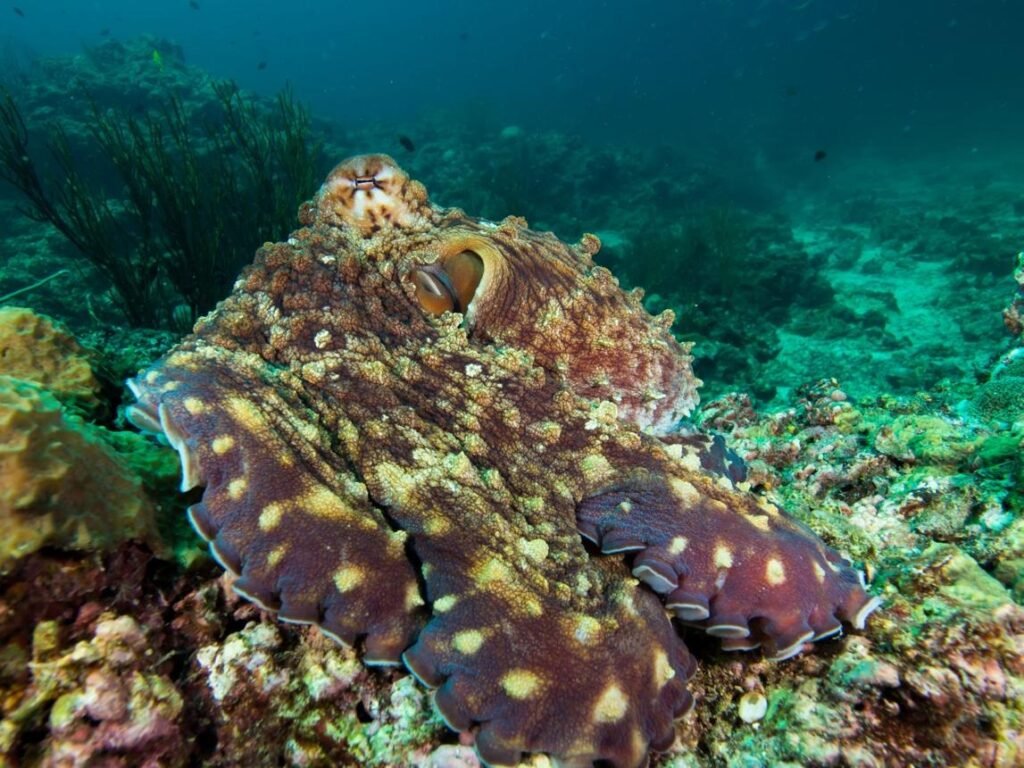
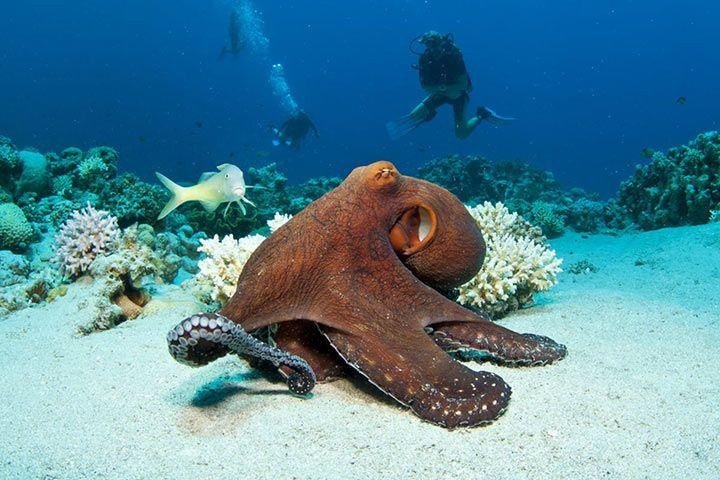
Octopuses are soft-bodied marine mollusks classified within the phylum Mollusca and subclass Coleoidea. Unlike most mollusks, octopuses lack an external shell, a feature that has likely contributed to the evolution of their extraordinary behavioral flexibility and defensive mechanisms.
More than 300 recognized species of octopuses inhabit oceans worldwide, ranging from shallow coral reefs to deep-sea ecosystems. Their broad ecological distribution and highly specialized physiological systems make them one of the most extensively studied invertebrate taxa in marine zoology.
From a scientific perspective, octopuses are of particular interest because they combine high neural complexity, advanced sensory integration, and behavioral plasticity, characteristics more commonly associated with vertebrates.
2. Anatomical and Physiological Characteristics
The octopus body plan is highly specialized for marine adaptation.
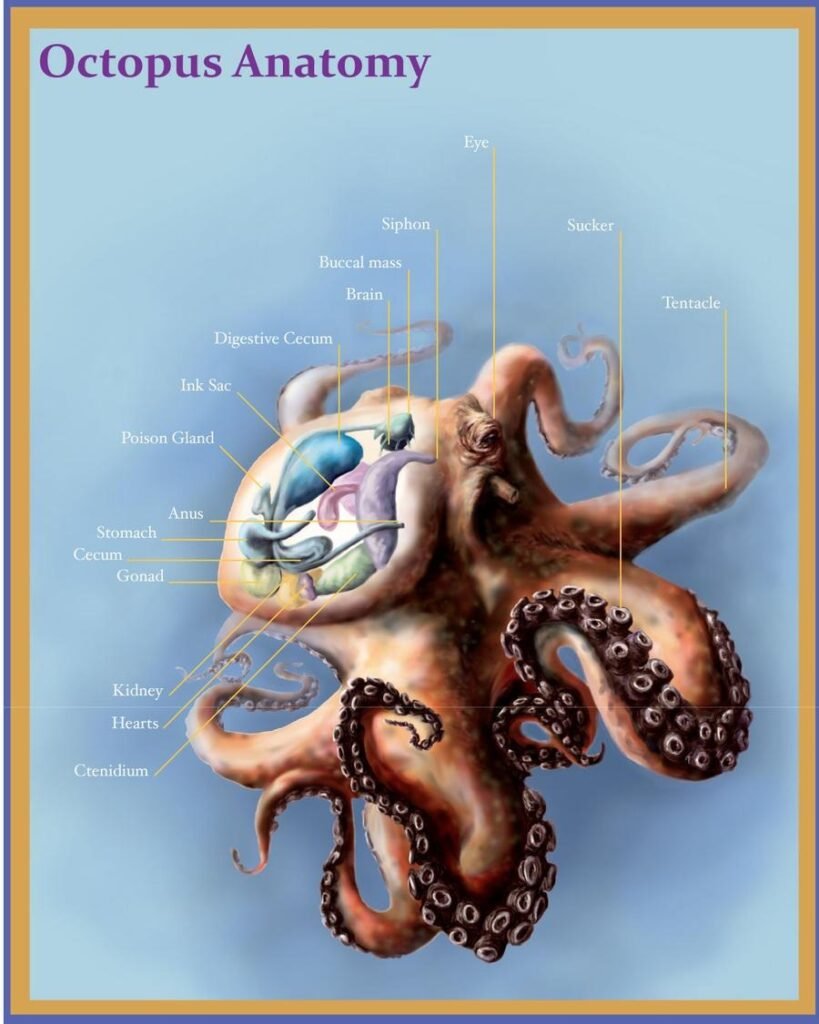
Its body is divided into three principal regions:
- mantle
- head
- eight arms
The mantle houses vital organs, including the digestive, respiratory, and reproductive systems.
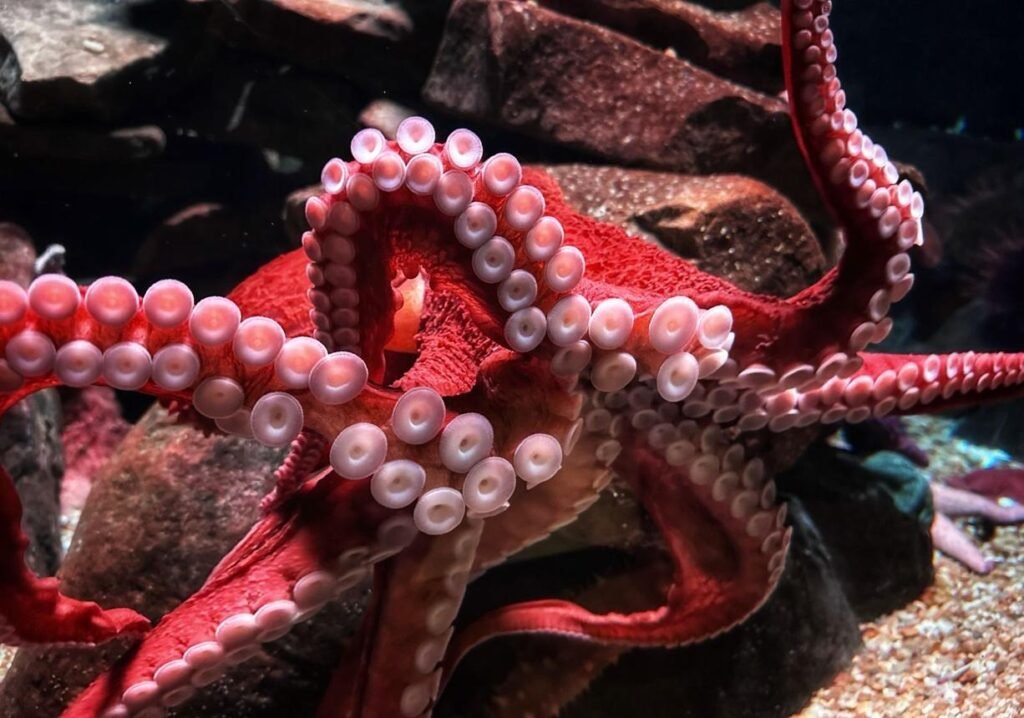
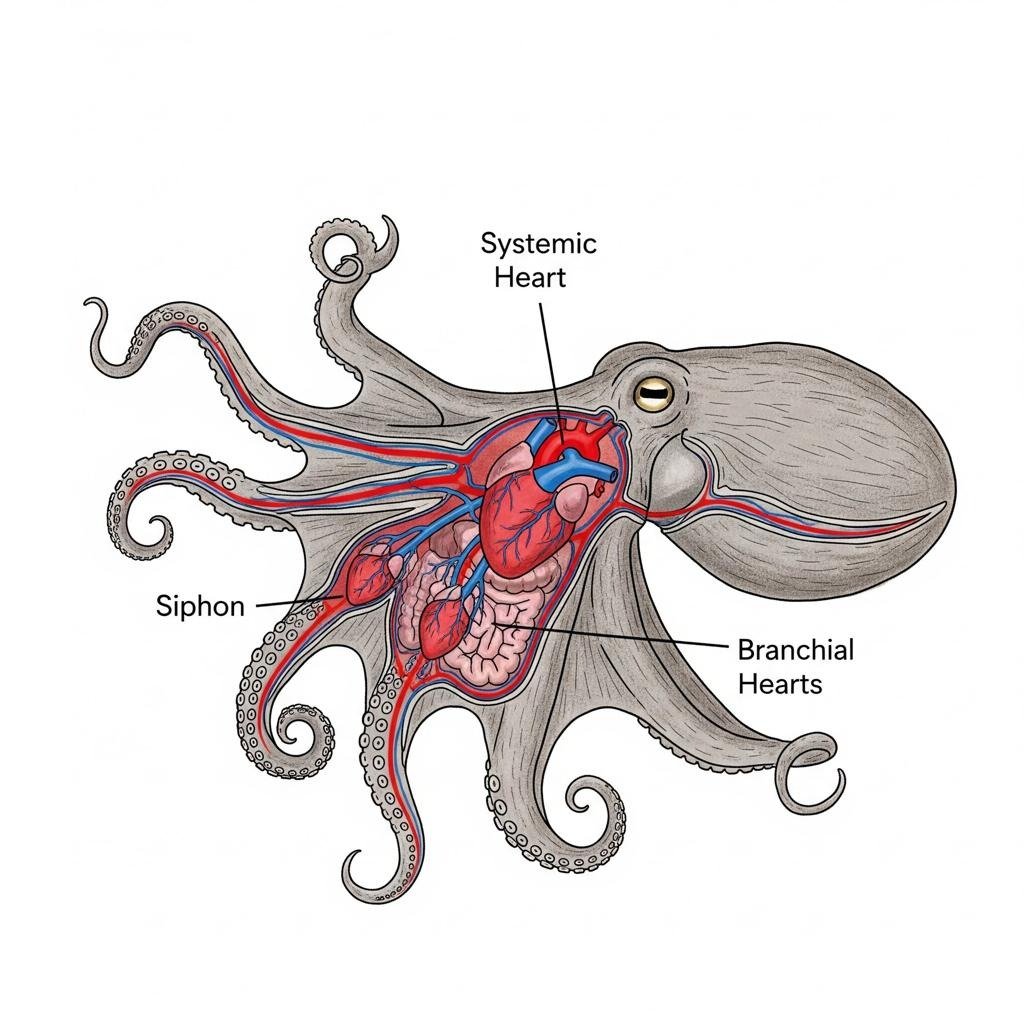
One of the most remarkable physiological traits is the presence of three hearts.
Two branchial hearts pump blood to the gills, while one systemic heart circulates oxygenated blood throughout the body.
6
Additionally, octopus blood contains hemocyanin, a copper-based oxygen transport protein, rather than hemoglobin.
This gives the blood a blue coloration and improves oxygen transport efficiency in cold and low-oxygen marine environments.
Another major anatomical feature is the absence of an internal skeleton.
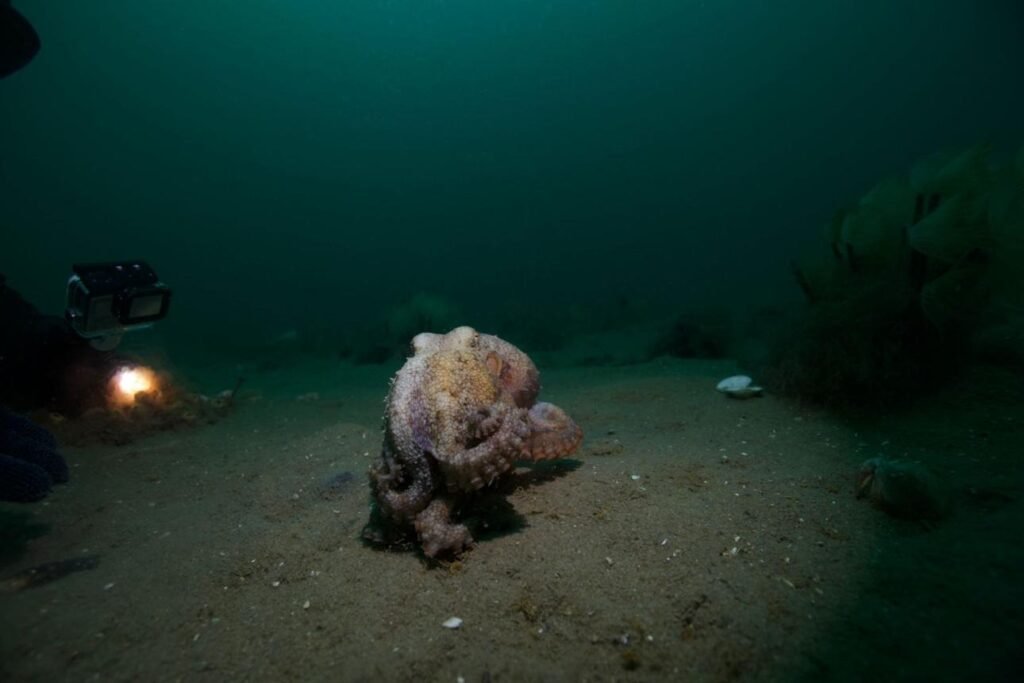
This soft-body morphology allows octopuses to pass through extremely narrow spaces, provided the opening is larger than their beak.
3. Neurobiology and Intelligence
One of the most scientifically significant aspects of octopus biology is its nervous system.
Octopuses possess one of the most complex nervous systems among invertebrates.
They have approximately 500 million neurons, a number comparable to some vertebrates.
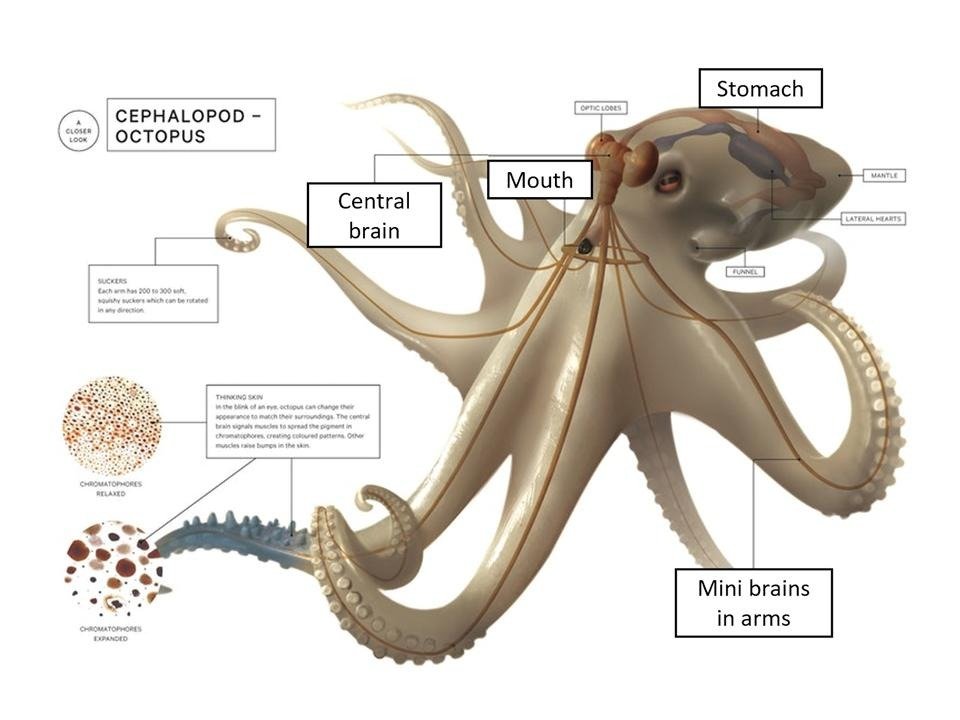
Remarkably, a substantial proportion of these neurons are distributed within the arms rather than centralized exclusively in the brain.
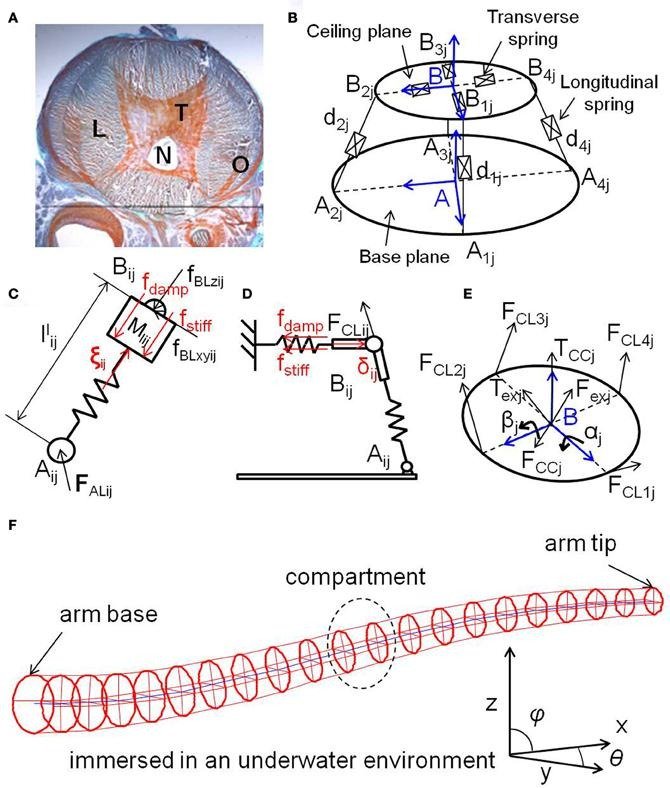
Each arm contains neural ganglia capable of semi-autonomous processing, allowing local decision-making and complex motor control.
6
This decentralized neural architecture has made octopuses central models in studies of distributed cognition and embodied intelligence.
Experimental studies have demonstrated:
- maze learning
- memory retention
- object manipulation
- observational learning
- problem-solving behavior
Several species can open jars, navigate puzzles, and distinguish shapes and textures.
These findings strongly support advanced cognitive function.
4. Adaptive Camouflage and Chromatophore System
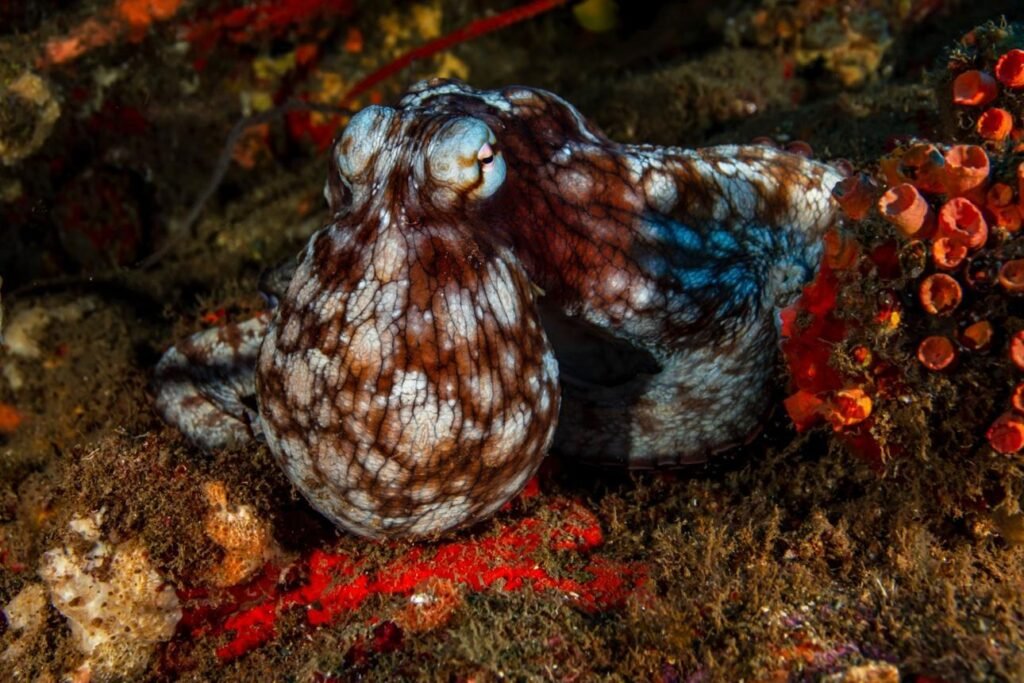
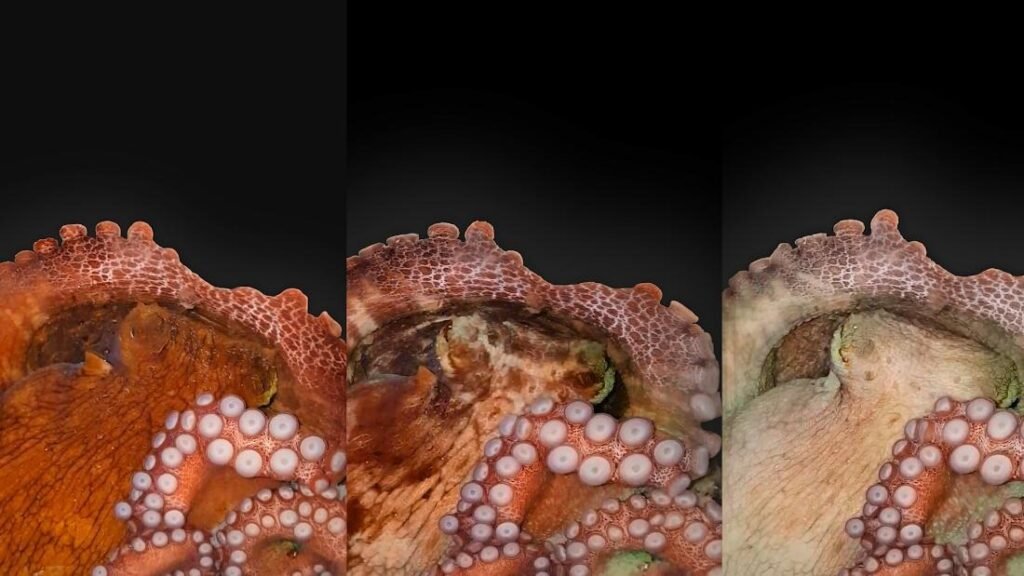
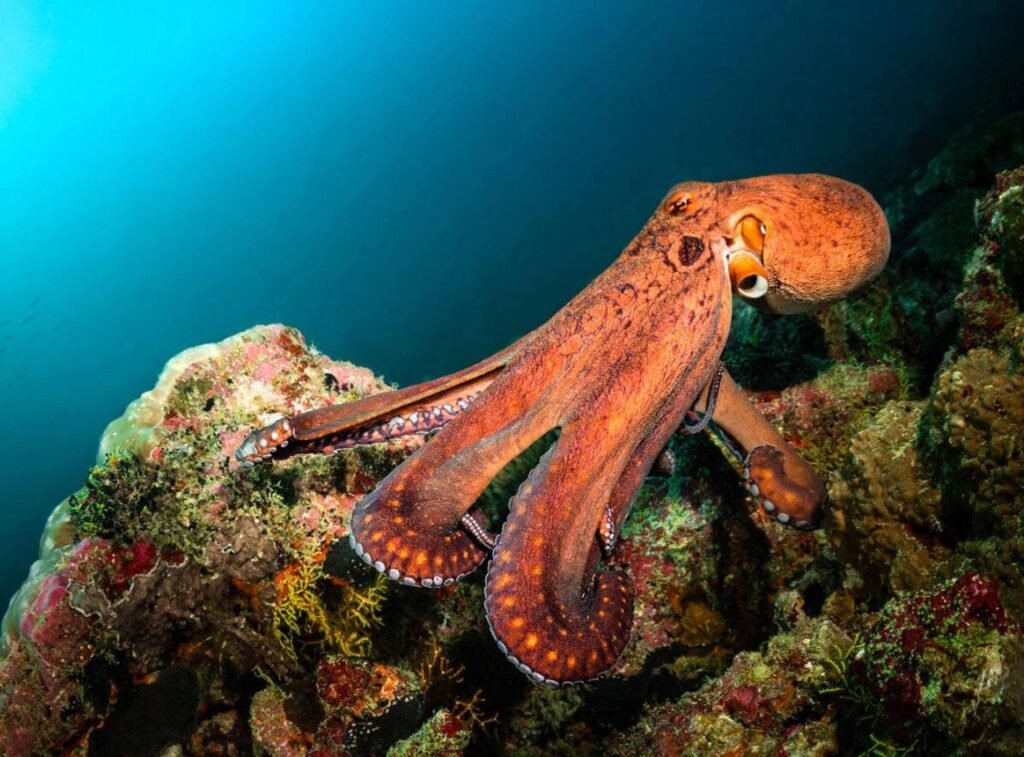
Perhaps the most iconic biological feature of octopuses is their ability to rapidly change color, texture, and body shape.
This process is mediated by specialized skin cells called chromatophores, iridophores, and leucophores.
Chromatophores contain pigment sacs controlled by muscular contraction.
When expanded or contracted, they produce rapid visible color changes.
Iridophores reflect light structurally, generating iridescent and metallic effects.
Leucophores assist in light diffusion and environmental matching.
6
This system enables near-instantaneous camouflage, predator avoidance, communication, and hunting concealment.
Some species can even mimic the appearance of other marine organisms.
The Mimic octopus is a well-known example.
5. Feeding Ecology and Predatory Behavior
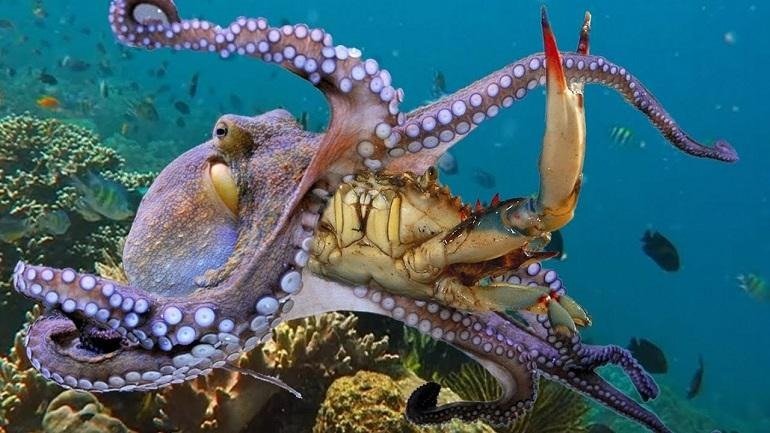
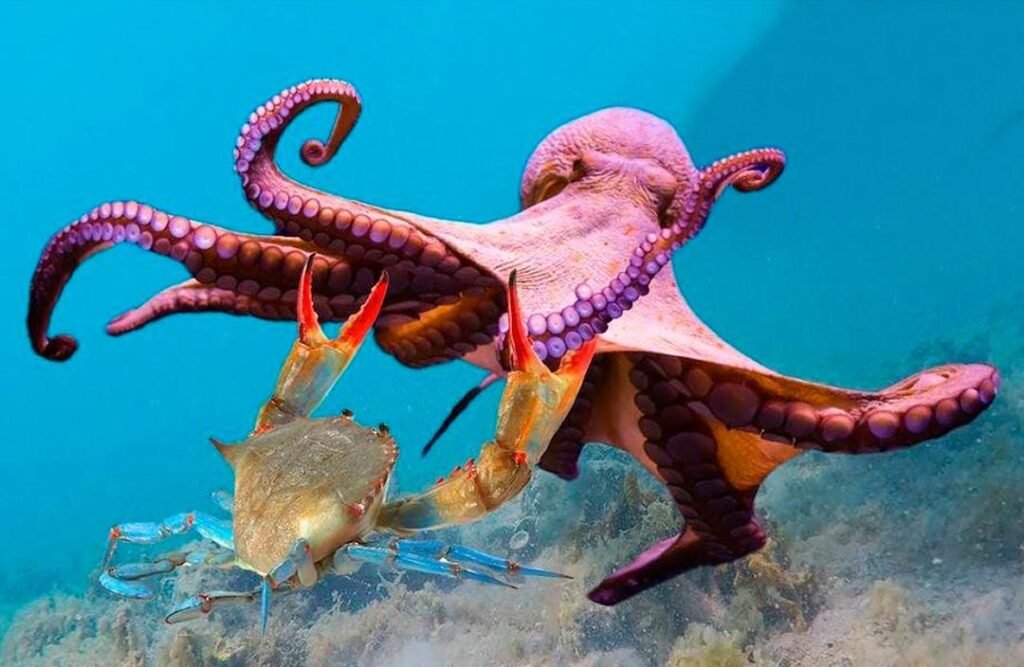
Octopuses are carnivorous predators.
Their diet includes:
- crustaceans
- crabs
- shrimp
- mollusks
- small fish
- other cephalopods
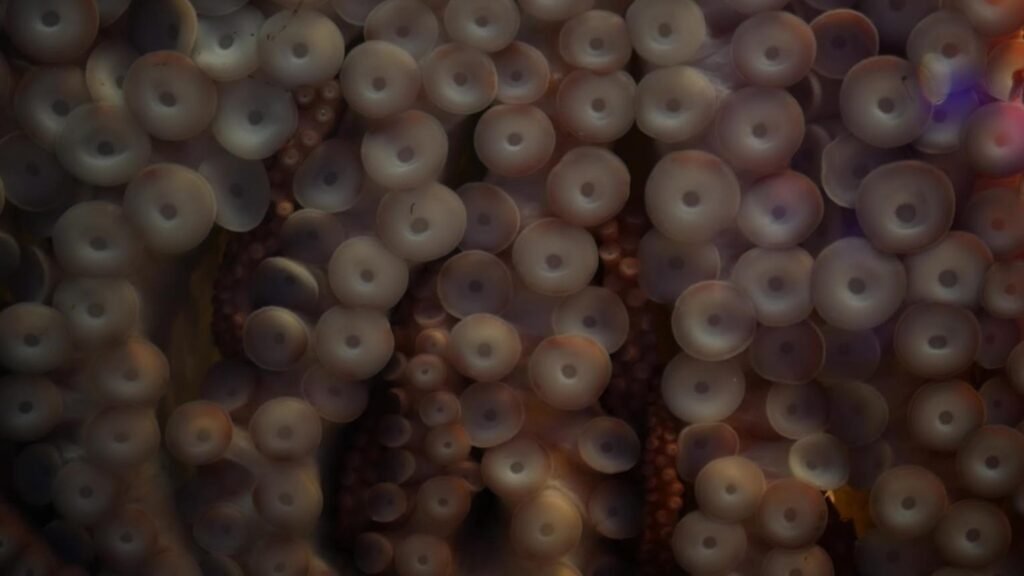
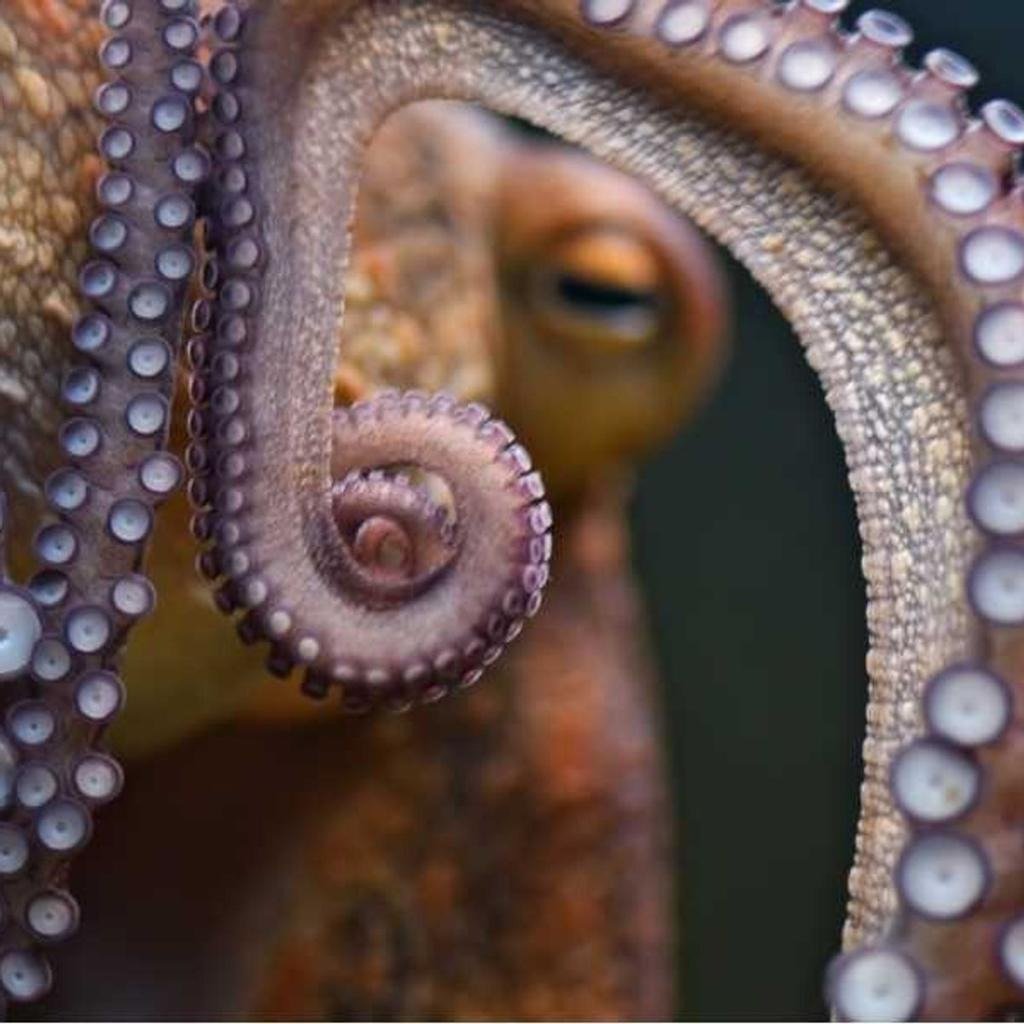
They use their arms and suckers for prey capture.
The suckers possess both mechanoreceptors and chemoreceptors, allowing simultaneous tactile and chemical analysis.
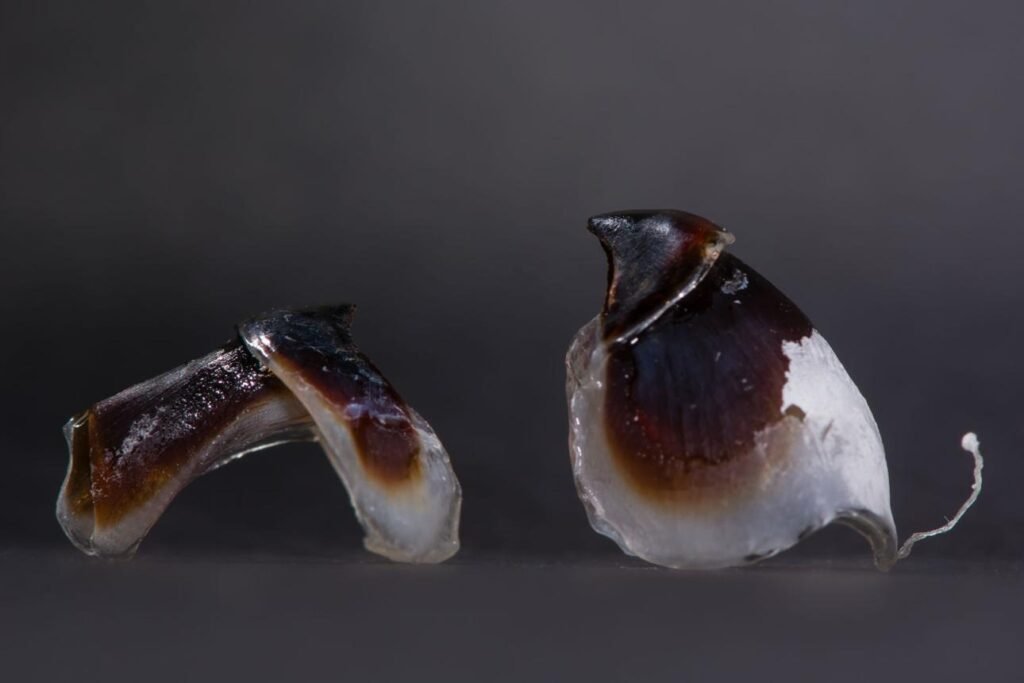
At the center of the arms lies a sharp chitinous beak, capable of penetrating shells and exoskeletons.
Some species also inject venomous saliva to immobilize prey.
7
6. Reproductive Strategy and Life Cycle
Octopus reproduction is biologically fascinating and often characterized by semelparity, meaning reproduction occurs once before death.
In males, one arm is modified into a reproductive appendage known as the hectocotylus.
This structure transfers spermatophores to the female.
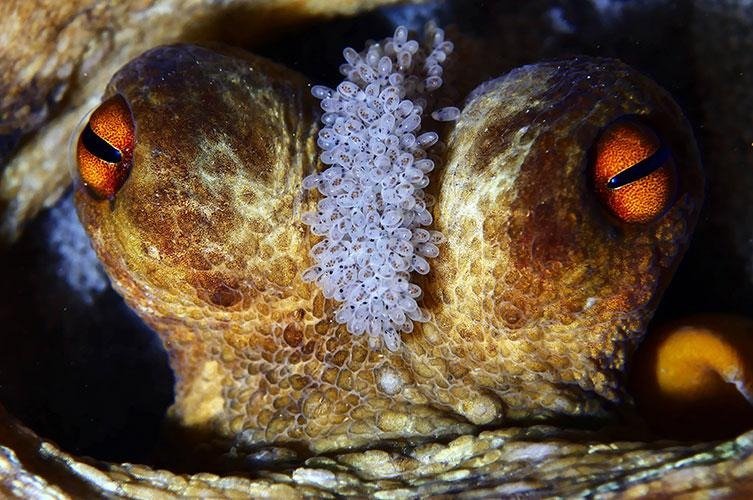
After fertilization, females lay large clusters of eggs and provide intense parental care.
During this period, the female often stops feeding entirely and remains near the eggs to clean, aerate, and protect them.
After hatching, the female typically dies.
This phenomenon has major implications in life-history evolution studies.

7
7. Ecological Importance
Octopuses play a crucial role in marine ecosystems.
As mid-level predators, they regulate populations of crustaceans and small fish.
At the same time, they serve as prey for:
- sharks
- dolphins
- seals
- large fish
- marine birds
Thus, they are important components of trophic networks.
Their burrowing and den-building behavior also influences benthic habitats.
8. Scientific Relevance
Octopuses are major model organisms in:
- neurobiology
- cognition
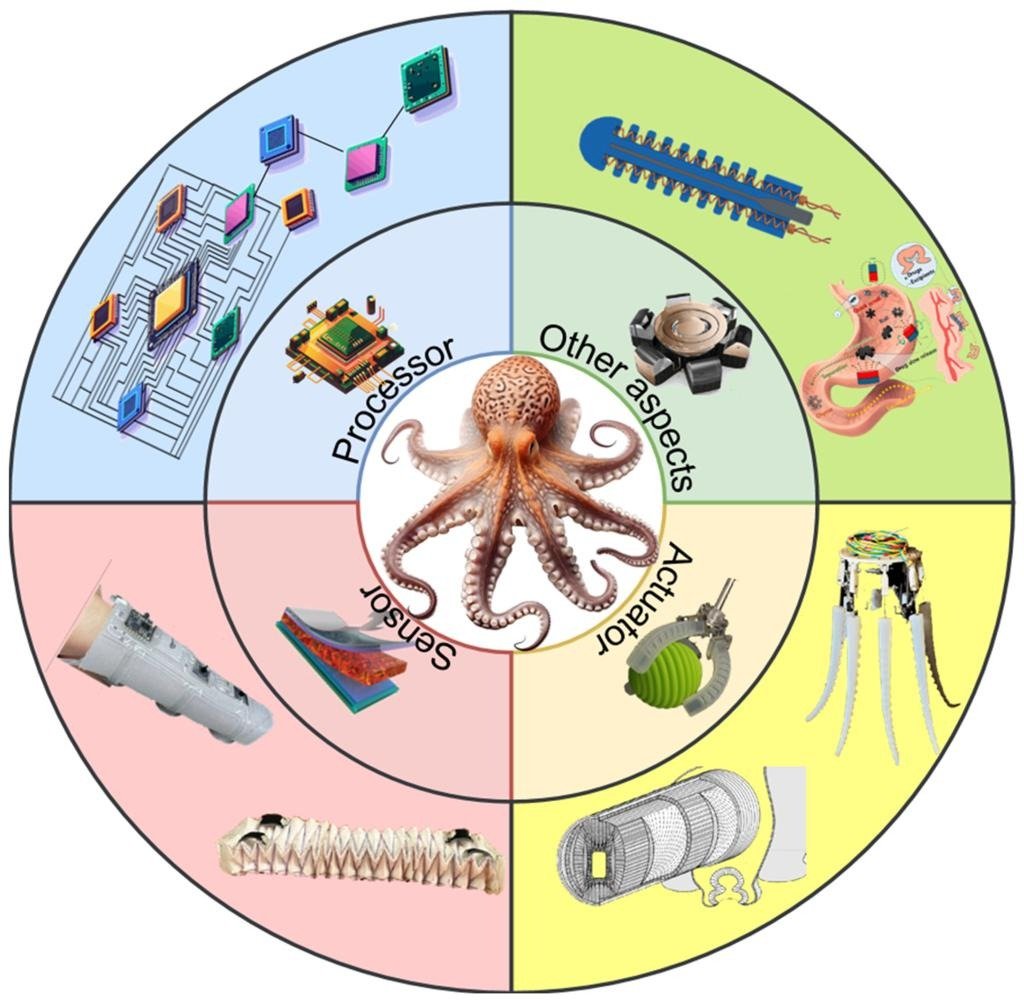
- robotics
- biomimetics
- camouflage engineering
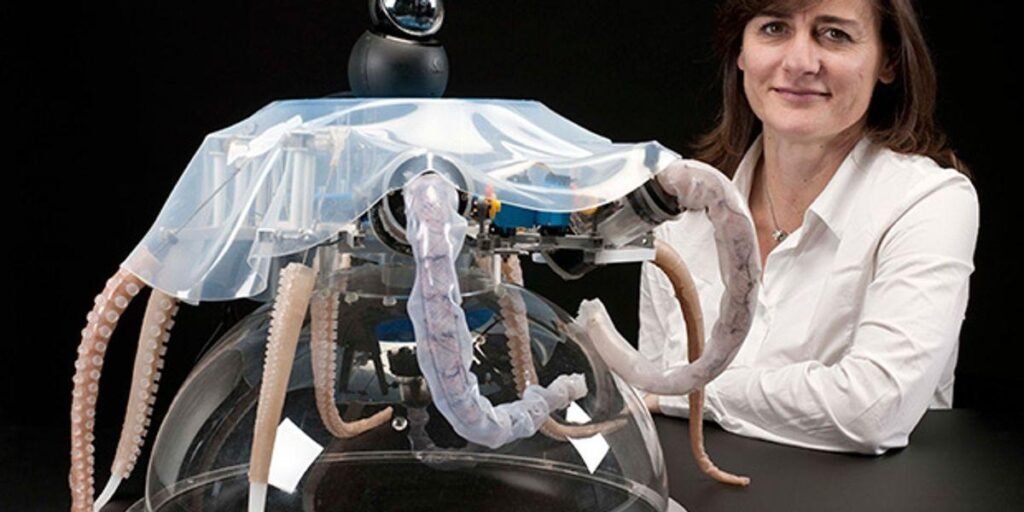
Their flexible arms and distributed neural systems have inspired soft robotics research.
7
9. Conclusion
Octopuses represent one of the most extraordinary examples of evolutionary innovation among marine invertebrates.
Their complex nervous systems, adaptive camouflage, predatory sophistication, and reproductive strategies make them a central subject in modern biological research.
They continue to challenge traditional assumptions regarding intelligence and nervous system organization in non-vertebrate animals.
10 Scientific Facts and Curiosities About Octopuses
1. Octopuses have three hearts
One of the most fascinating biological facts about octopuses is that they possess three hearts.
Two of these are called branchial hearts, responsible for pumping blood to the gills, where oxygen exchange occurs.
The third, known as the systemic heart, pumps oxygenated blood to the rest of the body.
Interestingly, the systemic heart temporarily slows down when the octopus swims, which is one reason many species prefer crawling along the ocean floor instead of continuous swimming.
6
2. Their blood is blue
Unlike humans and most vertebrates, octopuses do not use hemoglobin to transport oxygen.
Instead, they use hemocyanin, a copper-based respiratory pigment.
This molecule gives their blood a distinct blue coloration and is highly efficient in cold and low-oxygen marine environments.
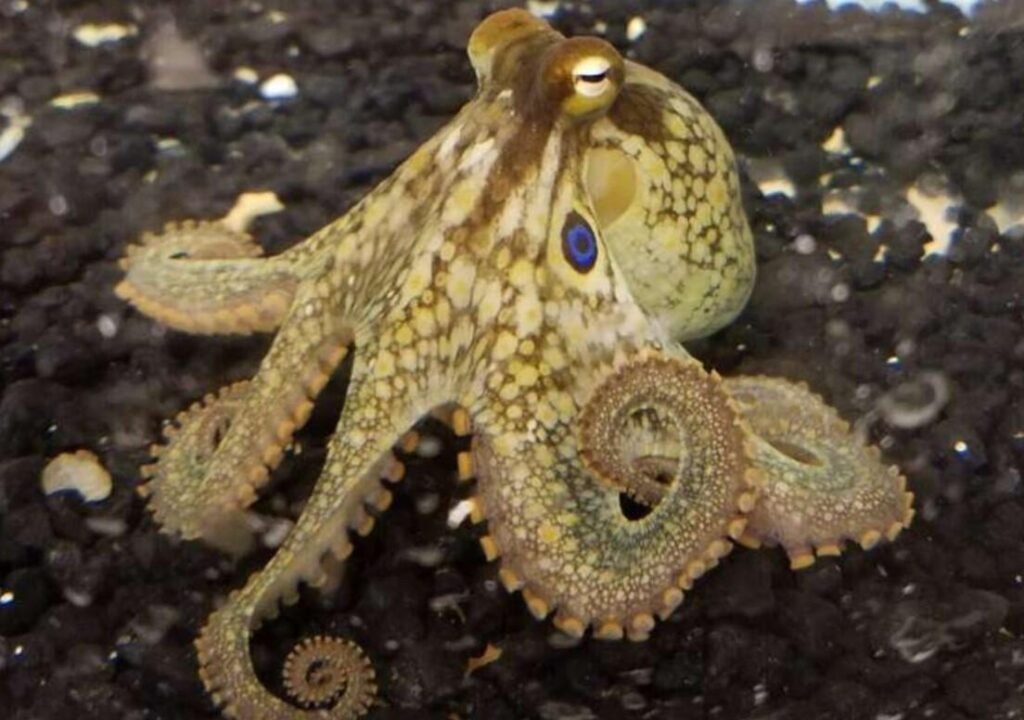
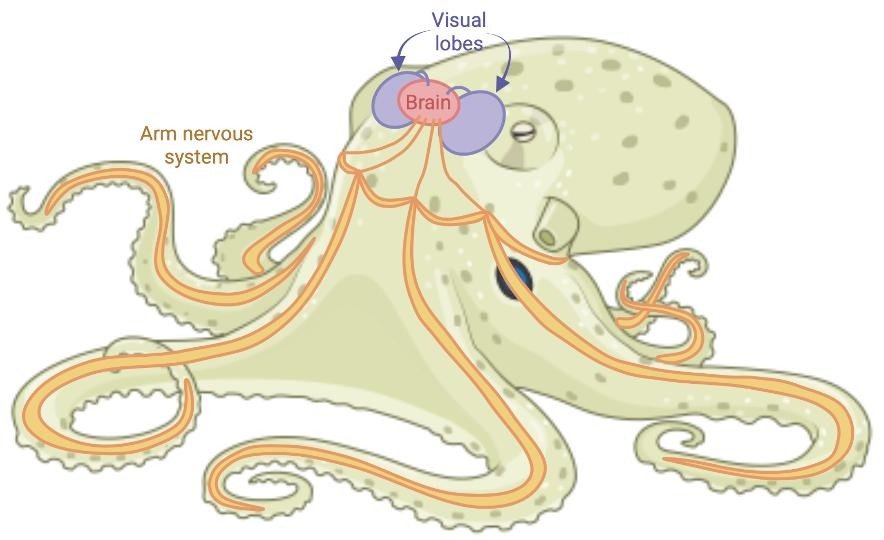
3. Most of their neurons are in their arms
A remarkable neurobiological fact is that a large proportion of the octopus nervous system is distributed throughout its arms.
Out of approximately 500 million neurons, many are located in the arms themselves.
This allows semi-independent movement and local processing.
6
Each arm can perform complex exploratory and motor actions with minimal central brain control.
4. They are among the most intelligent invertebrates
Octopuses are widely recognized as one of the most intelligent invertebrates.
Scientific studies have shown that they can:
- solve puzzles
- open jars
- navigate mazes
- remember solutions
- recognize patterns
These behaviors strongly suggest advanced learning and memory mechanisms.
5. They can change both color and texture
Many people know octopuses can change color, but fewer realize they can also alter skin texture.
They can rapidly shift from smooth skin to rough, spiky textures that resemble rocks or coral.

8
This is one of the most sophisticated camouflage systems in the animal kingdom.
6. They can fit through tiny spaces
Because octopuses have no bones and no rigid internal skeleton, they can squeeze through openings barely larger than their beak.
This makes them exceptional escape artists.
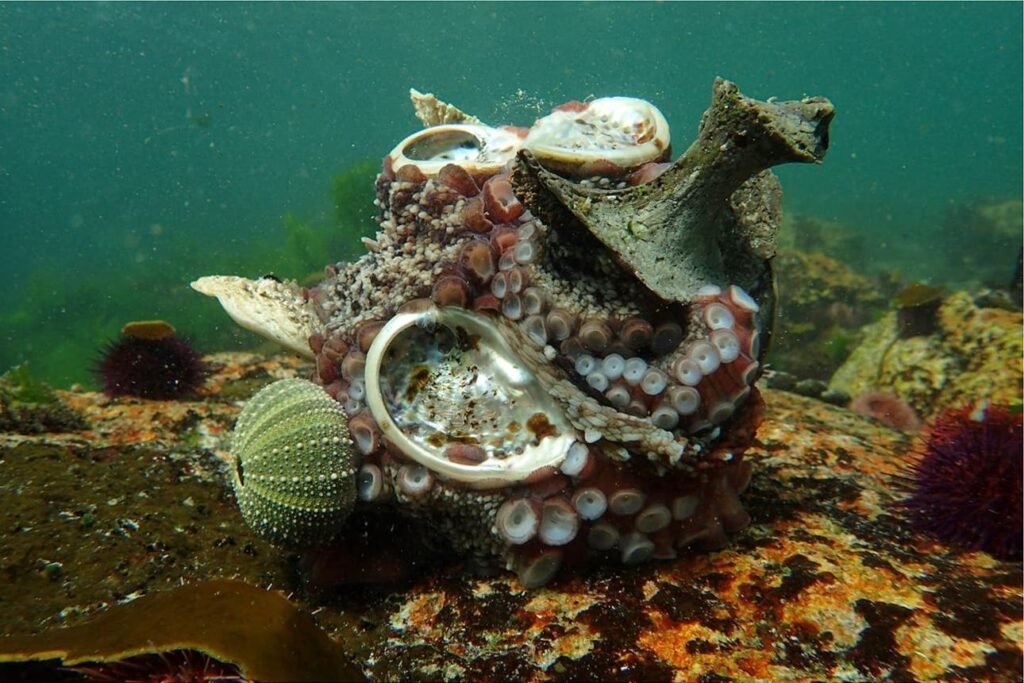
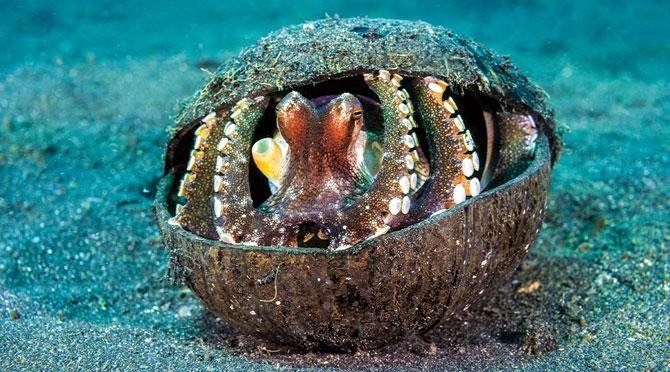
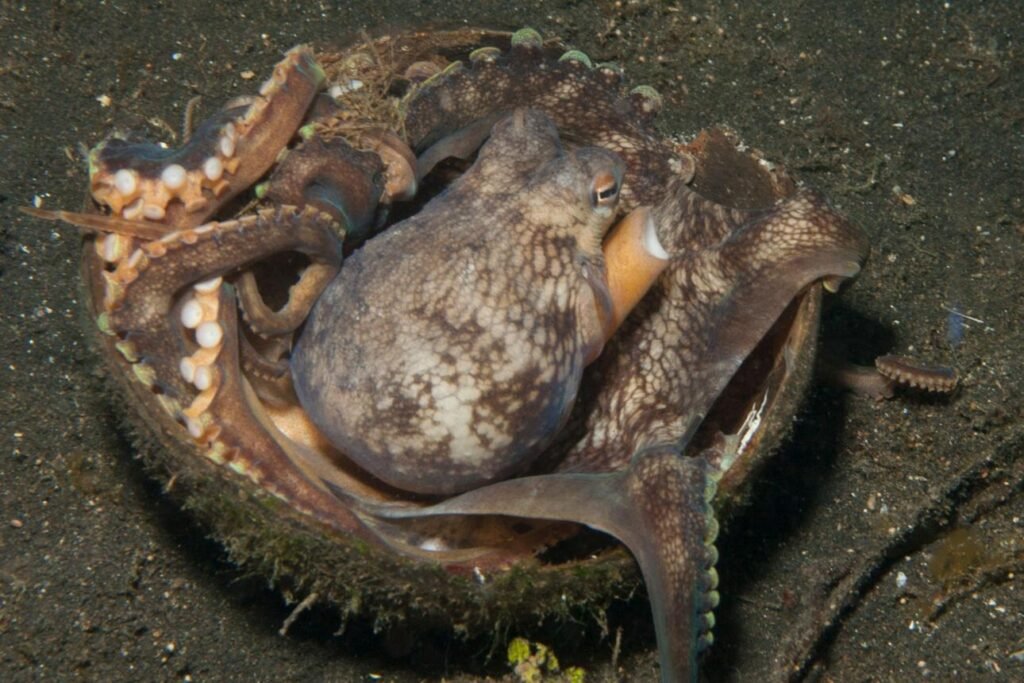
7. Some species use tools
Certain octopus species have been observed using coconut shells, rocks, and shells as portable shelters.
This behavior is often discussed in animal cognition and tool-use research.
6
8. They have venom
Many octopus species produce venom used to immobilize prey.
The most famous example is the Blue-ringed octopus, whose venom contains tetrodotoxin and can be extremely dangerous.
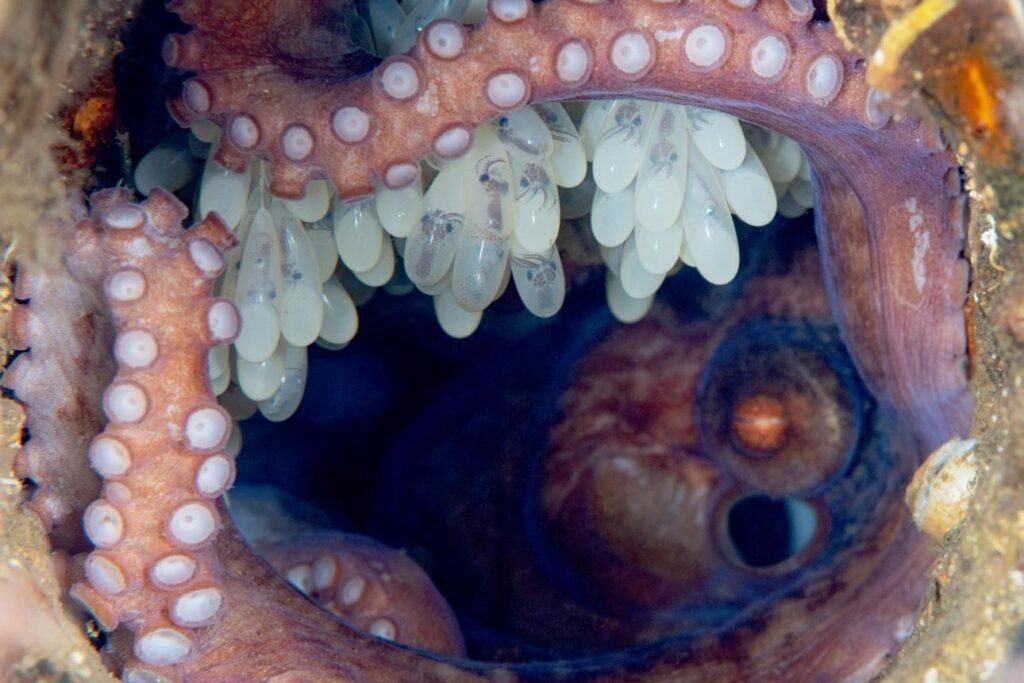
9. Females often die after reproduction
A scientifically fascinating fact is that many octopus species are semelparous.
This means they reproduce once and then die.
The female often guards her eggs without eating until they hatch.
6
10. They inspired modern robotics
Octopus biology has strongly influenced the development of soft robotics.
Their flexible arms and distributed control systems inspire new robotic technologies used in medicine and engineering.