Having a clean litter box routine is one of the most important things you can do for your cat and for your home. Cats are naturally clean animals, and when they feel comfortable with their litter box, they are happier, less stressed, and less likely to have accidents outside the box. The good news is that litter box training and fixing common problems are things any cat owner can do at home with simple habits, cheap supplies, and a little patience. You don’t need expensive equipment or professional help for most situations. This very practical guide is made for regular cat owners who want easy, step-by-step ideas they can start using today. It covers how to set up the perfect litter box area, how to train kittens and new cats, and how to solve the most common problems like peeing outside the box, avoiding the box, or sudden accidents.
Why the Litter Box Is So Important for Your Cat
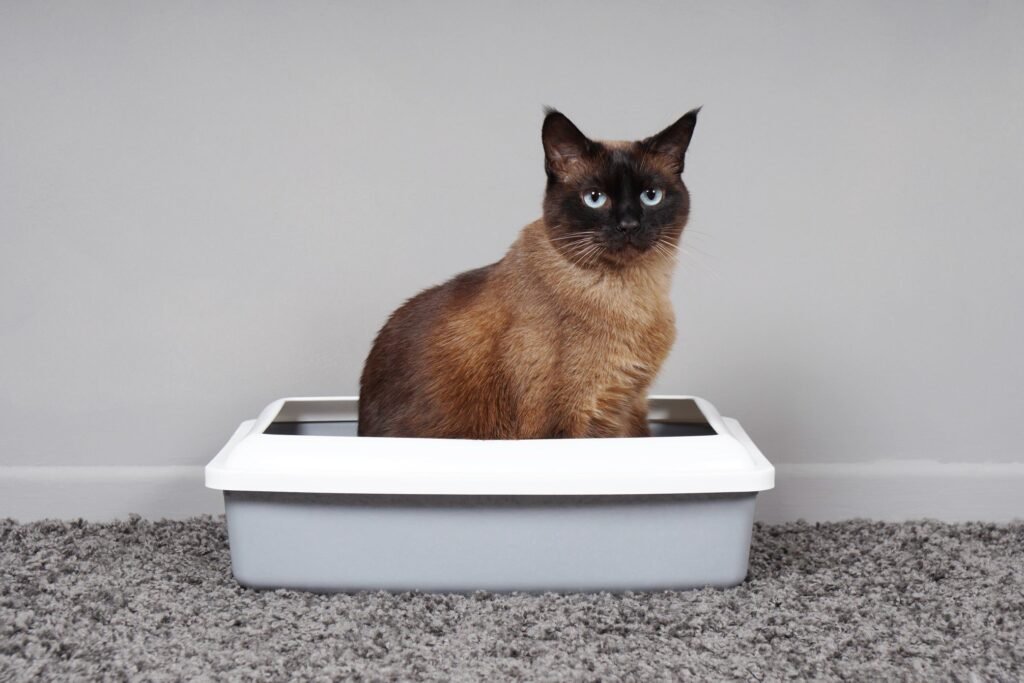
Cats use the litter box for both pee and poop, and they are very picky about it. A dirty, small, or uncomfortable box can make them feel unsafe or stressed, which often leads to accidents on the floor, sofa, or bed. Good litter box habits prevent bad smells in the house, keep your cat relaxed, and help you notice health problems early (for example, if your cat suddenly starts going outside the box, it can be a sign of a urinary infection). When you make the litter box area clean, private, and easy to use, your cat will use it happily every day.
Setting Up the Perfect Litter Box Area at Home
Here is what works best for most cats:
- Number of boxes: Have one box for each cat plus one extra. So if you have two cats, you need at least three boxes.
- Size: Choose big, open boxes (the ones without a cover are usually preferred). Your cat should be able to turn around completely inside the box.
- Location: Place the boxes in quiet, private places where your cat won’t be disturbed. Avoid noisy areas near washing machines, busy hallways, or the food bowl. Many cats like having one box upstairs and one downstairs.
- Type of litter: Most cats like unscented, clumping clay litter because it feels natural. You can also try paper pellets, corn, or wood pellets if your cat has sensitive paws. Start with one type and only change slowly if needed.
- Depth: Put about 5–7 cm of litter in the box. Too little or too much can make them avoid it.
Keep the boxes away from direct sunlight or heat sources so the litter doesn’t dry out or smell bad.
Easy Daily Litter Box Routine You Can Follow
Make this part of your normal day — it only takes a few minutes:
- Morning: Scoop all boxes as soon as you wake up (after breakfast is a good time for many cats).
- Evening: Scoop again before bed.
- Full clean: Once a week, empty the box completely, wash it with mild soap and hot water (no strong chemicals), dry it well, and add fresh litter.
- Spot clean: If you see wet spots or clumps stuck to the side, wipe them with a damp cloth right away.
Cats notice when the box is dirty and may start looking for another place to go. Scooping twice a day keeps the area fresh and prevents most problems.
Training a New Kitten or Adult Cat
If you just brought a new cat home:
- Show them the litter box right away by gently placing them inside it after meals, naps, and playtime.
- Use a calm voice and praise them when they use it.
- Never punish or rub their nose in an accident — this only makes them scared and more likely to hide when they need to go.
- If they have an accident, clean the spot very well with an enzymatic cleaner (it removes the smell so they don’t return to the same place).
- For kittens, place multiple boxes around the house at first so they can always find one quickly.
Most kittens learn very fast if you are consistent.
Common Litter Box Problems and Simple Home Solutions
Here are the most frequent issues and what you can do at home:
- Peeing or pooping outside the box
- Check if the box is dirty or too small.
- Try adding one more box in a different location.
- Change to a different litter type (some cats hate scented litter).
- Make sure the box has high sides if your cat sprays or stands up while peeing.
- Avoiding the box completely
- The box may be in a scary place (near the dog or noisy area). Move it to a quieter spot.
- Try a different box style — some cats prefer low-entry boxes, others like covered ones.
- Clean the old accident spots very well so no smell remains.
- Only using the box for pee or only for poop
- This is common. Add a second box with a different type of litter and see if they choose one for each.
- Sudden accidents after using the box normally
- This can be a health issue (urinary infection, constipation, arthritis). Clean the accident, note when it happens, and call the vet if it continues for more than 1–2 days.
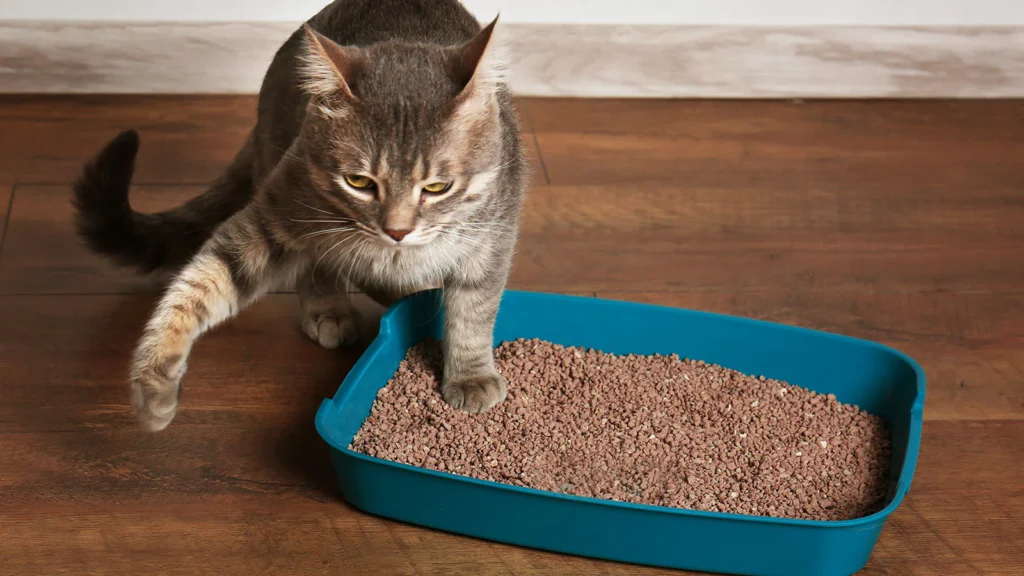
- Digging and throwing litter everywhere
- Use a litter mat in front of the box to catch flying litter.
- Try a litter with bigger granules that is harder to throw.
Extra Tips That Help a Lot at Home
- Use a litter mat or old towel in front of each box to catch litter and make cleaning easier.
- If you have multiple cats, make sure each one has their own “favorite” box so they don’t compete.
- For older cats with arthritis, use boxes with very low sides so they can step in easily.
- Keep a small spray bottle with water nearby — a quick mist can gently discourage a cat from digging in the wrong place.
- Add a few drops of catnip or a toy near the box area to make it a positive place.
Simple Weekly Checklist You Can Follow
- Monday & Thursday: Full scoop + wipe sides
- Sunday: Complete box clean and fresh litter
- Every day: Quick visual check for any accidents
- Once a month: Try a new litter type if your cat seems unhappy
This checklist takes almost no extra time but keeps everything working well.
Special Tips for Kittens, Seniors, and Multi-Cat Homes
Kittens: They need more boxes and more frequent scooping because they have small bladders.
Senior cats: Low-entry boxes and softer litter help if they have joint pain.
Multi-cat homes: Watch which cat is using which box. Sometimes one cat blocks another — adding more boxes usually solves it.
When to Call the Vet
If your cat suddenly stops using the box, has blood in urine, strains to pee, or has diarrhea for more than two days, contact the vet the same day. These can be signs of serious health problems.
In conclusion, litter box training and fixing common problems are things every cat owner can handle successfully at home. With the right number of big, clean boxes in quiet places, daily scooping, simple weekly cleaning, and a few easy adjustments, most cats will use their litter box happily every day. These routines are cheap, take only a few minutes, and prevent stress, bad smells, and accidents in your house. Start today by checking your current boxes and doing one full scoop and wipe. Within a week or two you will probably see better habits and a more relaxed cat. A clean, comfortable litter box is one of the best gifts you can give your cat — it makes them feel safe and loved in their own home. Small daily habits really do create big improvements. Your cat will thank you by staying clean, calm, and happy, and you will enjoy a house that smells fresh and a cat that feels confident and comfortable. Good litter box routines are simple, but they make a huge difference in the daily life of both you and your cat.