Complete Guide to Feeding Your Cat the Right Way
Proper nutrition is the single most important factor in your cat’s long-term health, energy, coat quality, immune function, and lifespan. Cats are strict obligate carnivores, meaning they have evolved to thrive on a meat-based diet and cannot properly digest or obtain essential nutrients from plant-heavy foods. Choosing the right food, controlling portions, understanding age-specific needs, and avoiding toxic ingredients can prevent obesity, diabetes, urinary tract diseases, dental problems, and many other common feline health issues. In 2026, with so many commercial options available, it is easy to feel overwhelmed. This comprehensive guide gives you everything you need to feed your cat correctly — from understanding their unique nutritional requirements to practical feeding strategies, transitioning foods safely, and solving common problems like picky eating or weight gain.
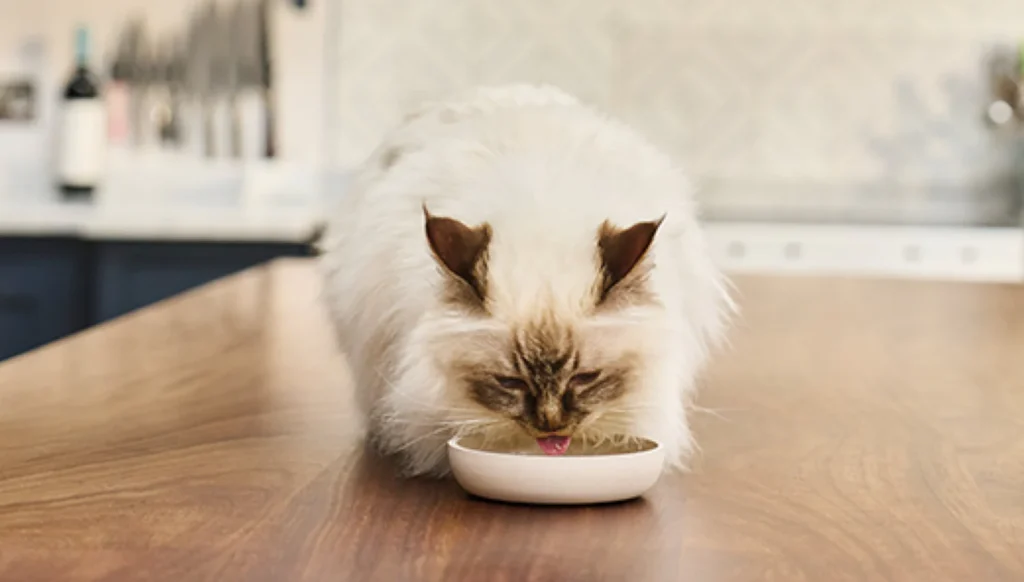
Understanding Your Cat as an Obligate Carnivore
Cats require high levels of animal-based protein (at least 26–30% on a dry matter basis for adults, higher for kittens), specific amino acids like taurine and arginine, and preformed vitamin A and arachidonic acid that they cannot efficiently produce from plant sources. Unlike dogs, cats have a short digestive tract and high protein needs even when they are not growing. Feeding a diet too low in protein or too high in carbohydrates can lead to muscle loss, poor coat condition, and increased risk of urinary crystals or stones. Always look for foods where the first several ingredients are named animal proteins (chicken, turkey, salmon, beef, etc.) rather than vague “meat meal” or grain-heavy fillers.
Wet Food vs Dry Food vs Raw vs Homemade
- Wet (canned/pouch) food is usually the best choice for most cats because it provides high moisture content (70–80%), which supports kidney and urinary health and helps prevent dehydration. It is also more palatable and lower in carbohydrates.
- Dry kibble is convenient and helps control tartar through mechanical chewing, but it is lower in moisture (only 8–10%) and often higher in carbs. Use it as a supplement or for cats that genuinely prefer it.
- Raw diets (BARF or PMR) can be excellent when properly formulated and handled with food-safety standards, but they carry risks of bacterial contamination and nutritional imbalance if not done correctly. Only use commercial raw brands that follow AAFCO guidelines or work with a veterinary nutritionist.
- Homemade cooked diets are possible but require precise balancing with supplements — never feed plain meat or table scraps.
Many owners choose a mix: 70–80% wet food for hydration and 20–30% dry kibble for dental benefits and convenience.
Age-Specific Feeding Guidelines
- Kittens (up to 12 months): Need 2–3 times more calories and protein than adults for rapid growth and brain development. Feed 3–4 small meals daily using kitten-specific formulas rich in DHA.
- Adult cats (1–7 years): Most do well on two meals per day. Maintain ideal body weight by measuring portions exactly.
- Senior cats (8+ years): Often need easier-to-digest proteins, added joint support (glucosamine, chondroitin), and sometimes more frequent smaller meals because of reduced appetite or dental issues. Some seniors benefit from senior formulas with lower calories if they are less active.
Always adjust portions based on your cat’s individual metabolism, activity level, and body condition score — not just the package recommendations.
Portion Control and Preventing Obesity
Obesity affects over 60% of cats in many countries and is a leading cause of diabetes, arthritis, and shortened lifespan. Use a kitchen scale to measure food accurately. A typical adult cat needs 180–250 calories per day (depending on weight and activity), but this varies widely. Feed according to your cat’s ideal weight, not current weight. Split meals to avoid large blood sugar spikes. Treats should never exceed 10% of daily calories — use tiny pieces of freeze-dried meat, plain cooked chicken, or commercial low-calorie cat treats.
Water Intake and Hydration
Cats naturally have a low thirst drive because their ancestors got most of their water from prey. Encourage drinking by offering multiple fresh water stations, pet fountains with moving water, and adding a little low-sodium tuna juice or bone broth to their water bowl. Wet food provides significant hydration and is one of the easiest ways to increase fluid intake and support urinary tract health.
Foods to Never Feed Your Cat
Never give: chocolate, grapes/raisins, onions/garlic, xylitol (in sugar-free gums/candies), alcohol, raw dough, macadamia nuts, avocado, or large amounts of dairy (most adult cats are lactose intolerant). Cooked bones can splinter and cause blockages. Always check ingredients in human foods before sharing.
Transitioning to a New Food
Sudden diet changes often cause vomiting or diarrhea. Transition gradually over 7–10 days:
- Days 1–2: 25% new food + 75% old food
- Days 3–4: 50/50
- Days 5–6: 75% new + 25% old
- Day 7+: 100% new food
Monitor stool quality and appetite during the switch.
Dealing with Picky Eaters
Many cats become picky because they are over-fed or receive too many treats. Strategies that work:
- Offer meals at consistent times and remove uneaten food after 15–20 minutes.
- Warm food slightly to release aroma.
- Try different textures (pâté vs chunks vs shredded).
- Use puzzle feeders so eating becomes a game.
- Never switch foods every time they refuse a meal — this rewards pickiness.
Supplements and Special Diets
Most high-quality complete foods do not need extra supplements. However, your vet may recommend: omega-3 fish oil for skin/coat, joint supplements for seniors, or urinary support formulas for cats with crystal history. Prescription diets are essential for medical conditions like kidney disease, diabetes, or food allergies.
Common Feeding Mistakes
- Free-feeding dry food all day (leads to obesity and boredom).
- Giving too many treats or human food.
- Ignoring dental benefits of certain kibbles or dental treats.
- Not adjusting portions as your cat ages or becomes less active.
- Using milk or dairy as a regular treat.
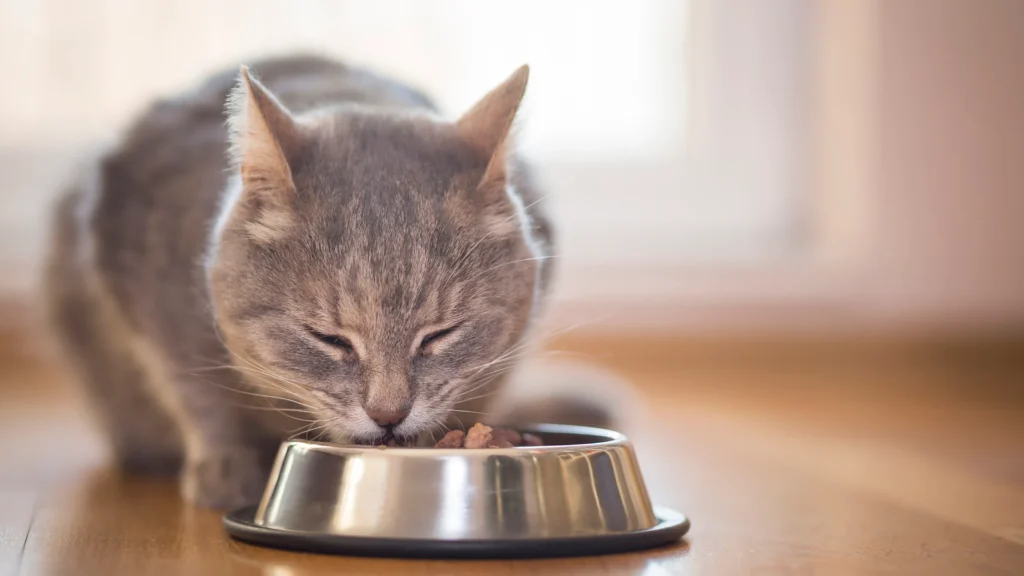
Tracking and Monitoring Success
Weigh your cat monthly on the same scale. Feel for ribs and look for a waistline. Healthy cats should have a visible waist when viewed from above and you should feel (but not see) their ribs. Keep a simple feeding journal noting amount, type of food, and any changes in energy, coat, or litter box habits.
In conclusion, feeding your cat the right way is not complicated once you understand their unique needs as obligate carnivores. By choosing high-quality, species-appropriate food, controlling portions, providing constant fresh water, and staying consistent with meal times, you give your cat the foundation for a long, active, and disease-free life. Nutrition is one of the most powerful ways to show love to your cat. Start today by evaluating your current feeding routine, measuring portions accurately, and offering more wet food if your cat is on mostly dry. With the knowledge in this guide, you can confidently make smart choices that support your cat’s health at every life stage. A well-fed cat is not only healthier and more energetic — they are also happier, more affectionate, and more likely to live many joyful years by your side. Good feeding habits are truly an act of love that pays off every single day.