The fennec fox (Vulpes zerda) is one of the most fascinating and exotic mammals in the animal kingdom. Famous for its adorable appearance, enormous ears, and extraordinary survival skills, this remarkable species is perfectly adapted to life in one of the harshest environments on Earth: the desert. Native to the Sahara Desert and other arid regions of North Africa, the fennec fox is widely admired for its beauty, intelligence, and unique biological features.

7
Although it is the smallest species of fox in the world, the fennec fox possesses some of the most impressive survival adaptations among mammals. It can be found in countries such as Morocco, Algeria, Egypt, and other parts of the Sahara region. Its ability to thrive in extremely hot and dry environments makes it a fascinating subject for biological and ecological study.
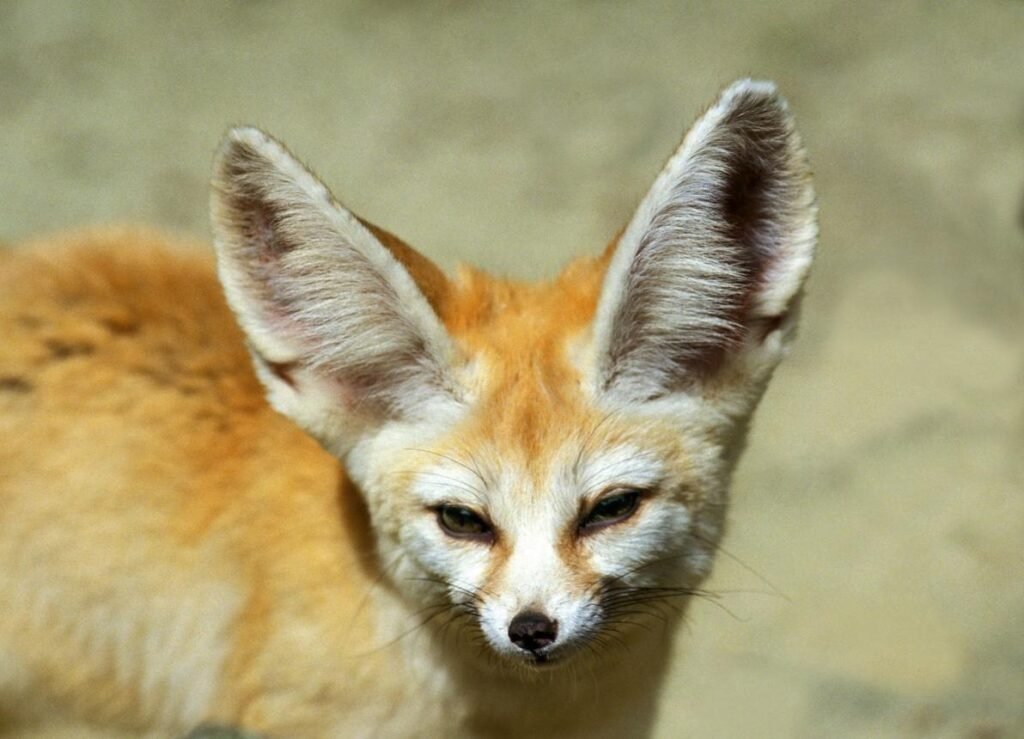
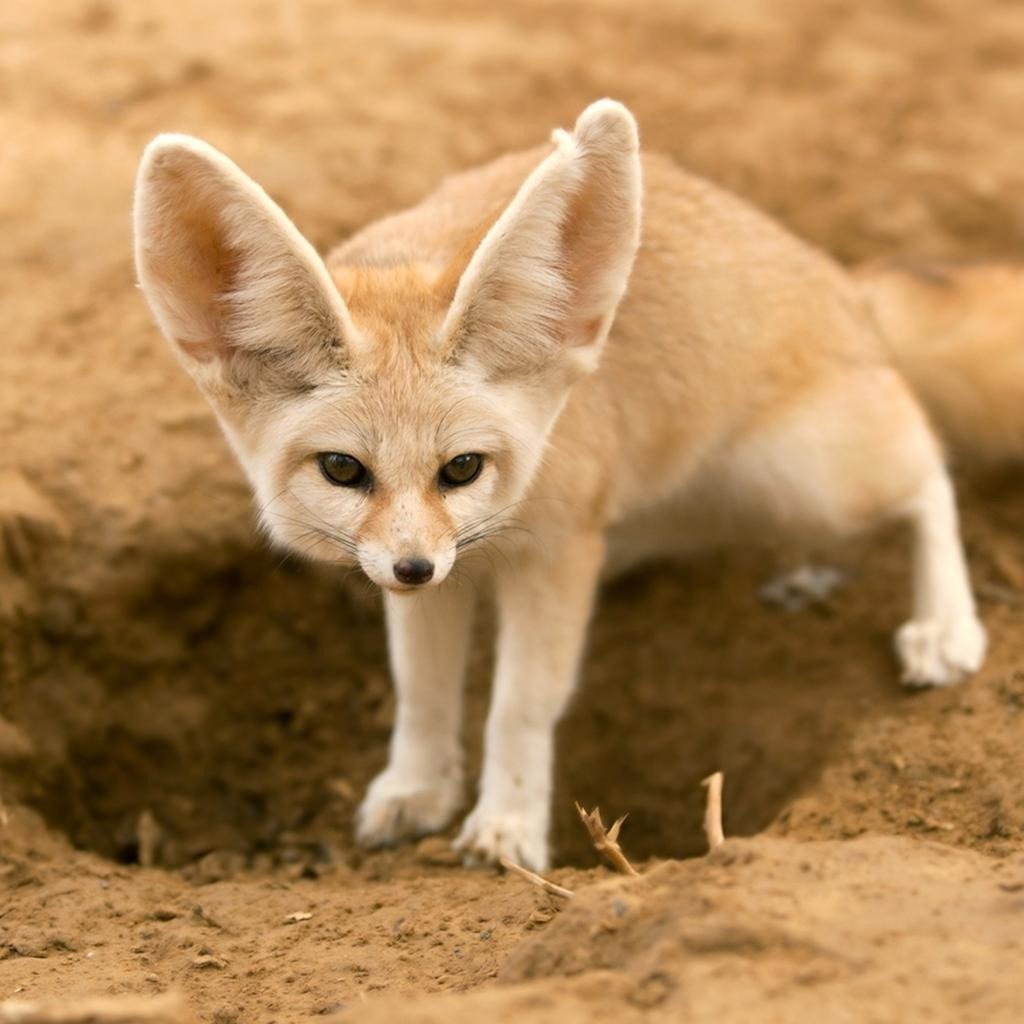
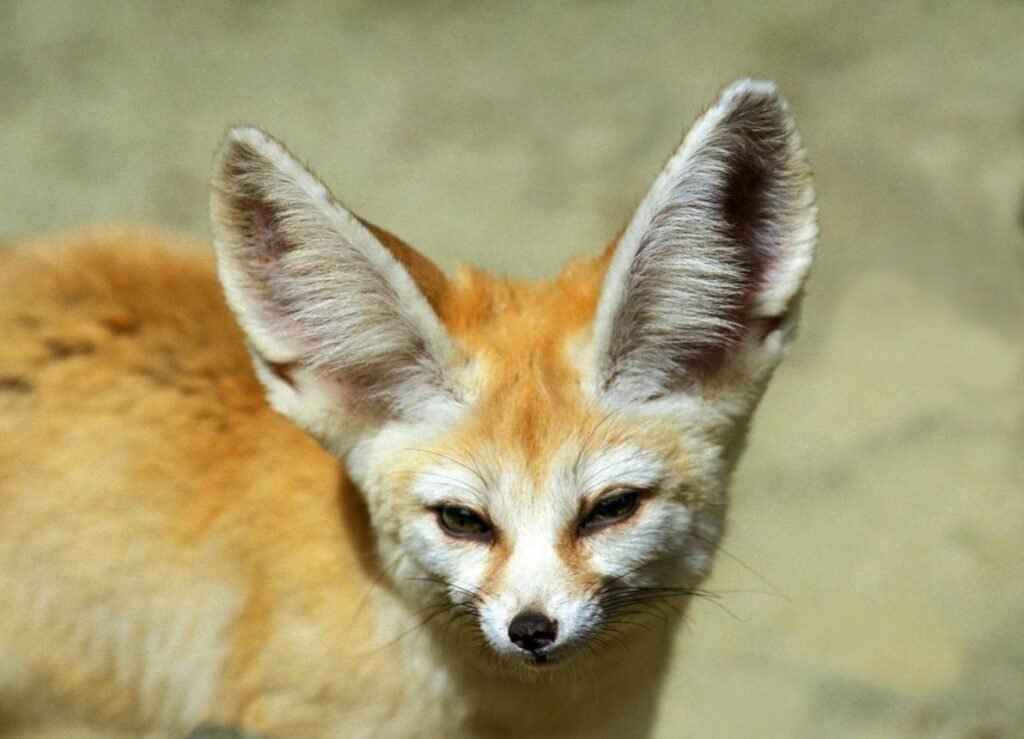
One of the most distinctive and instantly recognizable features of the fennec fox is its large ears, which may reach up to 15 centimeters in length. These ears are proportionally enormous compared to the size of its head and body. While many people first notice them because of their cute appearance, they serve several extremely important functions.
First, the ears provide exceptional hearing ability. The fennec fox can detect very faint sounds, including the movement of insects, rodents, or reptiles beneath the sand. This makes it a highly efficient nocturnal hunter.
Second, the ears play a crucial role in thermoregulation. The large surface area and numerous blood vessels allow excess body heat to be released into the surrounding air, helping the animal stay cool in desert temperatures.
6
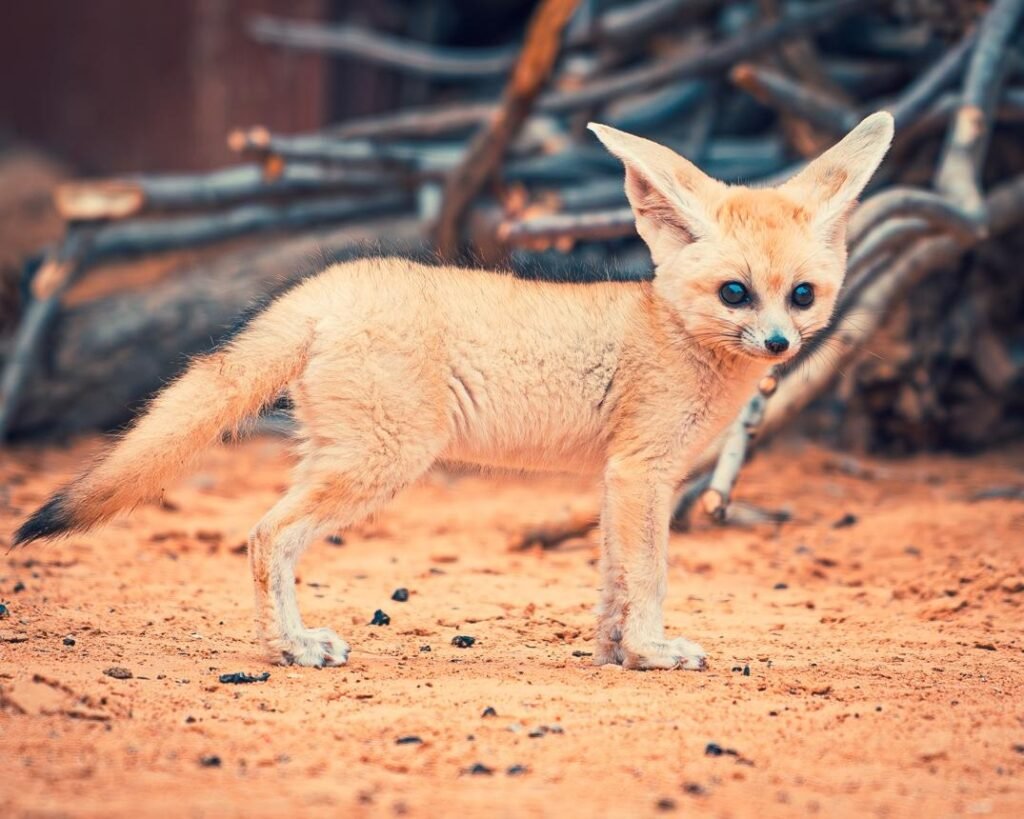
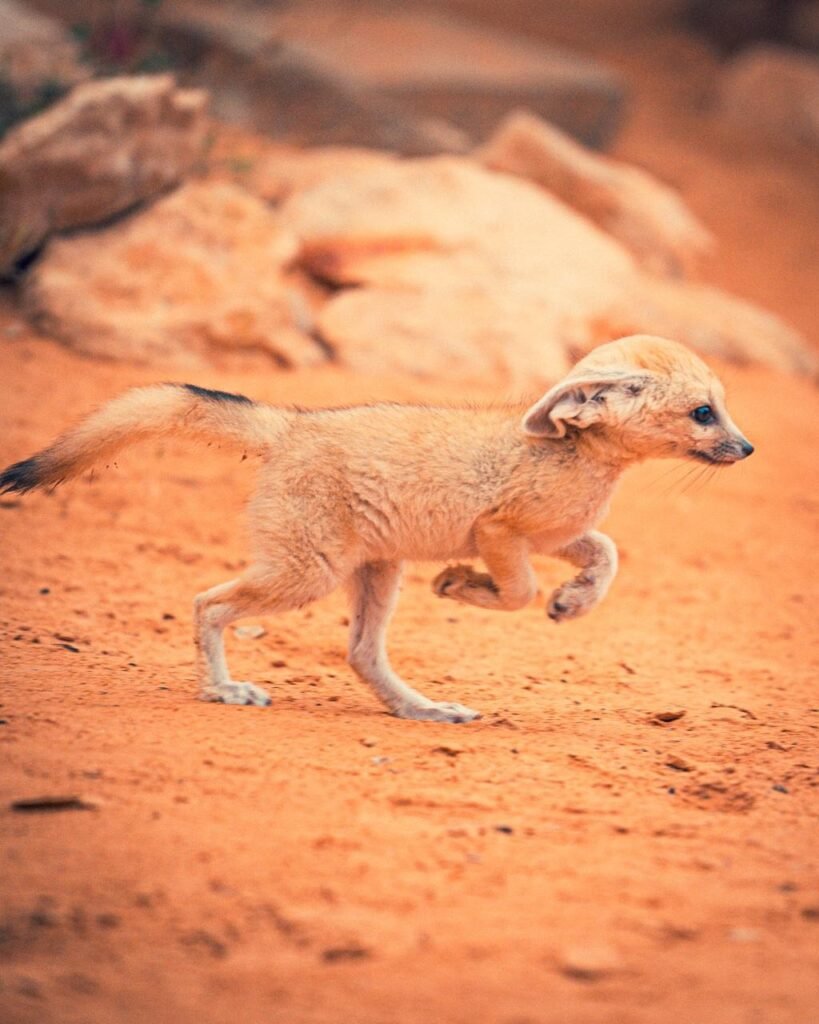
Physically, the fennec fox is a very small canid, usually weighing between 1 and 1.5 kilograms and measuring around 24 to 40 centimeters in body length, excluding the tail. Despite its small size, it is extremely agile and fast.
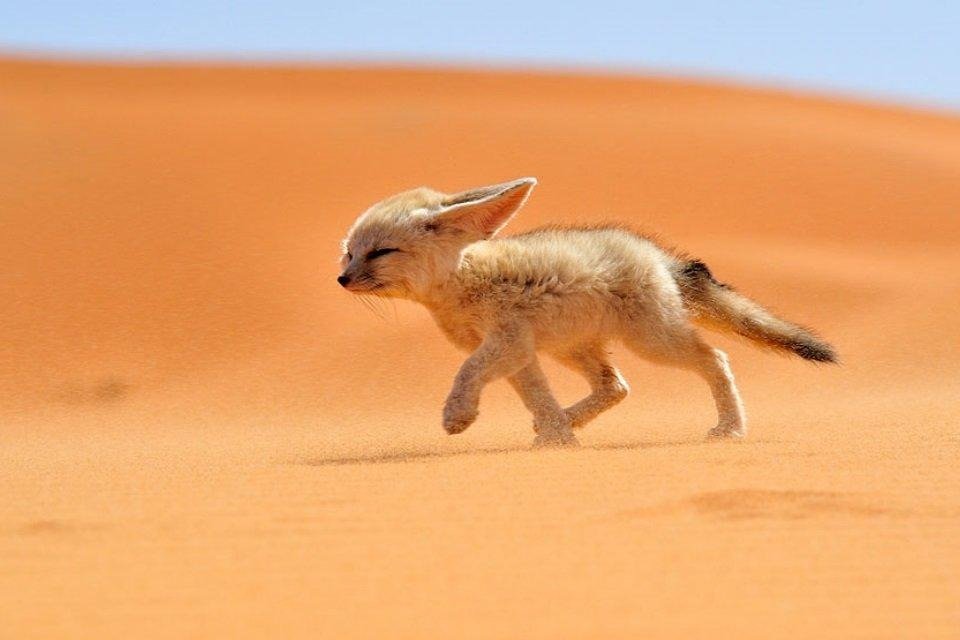
Its body is lightweight, compact, and perfectly adapted for moving across desert terrain. The legs are relatively short but strong, allowing quick bursts of speed when chasing prey or escaping danger.
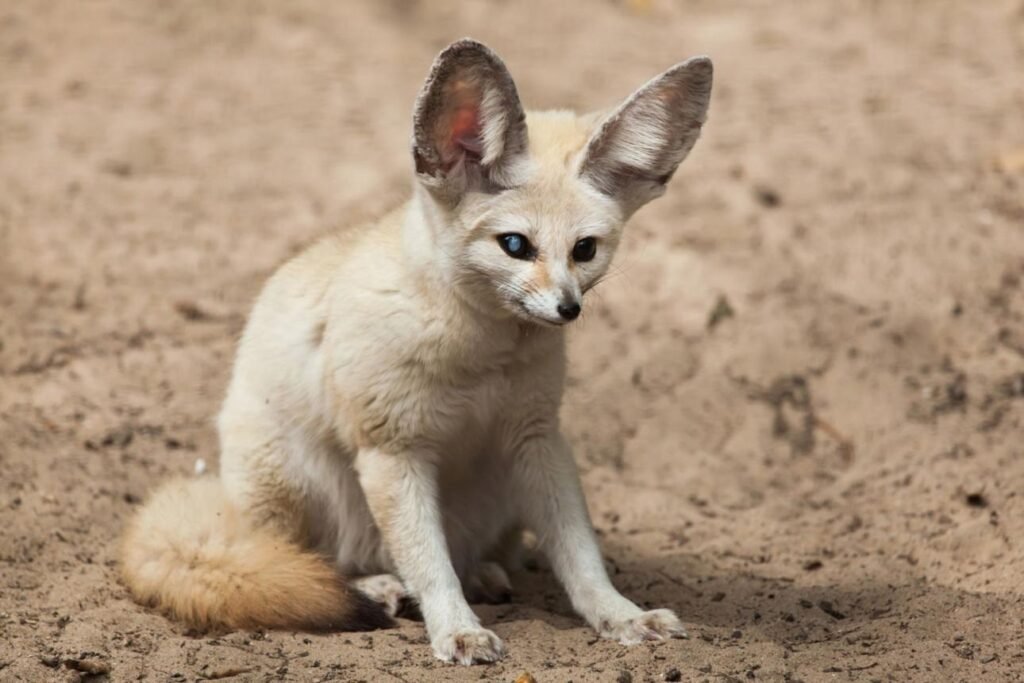
Another fascinating adaptation is the fur covering the soles of its paws. This thick fur acts almost like natural footwear, protecting the fox from the intense heat of the sand during the day and improving traction while running.
6
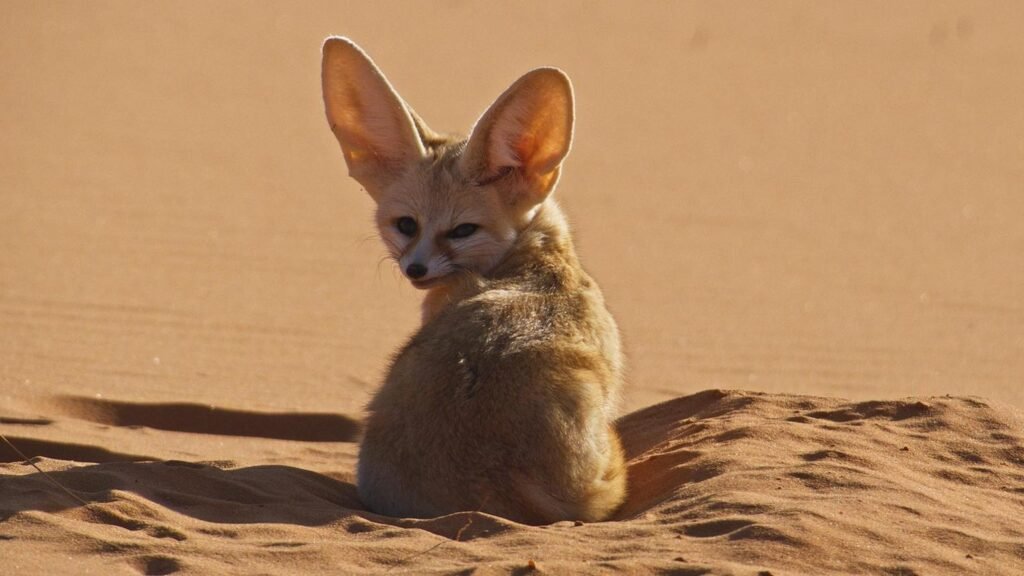
The fur of the fennec fox is also an extraordinary adaptation. Its coat is usually cream-colored, pale beige, or sandy white, which provides excellent camouflage in the desert environment.
This coloration allows it to blend almost perfectly with the surrounding sand, making it less visible to predators and prey.
In addition, the fur acts as insulation. During the day, it helps reflect sunlight and reduce heat absorption. At night, when desert temperatures can drop significantly, the same fur helps preserve body warmth.
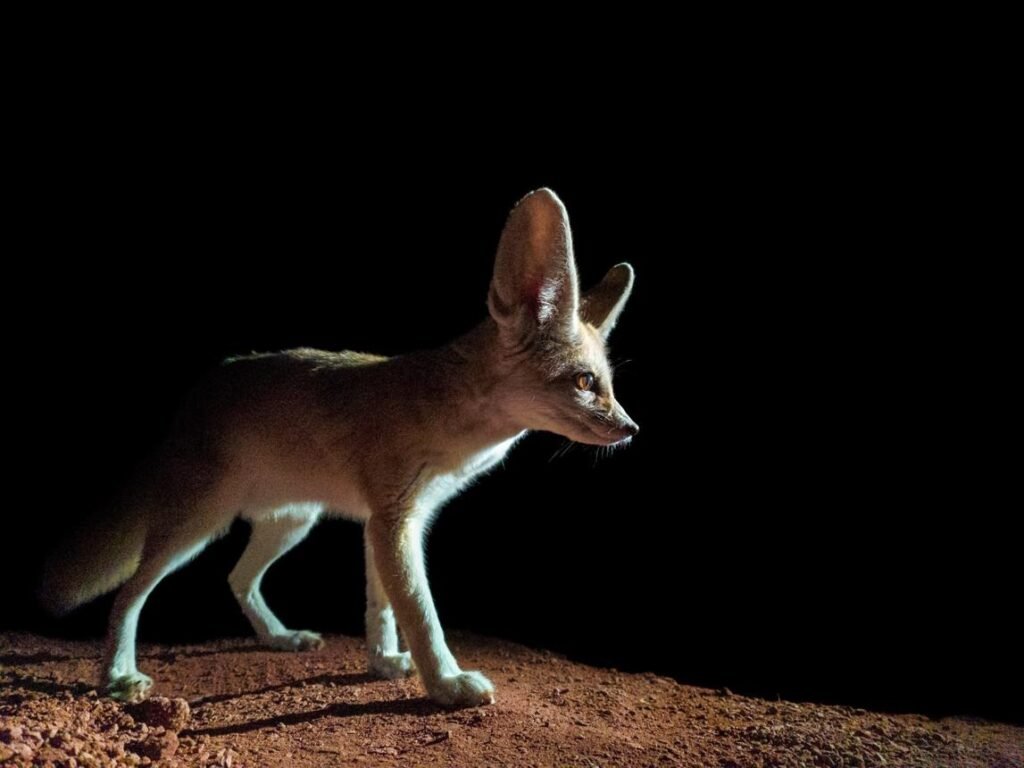
Behaviorally, the fennec fox is primarily nocturnal, meaning it is most active during the night. This is one of its most important adaptations for desert survival.
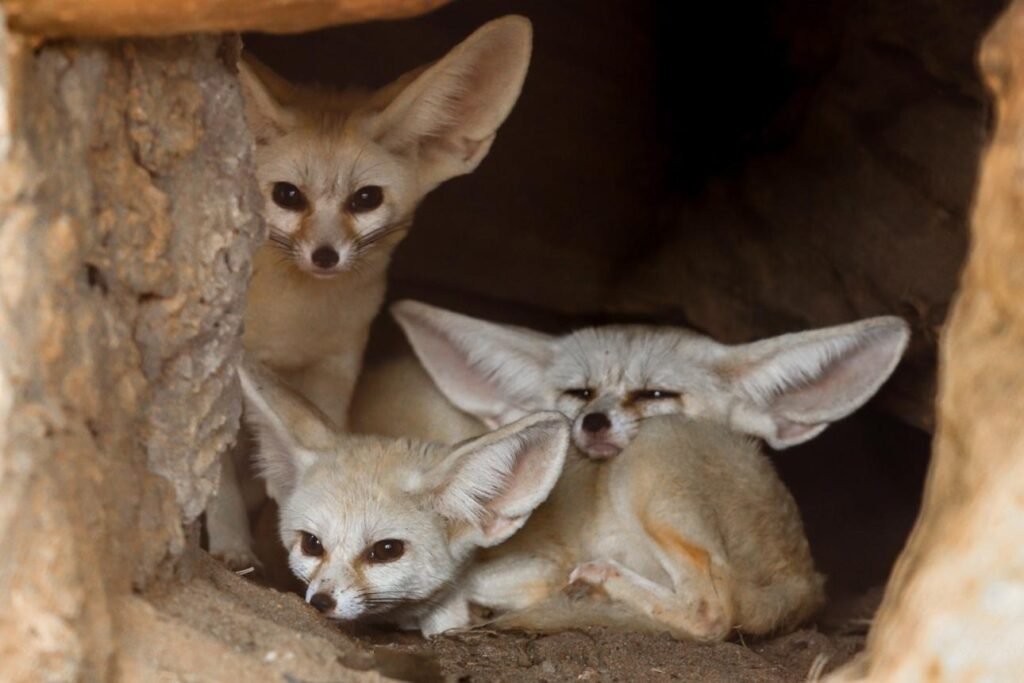
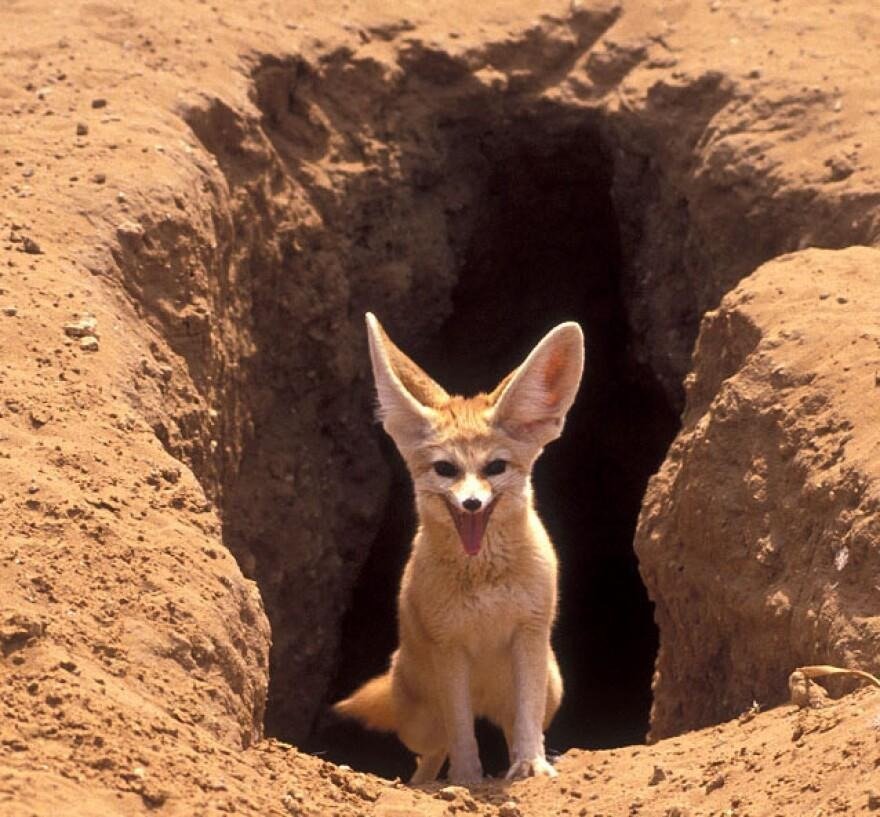
During the daytime, it remains inside underground burrows to avoid extreme temperatures. These burrows are often extensive tunnel systems dug into the sand and may contain several chambers and entrances.

7
These underground shelters provide protection not only from heat but also from predators and sandstorms.
The diet of the fennec fox is highly varied, making it an omnivorous and opportunistic feeder.
It eats:
- insects
- beetles
- grasshoppers
- small rodents
- birds
- eggs
- lizards
- fruits
- roots
- leaves
This dietary flexibility is essential in the desert, where food availability can be unpredictable.
Another remarkable adaptation is its ability to survive with very little water.
Much of its hydration comes directly from food, especially fruits, insects, and prey animals. This reduces its dependence on open water sources, which are rare in desert ecosystems.
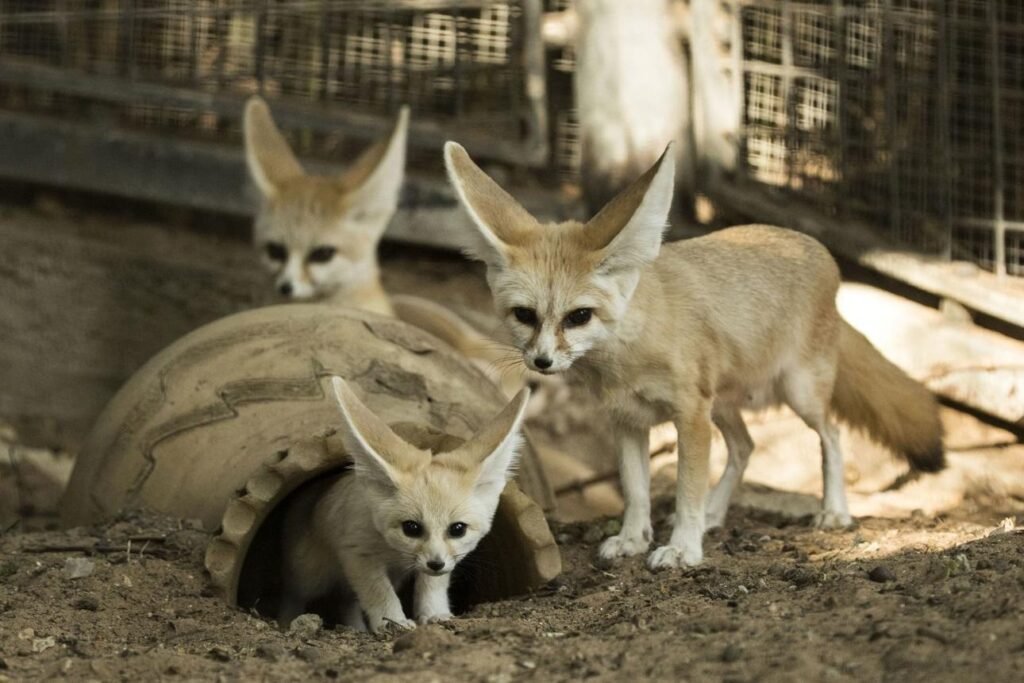
From a social perspective, fennec foxes are known to live in small family groups. They are often playful and interactive, especially among young individuals.
The species communicates through body language, scent marking, and various sounds, including barks, squeaks, growls, and soft calls.

6
Reproduction is another interesting aspect of the species. Female fennec foxes typically give birth to litters of two to five kits after a gestation period of about 50 days.
The young are born inside protected burrows and remain dependent on the mother during the first weeks of life.
Scientifically, the fennec fox is an excellent example of evolutionary specialization.
Its ears, fur, paws, nocturnal habits, and burrowing behavior all demonstrate how species adapt over time to extreme environments.
Because of its unique appearance, the fennec fox is also popular in wildlife education and zoological studies.
Culturally, it is often associated with intelligence, adaptability, and desert wildlife.
Unfortunately, habitat disturbance and illegal exotic pet trade can pose risks to some populations.
In conclusion, the fennec fox is one of the most extraordinary desert mammals in the world. Its remarkable ears, thermal adaptations, hunting abilities, and social behavior make it a perfect example of biological adaptation and survival.
This small fox proves that even the harshest environments can support highly specialized and beautiful forms of life.
1. It has the largest ears relative to body size of any fox
The fennec fox is famous for its enormous ears, which can grow up to 15 centimeters long. For such a small animal, this is an incredible proportion. These ears are not only adorable but extremely useful for survival. They help the fox hear prey moving under the sand and also release body heat.

6
2. It is the smallest fox in the world
Unlike larger fox species, the fennec fox is very small, usually weighing only 1 to 1.5 kilograms. Its small body helps conserve energy and makes it easier to move through desert burrows and sandy terrain.
3. It can survive with very little water
One of the most amazing facts is that the fennec fox can survive in extremely dry conditions. It gets much of its water from the food it eats, such as insects, fruits, and small animals.
4. It is a nocturnal hunter
The fennec fox is mostly active at night. This helps it avoid the intense heat of the desert during the day and makes hunting easier.

6
5. Its paws are protected by fur
The bottom of its paws is covered with thick fur. This acts like natural insulation, protecting the fox from the hot desert sand.
6. It digs complex burrows
Fennec foxes live in underground burrows that can have multiple entrances and chambers. These burrows protect them from predators and extreme temperatures.

4
7. It is highly social
Unlike some fox species, fennec foxes may live in small family groups and communicate through sounds and body language.
8. It has excellent hearing
Its hearing is so sensitive that it can detect insects and rodents moving beneath the sand.
9. It has thick insulating fur
Its light-colored fur helps reflect sunlight during the day and keeps it warm at night.

6
10. It is one of the cutest exotic animals
Because of its giant ears, small face, and fluffy fur, the fennec fox is widely considered one of the cutest exotic mammals in the world.