Winter brings freezing temperatures, snow, ice, and shorter days, and while some dogs love romping in the snow, cold weather can be dangerous — even deadly — for many pets. Dogs lose heat faster than humans because they have less body fat in some areas and their paws are in direct contact with frozen ground. Short-haired, small, thin, senior, and brachycephalic breeds are especially vulnerable to hypothermia, frostbite, dry skin, cracked paw pads, and even respiratory issues. With the right preparation, adjustments to routine, and daily monitoring, you can keep your dog warm, comfortable, and healthy all winter long. This complete 2026 guide covers everything you need: recognizing the signs of cold stress, choosing proper winter gear, adjusting exercise and nutrition, protecting paws and skin, warming your home safely, and knowing exactly when to seek veterinary help.
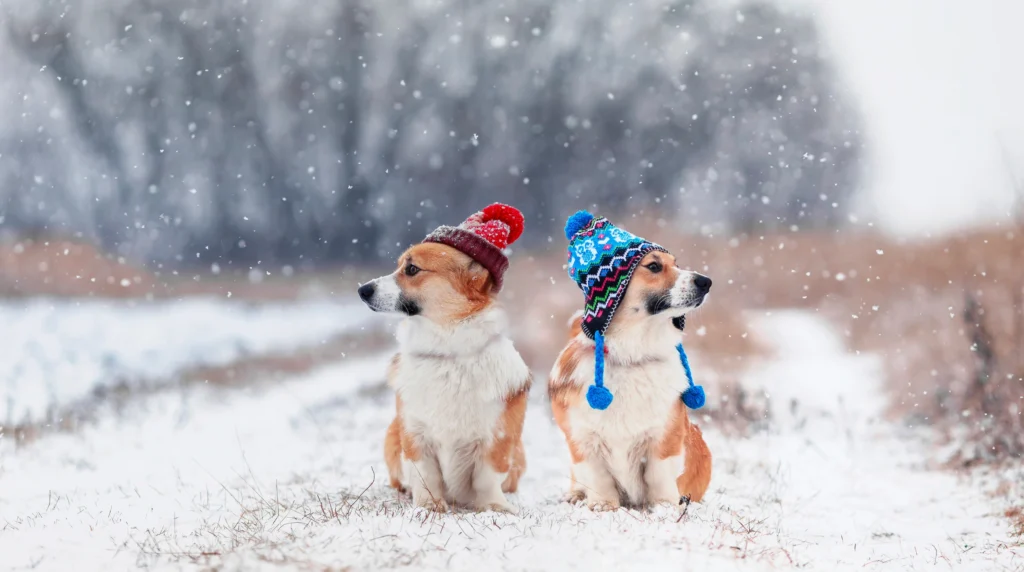
How Cold Affects Dogs and When It Becomes Dangerous
A dog’s normal body temperature is 38–39°C. When it drops below 37.5°C, hypothermia begins. Small dogs can lose heat in as little as 10–15 minutes in temperatures below 0°C. Signs of trouble include shivering, hunched posture, tucked tail, cold ears and paws, lethargy, slow breathing, or pale gums. Frostbite most often affects ears, tail, and paw pads — the skin turns pale or gray, then red and swollen. Never ignore these signs. Breeds with thick double coats (Huskies, Malamutes, Samoyeds) handle cold better, but even they need limits. Toy breeds, seniors, puppies under 6 months, and dogs with arthritis or heart conditions should spend minimal time outside in freezing weather.
Winter Clothing and Protective Gear
Not every dog needs a coat, but many do. Choose a waterproof, insulated jacket that covers the belly and chest (especially important for short-haired or low-body-fat dogs). Look for reflective strips for dark winter walks. Dog boots or paw wax (such as Musher’s Secret) protect against ice, salt, and chemicals that can burn paw pads and cause painful cracking. Apply wax before every walk and wipe paws thoroughly when you return home. For dogs that refuse boots, use a quick paw rinse with warm water and a soft towel. Sweaters or fleece vests are great for indoor dogs that feel the cold indoors.
Adjusting Exercise and Outdoor Time
Shorter, more frequent walks are better than one long outing in freezing weather. Aim for 10–20 minute sessions several times a day rather than one 45-minute walk. Walk during the warmest part of the day when possible. Avoid icy sidewalks — salt and de-icers can irritate skin and be toxic if licked. If your dog loves snow, let them play in a safe, fenced area but limit time to 15–20 minutes and watch closely. Indoor alternatives are essential on very cold or stormy days: hallway fetch, flirt pole, puzzle toys, or even a dog treadmill. Mental stimulation becomes even more important in winter when outdoor time is reduced.
Nutrition and Hydration in Cold Weather
Dogs that spend more time outside or have thick coats may need 10–20% more calories in winter to maintain body heat. Switch to a higher-calorie senior or performance formula only if your vet approves and your dog is active. Add warm water or low-sodium broth to meals to encourage eating and provide extra hydration. Fresh water must be available at all times — change it frequently because cold water is less appealing. Heated water bowls prevent freezing outdoors. Monitor weight closely; some dogs gain weight in winter due to less exercise, while others lose weight trying to stay warm.
Home Environment and Comfort Adjustments
Create warm, draft-free zones. Use elevated beds or add extra blankets and orthopedic cushions. Place beds away from cold windows and doors. A heated dog bed or a safe space heater (with automatic shut-off) can make a big difference for seniors or thin-coated dogs. Keep humidity in the house around 40–50% to prevent dry, itchy skin — a humidifier helps. Grooming is crucial in winter: brush more often to distribute natural oils and remove dead undercoat. Never shave double-coated breeds. Check ears and skin folds weekly for moisture that can lead to infections in cold, damp conditions.
Protecting Against Common Winter Hazards
- Antifreeze and de-icers: These are highly toxic. Use pet-safe ice melt and clean paws immediately after walks.
- Snow and ice ingestion: Eating snow can lower body temperature and cause stomach upset.
- Holiday dangers: Keep Christmas trees secure, avoid tinsel and toxic plants (poinsettia, holly), and store holiday lights and ornaments out of reach.
- Fireplaces and heaters: Use screens and never leave your dog unsupervised near heat sources.
- Carbon monoxide: Make sure detectors work — dogs are more sensitive than humans.
Special Care for Puppies, Seniors, and Special-Needs Dogs
Puppies have poor temperature regulation and should not be outside for more than a few minutes in cold weather until they are at least 6 months old. Seniors with arthritis benefit from ramps, heated beds, and joint supplements — cold makes stiffness worse. Dogs with hypothyroidism, heart disease, or diabetes need extra monitoring and possibly medication adjustments. Always consult your vet before winter starts for a tailored plan.
Daily Winter Checklist
- Short, warm walks during daylight hours
- Paw checks and wipes after every outdoor trip
- Fresh water multiple times a day
- Coats and booties when temperature drops below 5°C
- Extra brushing and skin checks
- Indoor enrichment games every day
- Monitor for shivering or lethargy
When to Call the Vet Immediately
Take your dog to the vet or emergency clinic right away if you notice: uncontrollable shivering, collapse, pale or blue gums, difficulty breathing, frostbite (gray/white skin), vomiting after being outside, or any behavior that seems “off.” Hypothermia and frostbite can progress very quickly.
In conclusion, winter dog care is about protection, adaptation, and extra attention to detail. By using proper clothing, limiting exposure, adjusting nutrition and exercise, and making small changes around the house, you can turn cold months into cozy, safe, and enjoyable ones for your dog. The effort you put in now prevents painful cracked paws, dry skin, hypothermia, and unnecessary vet visits. Your dog has given you love and loyalty all year — winter is your chance to return that care by keeping them warm and comfortable. Stay observant, stay prepared, and enjoy the quiet beauty of winter walks, warm cuddles by the heater, and the extra bonding time that cold weather naturally brings. With these strategies, your dog will stay happy, healthy, and full of energy no matter how low the temperature drops.