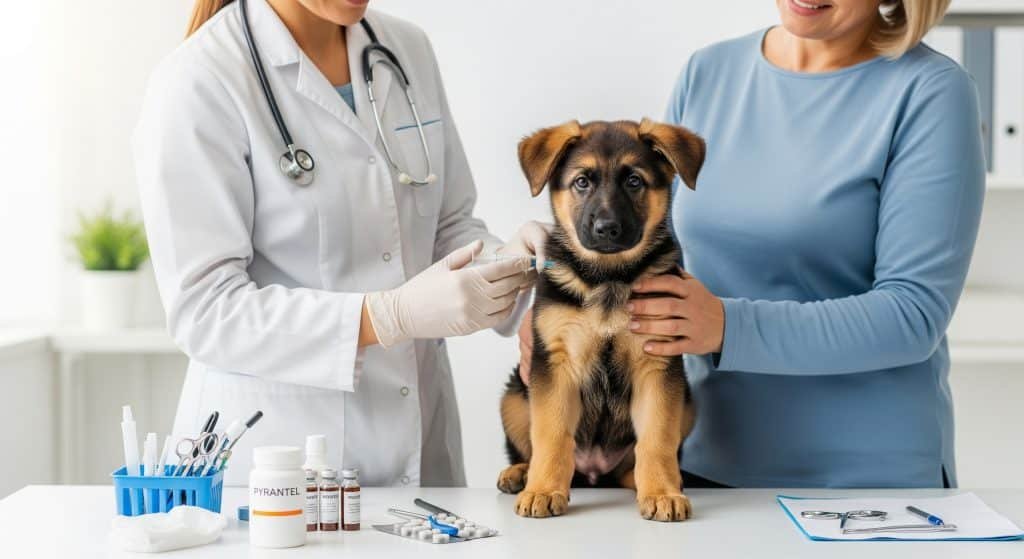
Vaccines and deworming are two of the most important preventive measures you can take to protect your dog’s health and extend their lifespan. These simple, routine procedures save thousands of dogs every year from serious, often fatal diseases. Yet many owners still skip doses, delay appointments, or rely on outdated information they hear from friends or online forums. Understanding exactly why vaccines and parasite control matter, when they are needed, and how to follow a proper schedule can make the difference between a long, happy life for your dog and heartbreaking, expensive medical emergencies. This comprehensive guide explains everything a responsible pet parent needs to know in 2026, including updated recommendations, common myths, and practical tips to keep your furry companion safe.
Vaccines work by teaching your dog’s immune system to recognize and fight specific viruses and bacteria before they cause illness. Without them, dogs remain vulnerable to highly contagious and dangerous diseases. The most critical ones are called “core vaccines.” These include:
- Distemper (a highly contagious virus that attacks the respiratory, gastrointestinal, and nervous systems)
- Parvovirus (a devastating intestinal disease that causes severe vomiting, bloody diarrhea, and dehydration, especially deadly in puppies)
- Adenovirus (which can lead to hepatitis and respiratory infections)
- Parainfluenza (a major contributor to kennel cough)
- Rabies (a fatal disease that is also a serious public health risk to humans)
Puppies receive their first core vaccines between 6 and 8 weeks of age. Because maternal antibodies from the mother’s milk can interfere with early shots, the series is repeated every 3 to 4 weeks until the puppy is 16 weeks old. A booster is given at 12 months, after which most dogs need revaccination only every 1 to 3 years, depending on lifestyle, local laws, and titer testing results. Titer testing measures antibody levels in the blood and can often allow you to extend intervals safely instead of vaccinating every year.
Non-core vaccines are given based on your dog’s specific risk factors. These include Bordetella (kennel cough), Leptospirosis, Lyme disease, Canine Influenza, and Rattlesnake venom vaccine for dogs in certain regions. If your dog goes to daycare, boarding facilities, dog parks, or hiking trails, these extra vaccines become much more important. Always discuss your dog’s daily routine with your veterinarian so they can create a personalized vaccination plan rather than following a one-size-fits-all approach.
Deworming is equally vital, especially in the first year of life. Puppies are often born with intestinal parasites passed from their mother or picked up from the environment. Common worms include roundworms, hookworms, whipworms, and tapeworms. These parasites steal nutrients, cause diarrhea, anemia, weight loss, and in severe cases can even block the intestines. The standard protocol starts deworming at 2 weeks of age, with treatments repeated every 2 weeks until 8 weeks, then monthly until 6 months. After that, most adult dogs need deworming every 3 to 6 months, or more frequently if they hunt, eat raw diets, or live in areas with high parasite pressure.
Heartworm prevention is a year-round necessity in most parts of the world. Heartworm disease is spread by mosquitoes and can cause severe lung and heart damage, leading to heart failure and death. Monthly oral or topical preventives also protect against fleas, ticks, and some intestinal worms. In warmer climates or places with mild winters, skipping even one month can leave your dog exposed. Many vets now recommend testing for heartworm annually before renewing the prescription.
Modern parasite preventives have become incredibly effective. A single monthly dose can protect against multiple threats at once. Topical spot-on treatments, oral chews, and even long-lasting injections (some lasting 6 or 12 months) make compliance easier for busy owners. Always use products purchased from licensed veterinarians or reputable pharmacies — counterfeit or over-the-counter products sold online frequently contain incorrect dosages or dangerous ingredients.
Many owners worry about “over-vaccinating” their dogs. This concern is understandable, but current veterinary guidelines have moved away from annual shots for all vaccines. Most core vaccines now provide immunity for three years or longer in adult dogs. Your vet can use titer testing to check immunity levels and avoid unnecessary shots. On the other hand, skipping vaccines entirely because of fear of side effects is far riskier. Vaccine reactions are rare — usually mild swelling at the injection site or slight lethargy for a day — and serious allergic reactions are extremely uncommon.
Special situations require extra attention. Pregnant dogs, dogs with weakened immune systems (due to illness or medication), and dogs that travel internationally may need modified schedules or additional vaccines. Puppies in shelters or rescue groups often receive an initial vaccine series before adoption, but you must continue the protocol with your own vet. Senior dogs still need core vaccines and parasite control, though the frequency may be adjusted based on overall health.
Keeping accurate records is crucial. Save every vaccine certificate and deworming receipt in a dedicated folder or digital app. Many boarding facilities, groomers, and dog parks require proof of up-to-date vaccinations. In case of a lost dog or emergency, these records can also help identify your pet quickly.
Common myths still circulate: “My indoor dog doesn’t need vaccines,” “Natural immunity is better,” or “Vaccines cause autism-like symptoms in dogs.” None of these are true. Even strictly indoor dogs can be exposed through visitors, shoes, clothing, or trips to the vet. Natural immunity only develops after surviving the actual disease — often at great cost. And there is zero scientific evidence linking properly administered vaccines to neurological problems in dogs.
Cost is another frequent concern. While vaccines and preventives do represent an ongoing expense, they are far cheaper than treating distemper, parvovirus, heartworm disease, or severe parasite infestations. Many clinics offer wellness packages or payment plans that bundle vaccines, deworming, and annual exams at a discount.
In conclusion, staying current with vaccines and deworming is one of the easiest and most responsible things you can do as a dog owner. These preventive steps protect not only your own pet but also the entire dog community by reducing the spread of contagious diseases. Work closely with your veterinarian to build a schedule that matches your dog’s age, lifestyle, location, and health status. Keep records organized, never skip doses without professional advice, and stay informed about local disease outbreaks. When you prioritize prevention, you give your dog the best possible chance at a long, active, and disea