Summer heat can be very dangerous for indoor pets, even those that never leave the house. Dogs, cats, rabbits, hamsters, guinea pigs, birds, and other small animals that live mainly indoors do not sweat like humans and can only cool themselves through panting or through the pads of their paws, so when temperatures rise they can overheat quickly. Flat-faced breeds, kittens and puppies, senior pets, overweight animals, and long-haired or thick-feathered pets are especially at risk. The good news is that you can protect your pet from extreme heat using simple, cheap habits you can do right at home every day. By making small adjustments to your daily routine, keeping the house cooler, encouraging hydration, and watching for early signs of trouble, you can keep your pet comfortable and safe all summer long without spending a lot of money or needing special equipment. This practical guide is made for regular pet owners who want easy, step-by-step ideas they can start using today in their own house, no matter what type of indoor pet they have.
Recognizing the Early Signs of Heat Stress
The sooner you notice that your pet is too hot, the easier it is to help them. Watch for these common signs during hot days: heavy panting even when resting, excessive drooling, bright red gums, lethargy, loss of appetite, vomiting, diarrhea, weakness or wobbly walking, and in more serious cases collapse or seizures. Many pets also hide in cool places like bathrooms or under beds when they feel overheated. If you see any of these signs, act immediately by moving your pet to a cooler area and offering fresh water. A quick home check you can do every morning in summer is to feel your pet’s ears and paws — they should feel only slightly warm, not hot. Doing this simple check every day helps you catch problems early before they become serious.
Keeping Your Pet Hydrated at Home
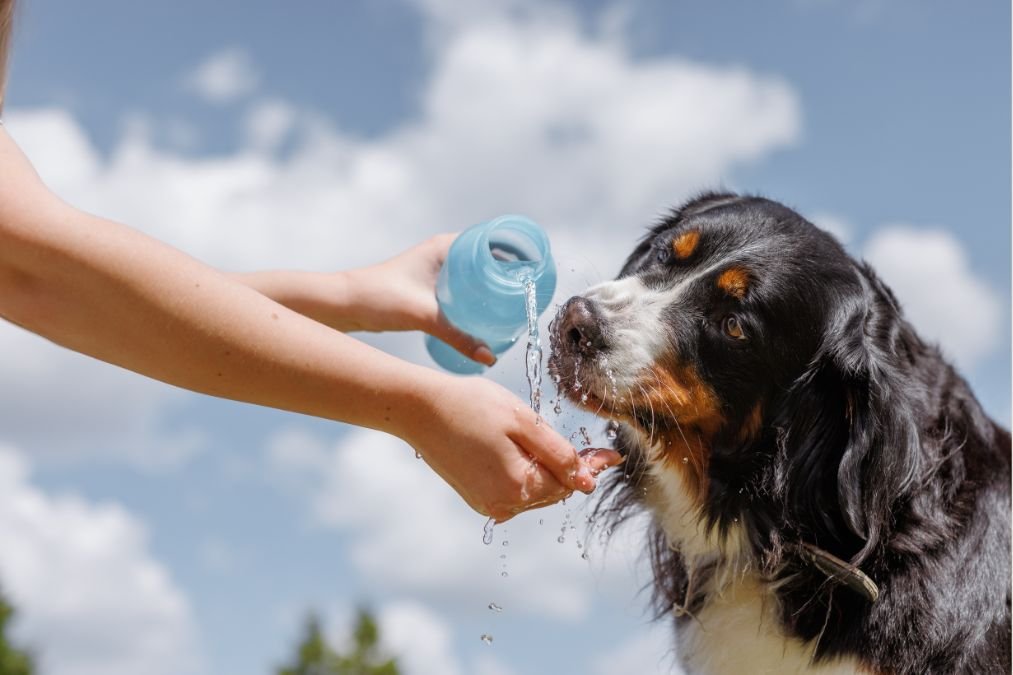
Indoor pets naturally drink less water than outdoor animals, so in hot weather it is very important to make drinking easy and attractive. Place several fresh water bowls in different rooms so your pet never has to walk far to drink. A cheap pet water fountain is one of the best investments because the moving water encourages pets to drink more. Change the water two or three times a day and add a few ice cubes to keep it cool. You can also mix a little low-sodium tuna juice, chicken broth, or safe fruit juice into one of the bowls to make the water more appealing. Wet food is another excellent way to increase hydration — serve at least one meal a day as wet food or add a little warm water to dry kibble or pellets. These small changes can greatly increase how much your pet drinks during hot weather and help prevent dehydration and urinary problems.
Cooling the House and Creating Comfortable Spaces
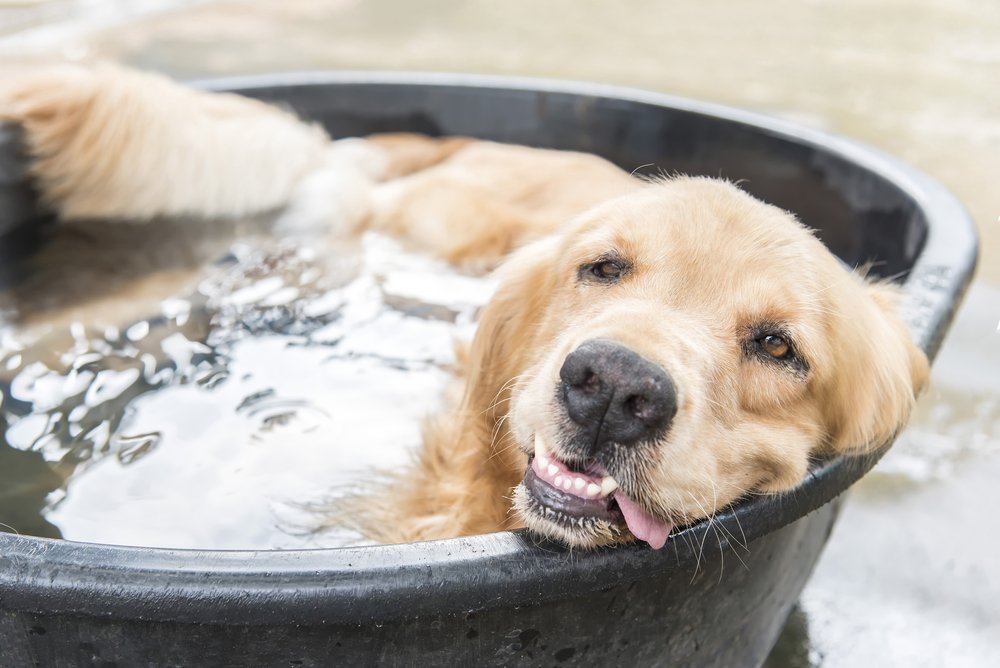
You don’t need air conditioning to keep your indoor pet cool. Close curtains and blinds during the hottest part of the day to block sunlight. Open windows in the early morning and evening to let cooler air in. Use floor fans on low speed pointed toward the floor so your pet can lie in front of them. Place a frozen water bottle wrapped in a towel or a cooling mat (or even a damp towel that you put in the freezer for a short time) in your pet’s favorite resting spots. Many pets love lying on tile or bathroom floors because they stay cooler — leave the bathroom door open and put a soft towel there for comfort. Create several cool resting areas in different rooms so your pet can move to the coolest spot as the day gets hotter. These simple home adjustments can lower the temperature your pet feels by several degrees without any extra cost.
Adjusting Play and Exercise in Hot Weather
Indoor pets still need daily movement even in summer, but you must change the timing and intensity. Play in the early morning or after sunset when the house is cooler. Keep sessions short — 5 to 10 minutes is enough — and use gentle toys that don’t make your pet run too much. Avoid laser pointers during the hottest hours because they can make pets overexert themselves. Instead, use slow wand toys or hiding treats around the room so your pet can hunt at a relaxed pace. For rabbits, guinea pigs, and hamsters, provide a safe playpen with cool flooring. For birds, allow short flying time in a cooler room. These small changes keep your pet active without risking overheating.
Grooming and Coat/Feather Care During Summer
Regular grooming helps remove loose fur or feathers that trap heat. Brush your pet every day or every other day with a soft brush, especially if they have long or thick fur/feathers. This also reduces the amount of hair or dander they swallow, which prevents hairballs that can be worse in hot weather. For long-haired pets, a light trim around the belly and rear (done carefully at home or by a groomer) can make them feel much cooler. Wipe your pet’s paws and belly with a cool damp cloth once or twice a day to help lower their body temperature. Never shave a pet completely because the fur or feathers protect their skin from sunburn and helps regulate temperature.
Daily Summer Routine You Can Follow at Home
A simple routine makes summer much easier for your indoor pet:
- Morning: fresh cool water, small breakfast, short gentle play session
- Midday: keep curtains closed, offer wet food and ice water, let your pet rest in cool spots
- Afternoon: quick grooming or damp cloth wipe, another small meal
- Evening: longer play session after the sun goes down, fresh water and a cool resting place
- Night: leave a fan on low and make sure water bowls are full
This routine takes only a few extra minutes but keeps your pet comfortable throughout the hottest days.
Simple Weekly Checklist for Summer
- Monday: wash all bedding and pet beds in cool water
- Wednesday: deep clean water bowls and add ice
- Friday: full grooming session and check paws for heat
- Sunday: full house check — close blinds, test fans, refresh cooling spots
Following this checklist keeps everything organized and prevents problems before they start.
Common Mistakes and Easy Fixes
- Leaving windows open without screens — fix: install cheap mesh screens or keep windows closed during the day.
- Playing too hard in the afternoon — fix: move all active play to morning and evening.
- Forgetting to refresh water — fix: set a phone reminder to change water twice a day.
- Assuming indoor pets don’t get hot — fix: remember that closed houses can become very warm even without direct sun.
Special Tips for Kittens, Puppies, Seniors, and Flat-Faced Pets
Kittens, puppies, and young animals overheat faster, so give them extra cool spots and shorter play sessions. Senior pets also need more attention because they have less ability to regulate temperature. Flat-faced dogs and cats need even more care because they pant less efficiently — keep them in the coolest room and watch them closely. Overweight pets need extra care because extra weight makes heat harder to handle.
When to Call the Vet Immediately
Contact the vet or go to an emergency clinic right away if your pet shows heavy panting that doesn’t stop after resting, vomiting, diarrhea, weakness, collapse, or seizures. These are signs of heatstroke and need fast professional help.
In conclusion, protecting your indoor pet from extreme summer heat is something every owner can do successfully at home with simple daily habits. Keeping water fresh and cool, closing curtains, using fans, offering wet food, brushing regularly, and adjusting play times are all easy actions that make a huge difference. These routines cost almost nothing, take only a few minutes a day, and help your pet stay comfortable, hydrated, and happy even when the weather is very hot. Start today by placing an extra water bowl in a cool spot and closing the curtains during the day. Within a short time you will see your pet relaxing more, drinking better, and enjoying summer without discomfort. Summer care at home is one of the best ways to show your indoor pet how much you care, and it keeps them safe and content all season long. With the practical tips in this guide, you can give your pet a cool, comfortable summer right in your own house and enjoy many happy, stress-free days together.