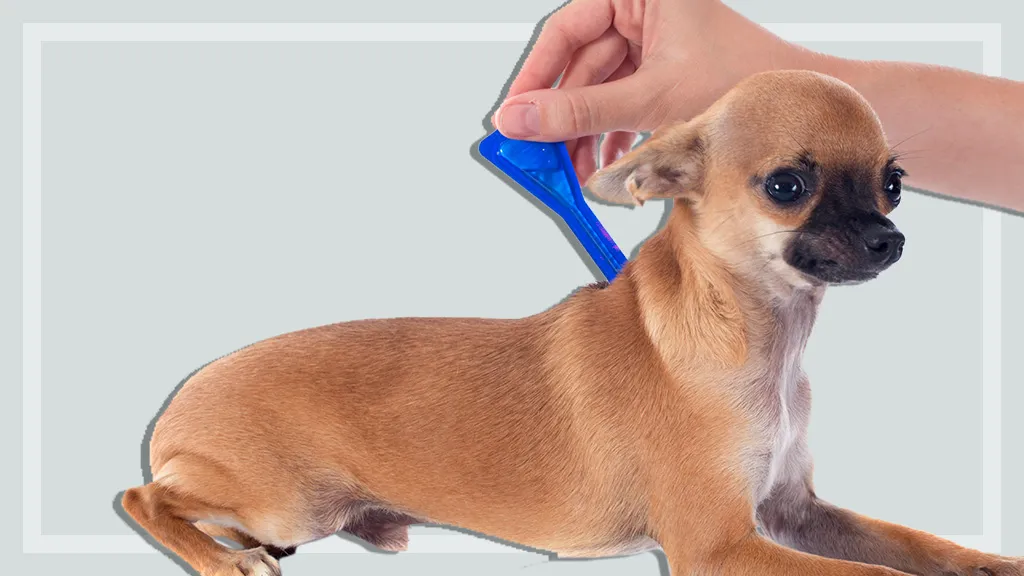
Preventing fleas, ticks, worms and mites is one of the most practical and effective things you can do to keep your indoor pet healthy and comfortable throughout the year. Even pets that never leave the house can pick up these parasites because fleas can hitchhike on your clothes or shoes, ticks can come in from a short walk in the grass, worms can arrive through food or insects that sneak inside, and mites spread quickly in warm or humid environments. These tiny invaders cause itching, hair loss, skin irritation, anemia, digestive problems and sometimes more serious illnesses. The good news is that you can stop most of these problems before they start using simple, low-cost habits you can build into your normal daily and weekly routine at home. You don’t need expensive monthly treatments every single month or complicated products. Consistent small actions such as regular brushing, thorough vacuuming, clean bedding and quick weekly checks are enough for most indoor pets, including dogs, cats, rabbits, hamsters, guinea pigs, birds and other small animals. This practical guide gives you clear, step-by-step ideas that any pet owner can start using today without spending much money or needing special equipment.
Indoor pets are still exposed to risks even when they stay inside all the time. You can bring parasites home on your shoes, bags or clothes after being outdoors. Fleas and mites can hide in carpets, furniture and pet beds for weeks, while some worms come from eating a stray insect or contaminated food. Because indoor pets live in the same closed space every day, an infestation can spread fast and become difficult to control once it starts. When you practice simple prevention habits every day and every week, you break the life cycle of these parasites before they multiply. This saves you money on treatments, reduces itching and discomfort for your pet, and helps them stay active, eat well and enjoy life without constant irritation. The key is to make prevention part of your normal cleaning and care routine so it feels easy and automatic rather than an extra chore.
Daily brushing or combing is one of the easiest and most effective ways to catch parasites early. Spend just a few minutes each day running a fine flea comb or soft brush over your pet’s coat or feathers while they are relaxed. Do this on a white towel or sheet so you can easily see any black specks (flea dirt), small moving dots or unusual debris. For dogs and cats, focus on the neck, belly, base of the tail and behind the ears. For rabbits and guinea pigs, brush gently along the back and sides. Hamsters and small rodents need only light brushing with a soft toothbrush. Birds benefit from gentle feather smoothing with a soft cloth. This quick daily habit not only removes loose fur and dander but also lets you spot fleas, ticks or mites immediately so you can take action before the problem grows.
Vacuuming is another powerful home prevention tool that works for every indoor pet. Vacuum floors, furniture, pet beds, corners and under sofas at least twice a week. Pay special attention to areas where your pet spends the most time. Empty the vacuum bag or canister outside the house immediately so any fleas or eggs do not escape back inside. For birds and small rodents, vacuum around the cage daily and wipe the bars with a damp cloth. Washing pet bedding, blankets, cage liners and towels in hot water every 7 to 10 days kills many parasite eggs and larvae. Adding a small amount of white vinegar to the wash helps naturally. These cleaning habits remove the hidden stages of fleas, mites and worms that live in the environment rather than on the pet itself.
Creating and following a simple weekly parasite check routine makes prevention effortless. Pick one calm day each week and spend 10 minutes doing a full body check. Run the flea comb slowly over the entire pet, look inside ears for dark wax or mites, feel the skin for small bumps or scabs, and check between toes and under the chin. For rabbits and guinea pigs, also look at the rear area. For hamsters, check the fur and ears carefully. For birds, examine feathers and skin around the vent. Write down anything unusual in a small notebook so you can see changes over time. This weekly check, combined with daily brushing and regular vacuuming, catches almost all problems early while they are still easy to manage at home.
For fleas specifically, the combination of brushing, vacuuming and hot-water washing is usually enough for strictly indoor pets. If you ever see fleas, repeat the vacuuming and washing every day for one week and the problem usually disappears quickly. For ticks, do a quick full-body check every time your pet has been outside or near open windows. If you find a tick, use a proper tick remover tool and pull it straight out. For worms, scoop litter boxes or clean cages daily to remove eggs before they spread, and give an easy worm treatment mixed with food every three months. For mites, keep ears clean with a damp cotton ball once a week and watch for head shaking or excessive scratching. These targeted habits are simple to remember and work well for all indoor pets without needing monthly chemical treatments in most cases.
Extra daily habits that support prevention include keeping water bowls clean and fresh, offering a balanced diet so your pet’s immune system stays strong, and using a pheromone diffuser in the main room to keep your pet calmer. Calmer pets tend to have stronger natural defenses against parasites. For multiple-pet homes, check each animal individually during grooming time so no one is missed. For young or senior pets, do the checks more gently and a little more often because they are more vulnerable.
Common mistakes many owners make include thinking that indoor pets don’t need prevention, only treating when they see visible fleas, or forgetting to vacuum under furniture. The easy fix is to make brushing, vacuuming and the weekly check part of your normal cleaning day so they become automatic. Using strong chemical sprays inside the house is rarely necessary; sticking to mechanical cleaning and pet-safe habits works better and is safer for your pet.
When to call the vet is straightforward: if you see constant scratching, hair loss in patches, dark dirt in ears, worms in poop, lethargy, weight loss or pale gums, contact your vet the same day. Early treatment is much easier and cheaper than waiting for a full infestation.
In conclusion, preventing fleas, ticks, worms and mites in indoor pets is something every owner can do successfully at home with simple daily and weekly habits. Daily brushing or combing, regular vacuuming, hot-water washing of bedding, scooping litter or cleaning cages, and a quick weekly body check are all easy actions that keep your pet protected without spending a lot of money. These routines cost almost nothing, take only a few minutes and prevent the itching, discomfort and health problems these parasites can cause. Start today with one small change — perhaps the daily flea comb brush or setting a reminder for the weekly check. Within a couple of weeks these habits will feel normal, and you will notice your pet scratching less, looking better and seeming more relaxed. Prevention at home is one of the best ways to show your indoor pet how much you care. Your pet will thank you with more energy, more play and many healthy, comfortable years together in your house. Small, consistent actions really do keep parasites away and make life much better for both of you.