Bringing a new dog into your home is an exciting milestone, but it can also be overwhelming if you’re not prepared. The first few days and weeks set the tone for your entire relationship with your new companion. A well-prepared home reduces stress for both you and the dog, prevents accidents, speeds up house training, and helps your new pet feel safe and confident from day one. Whether you are adopting a puppy, rescuing an adult dog, or welcoming a senior, thorough preparation is the difference between chaos and a smooth, joyful transition. This ultra-detailed 2026 guide covers everything you need to do before the big day — from creating a complete shopping list to puppy-proofing every room, setting up safe zones, introducing family members and existing pets, and planning the critical first 48 hours. Follow this checklist and you will start your journey together on the right paw.
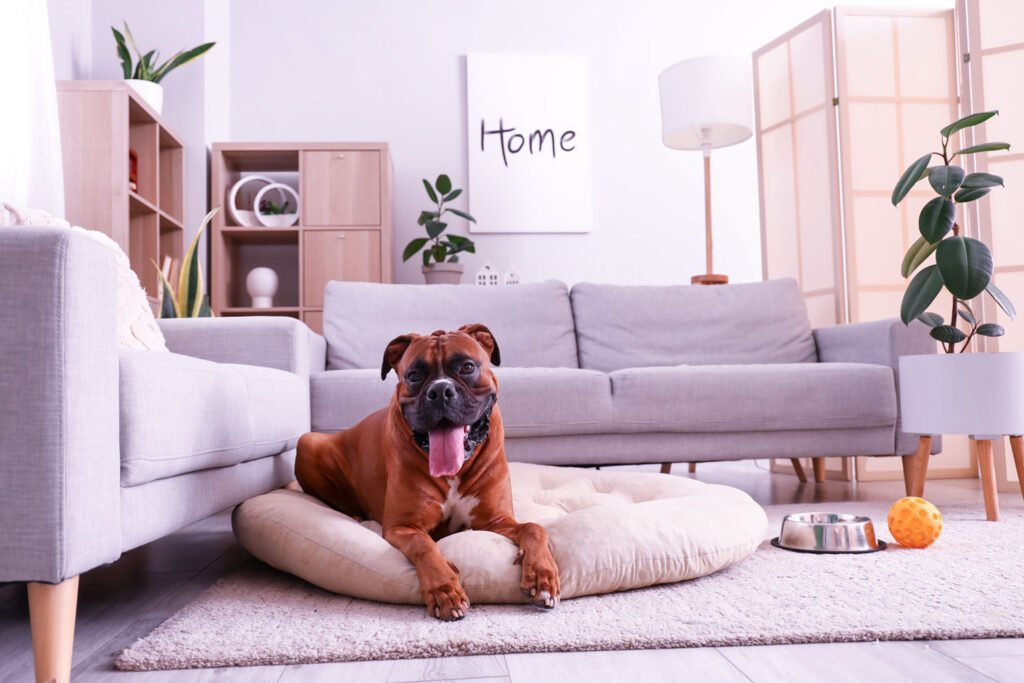
Step 1: Create a Complete Shopping List (Do This 1–2 Weeks Before Arrival)
Stock up on essentials so you’re not running to the store while trying to supervise a curious new dog. Must-have items include:
- High-quality food and treats appropriate for age/breed/size (buy a small bag first in case of stomach sensitivity)
- Stainless steel or ceramic food and water bowls (avoid plastic that can harbor bacteria)
- Adjustable collar or harness + ID tag with your phone number and “microchip” note
- 1.5–2 meter leash (plus a longer training leash)
- Comfortable crate sized for the dog to stand up and turn around (never use as punishment)
- Orthopedic or memory-foam bed
- Puppy pads or outdoor potty training bells
- Enzyme-based cleaner for accidents
- Safe chew toys (Kongs, Benebones, Nylabones)
- Grooming supplies (brush, nail clippers, dog shampoo)
- Baby gates, playpen, or exercise pen
- Dog camera or baby monitor for supervision
- First-aid kit (bandages, antiseptic, tick remover, vet’s number)
Buy two of everything if possible — one for the main living area and one for the car or travel bag.
Step 2: Puppy-Proof (or Dog-Proof) Your Entire Home
Walk through every room as if you were a curious, teething, or energetic dog. Remove or secure:
- Electrical cords (use cord protectors or hide them)
- Toxic houseplants (lilies, philodendron, aloe, pothos)
- Small objects that can be swallowed (coins, socks, children’s toys)
- Trash cans with locking lids
- Cleaning products, medications, and human food (especially chocolate, grapes, onions, xylitol)
- Shoes, clothing, and anything with strong scents
- Furniture with loose cushions or strings
In the kitchen: install child locks on lower cabinets and move the trash bin.
In the bathroom: keep toilet lids closed and store toiletries high up.
In the living room: secure TV stands and bookshelves that could tip over.
In bedrooms: close closets and use baby gates to block off areas with delicate items.
Outdoors: check fences for gaps, remove sharp objects, secure gates, and remove toxic garden plants or chemicals.
Step 3: Set Up the Safe Zone and Sleeping Area
Choose a quiet corner (not too isolated) as the dog’s “home base.” Place the crate or bed here with a washable blanket that smells like the previous home if possible (ask the breeder/shelter for one). Add a couple of safe toys and a water bowl. This zone becomes their safe space during the chaotic first days. For puppies, keep the area small at first (use a playpen) so they don’t wander too far and have accidents. For adult dogs, give them more space but still have a clear “den” they can retreat to.
Step 4: Prepare for House Training and Potty Schedule
Decide on the potty spot outside and create a direct path from the safe zone to that door. Hang a bell or use a consistent cue word (“Go potty”). Stock up on puppy pads only as a backup — the goal is outdoor training from day one. Plan to take the dog out every 1–2 hours for puppies, after meals, naps, and play. Set phone alarms for the first week so you never miss a potty break.
Step 5: Introduce Family Members and Existing Pets Gradually
Talk to everyone in the household about rules before arrival: no chasing, no rough play, calm voices, and let the dog approach first. If you have other dogs or cats, arrange a neutral-territory meeting (on a walk or in the yard) before bringing the new dog inside. Keep initial interactions short and supervised. Have separate safe spaces ready so no one feels threatened. Children should be taught gentle petting and to give the dog space when it wants to rest.
Step 6: Plan the First 24–48 Hours in Detail
The first day is exhausting for the new dog. Keep it low-key: short potty breaks, meals, gentle exploration, and lots of rest. Avoid inviting friends over, big parties, or long car rides. Establish the daily routine immediately — same feeding times, same potty schedule, same bedtime. Take the dog to the vet within 72 hours for a full check-up, even if they came with records.
Step 7: Special Considerations by Age and Background
- Puppies (8–16 weeks): Heavy supervision, frequent potty breaks, teething toys everywhere, and early socialization plan.
- Adult Rescue Dogs: They may be fearful or have unknown habits — give them extra time to decompress. Use pheromone diffusers (Adaptil) to help them relax.
- Senior Dogs: Softer beds, ramps, raised bowls, and a very quiet first week to avoid overwhelming them.
Step 8: Long-Term Adjustments and Ongoing Safety
After the first month, gradually expand freedom as the dog proves trustworthy. Install a doggy door or automatic feeder if your schedule is busy. Update microchip information immediately and register it. Take clear photos and videos on day one in case the dog ever gets lost. Schedule a follow-up vet visit in 2–3 weeks to check adjustment.
Common Mistakes to Avoid
- Overwhelming the dog with too many people and stimuli on day one.
- Free-roaming the entire house too soon.
- Punishing accidents instead of managing prevention.
- Leaving the dog alone for long periods in the first week.
- Forgetting to secure the yard or balcony (many dogs escape in the first days).
Budget-Friendly Tips
Many items can be found second-hand or made at home: old blankets for beds, cardboard boxes for toys, and kitchen items for enrichment games. Focus your spending on safety (crate, gates, harness) and quality food — everything else can be upgraded later.
In conclusion, preparing your home for a new dog is an act of love that pays off immediately and for years to come. By creating a safe, organized, and welcoming environment before they arrive, you eliminate most of the stress, accidents, and confusion that new owners often face. Your new dog will feel secure faster, learn the house rules quicker, and bond with you more deeply. Take the time now to follow this complete checklist, and you will look back on the first weeks as some of the smoothest and happiest moments of your life together. The effort you put in before the dog walks through the door is the foundation for a lifetime of trust and joy. Welcome your new family member with confidence — a prepared home is the very first gift you can give them. Enjoy every second of this new chapter; it goes by faster than you think.