Preparing your home before a new cat arrives is one of the most important steps you can take to make the transition smooth, safe, and stress-free for both you and your new feline friend. Cats are sensitive to their environment, and a well-prepared house helps them feel secure from the very first day, reduces the chance of accidents, prevents destructive behavior, and allows them to settle in much faster. You don’t need to spend a lot of money or buy professional equipment — most of what you need can be done with simple items you already have or can buy cheaply at any pet shop or supermarket. This practical guide is made for regular cat owners who want clear, step-by-step ideas they can follow at home. By doing these preparations in advance, you will avoid the common chaos of the first few days and start building a strong, happy relationship with your new cat right away.

Start with a Complete Shopping List
A few days before the cat arrives, make sure you have everything ready so you are not rushing around while trying to watch a nervous new cat. The basic essentials include:
- High-quality kitten or adult cat food (start with the same brand the previous owner or shelter was using)
- Several sturdy food and water bowls (stainless steel or ceramic are best because they are easy to clean)
- A large, open litter box (plus one extra if you already have other cats) and a big bag of unscented clumping litter
- A comfortable bed or soft blanket for sleeping
- A scratching post or simple cardboard scratcher
- A few safe toys (wand toy, balls, and a couple of cardboard boxes)
- Baby gates or a playpen to create a safe room at first
- Enzymatic cleaner for any accidents
- A carrier for safe transport home
Having these items ready in advance means you can focus completely on your new cat instead of running to the store.
Cat-Proofing Your House – Room by Room
Walk through every room as if you were a curious cat and remove or secure anything that could be dangerous. Start in the kitchen: put all cleaning products, medicines, and plastic bags in high cabinets. Move the trash can to a place with a lid or behind a door. In the living room, secure loose wires with tape or covers and move small decorative objects that could be knocked over. Check bedrooms and bathrooms for open toilets, exposed cords, and small items like coins or hair ties that a cat might swallow. In the whole house, block access to balconies, windows without screens, and any spaces where the cat could get stuck (behind refrigerators, inside drawers, or under sofas). Use baby gates to close off rooms you don’t want the cat to explore in the first few days. These small safety steps prevent most accidents and give you peace of mind.
Setting Up the Safe Room
The first few days are much easier if your new cat has one dedicated safe room. Choose a quiet room such as a bathroom, guest bedroom, or a corner of the living room closed off with a baby gate. Inside this room place:
- The litter box in one corner (far from the food)
- Food and water bowls in another corner
- A soft bed or folded blanket
- A scratching post or cardboard scratcher
- A few toys and an empty cardboard box for hiding
Add an old T-shirt or towel that has your smell on it so the cat feels comforted. Keep the room warm, quiet, and well-lit. This safe space becomes their home base while they get used to the new smells and sounds of your house. After a few days, when the cat seems relaxed, you can start letting them explore one new room at a time under supervision.
Preparing for the First 24–48 Hours
The first two days are all about calm and routine. Plan to stay home if possible. When you bring the cat home, place the carrier in the safe room, open the door, and let them come out on their own. Sit quietly on the floor and let them approach you. Offer food, water, and a clean litter box right away. Keep visits short and calm — no loud music, no big parties, and no forcing the cat to interact. Feed them at the same times every day and scoop the litter box twice a day so they quickly learn where everything is. These first hours are crucial for building trust, so the more relaxed and predictable the environment is, the faster your new cat will feel at home.
Introducing Your New Cat to Family and Other Pets
Talk to everyone in the house before the cat arrives so all family members know the rules: move slowly, speak softly, let the cat come to them, and never chase or pick up the cat if they are scared. If you already have other cats or dogs, keep them completely separate for the first few days. Use a baby gate or close doors so they can smell each other under the door without seeing each other. After a few days, you can start short, supervised meetings in neutral spaces. Always have an escape route for the new cat and never force interactions. This slow introduction prevents fighting and helps everyone get along faster.
Establishing Daily Routines from Day One
Start good habits immediately:
- Feed meals at the same times every day
- Play for 10–15 minutes twice a day with a wand toy
- Scoop the litter box morning and night
- Do a gentle brushing or petting session so the cat gets used to being touched
- Keep the house calm in the evening so the cat learns when it is time to rest
Consistency in the first week makes the cat feel secure and helps them learn the house rules quickly.
Common Mistakes Many New Owners Make
- Letting the cat roam the entire house on the first day — this can be overwhelming and lead to hiding or accidents.
- Forgetting to cat-proof the house — small objects and open cabinets cause many problems.
- Making loud noises or having too many visitors right away — this increases stress.
- Punishing accidents instead of cleaning thoroughly — this makes the cat more anxious.
Avoiding these simple mistakes makes the first week much smoother.
Long-Term Adjustments After the First Week
Once your cat is comfortable in the safe room, gradually open up more of the house, one room at a time. Add more scratching posts, climbing places, and toys as they explore. Continue the same feeding and litter box schedule so the cat knows what to expect. Take notes for the first two weeks about what your cat likes and doesn’t like so you can adjust the environment to suit their personality.
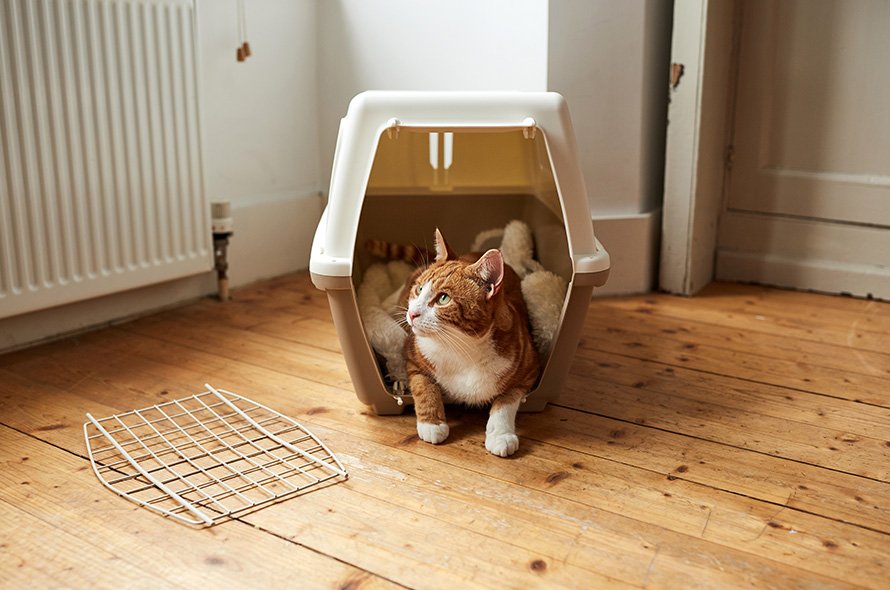
Simple Checklist You Can Follow Before the Cat Arrives
- Buy food, bowls, litter box, litter, bed, and toys
- Cat-proof the whole house
- Set up the safe room completely
- Talk to family about rules and routines
- Plan the first two days to be calm and quiet
By completing this checklist, you will be fully ready when your new cat walks through the door.
In conclusion, preparing your home before bringing home a new cat is a simple but very powerful way to give them the best possible start. With a good shopping list, cat-proofing, a safe room, calm first days, and consistent routines, you can avoid most common problems and help your new cat feel safe and loved from the very beginning. All of these steps use basic items and can be done at home without spending a lot of money. Start today by making your list and preparing one room — the effort you put in before the cat arrives will make the first weeks much easier and more enjoyable for everyone. A well-prepared home shows your new cat that they are welcome and safe, and it helps you build a strong, happy relationship right from day one. Your new cat will thank you with more confidence, fewer accidents, and lots of purrs and cuddles as they settle happily into their new life with you.