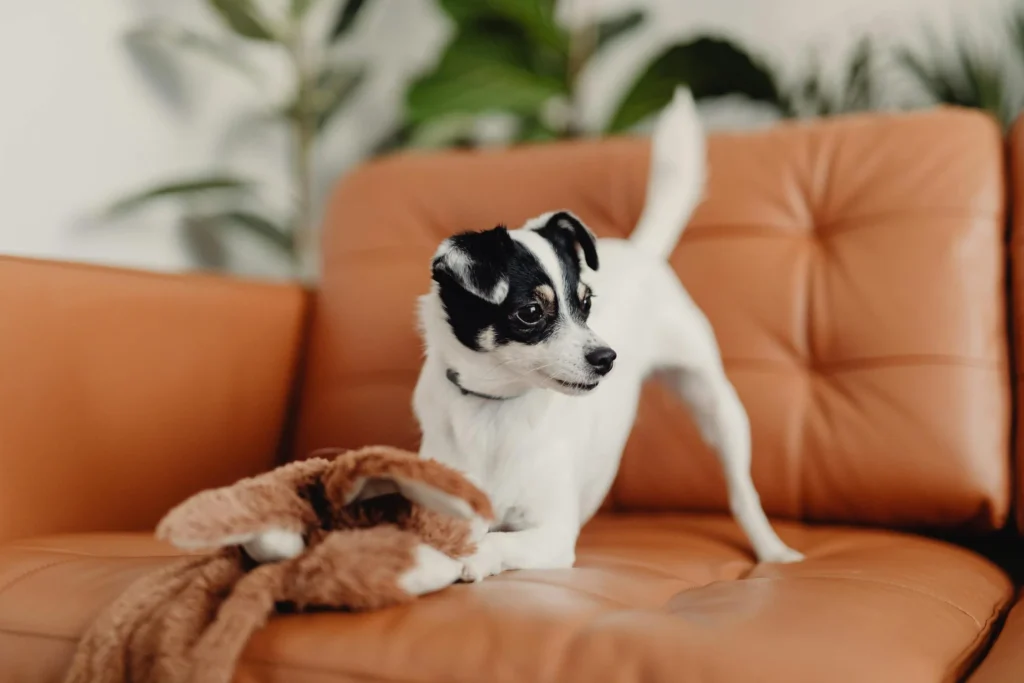
Environmental enrichment is one of the easiest and most effective ways to keep your indoor pet happy, active, and mentally healthy every single day. Indoor pets such as dogs, cats, rabbits, hamsters, guinea pigs, birds, and other small animals spend most of their time in the same limited space, so without regular mental and physical stimulation they can quickly become bored, overweight, anxious, or start showing unwanted behaviors like excessive chewing, digging, barking, meowing, or hiding. When you give your pet simple, everyday opportunities to use their natural instincts to explore, hunt, climb, forage, and solve small puzzles, they stay calmer, sleep better, play more enthusiastically, and develop a stronger bond with you. The best part is that you don’t need expensive toys or complicated setups. The 15 cheap ideas in this guide use things you probably already have at home or can buy for very little money, and they can be put into practice immediately with almost no preparation. By adding just a few of these activities to your daily or weekly routine, you will notice your pet becoming more confident, less destructive, and genuinely more content within just a few days.
One of the simplest yet most powerful forms of enrichment is turning mealtime into a game. Instead of simply pouring food into a bowl, scatter a small portion of dry kibble or a few treats across the floor, hide some pieces under a towel, or place them inside an empty cardboard box with holes cut in the sides. Your pet will spend ten to fifteen minutes sniffing, pawing, and searching, which mimics the natural hunting or foraging behavior they would do in the wild. This not only burns mental energy but also slows down eating, which helps prevent overeating and digestive upset. Another easy option is to use an old muffin tin by placing a piece of food or treat in each cup and covering them with crumpled paper or small balls so your pet has to push the covers aside to reach the reward. These types of feeding games are completely free once you have the basic items and can be changed every few days simply by using different containers or hiding spots around the living room or play area.
Cardboard boxes and paper bags are fantastic enrichment tools that cost nothing and provide hours of entertainment for almost any indoor pet. Leave an empty cardboard box on the floor with a few small holes cut in the sides and drop a couple of treats or a toy inside. Your pet will jump in, explore, bat at the holes, and even use it as a hiding spot or scratching surface. You can make it more interesting by connecting several boxes with tape to create tunnels or stacking them at different heights so your pet can climb and jump safely. Similarly, a simple paper bag turned on its side with the handles cut off becomes an instant cave for hiding and pouncing. Rotate the boxes every week or add new holes and treats to keep the activity fresh. These homemade structures encourage natural behaviors like exploring tight spaces and ambushing “prey,” which greatly reduces boredom and helps your pet feel more in control of their environment.
Vertical space is extremely important for most indoor pets because they naturally love to climb and observe from high places. You can create cheap vertical enrichment by placing sturdy shelves at different heights on the wall, using old bookshelves turned on their side, or even stacking stable cardboard boxes to make a simple climbing structure. Add a soft cushion or an old towel on top for comfort. Encourage your pet to use the new heights by placing a treat or toy on the highest shelf during playtime. This type of setup allows your pet to jump, stretch, and watch the world from above, which satisfies their instinct to survey their territory and greatly reduces the urge to climb curtains or furniture. Even in small apartments, a few well-placed shelves can make a huge difference in your pet’s daily activity level and overall happiness.
Interactive toys that make your pet work for food or movement are another excellent and inexpensive way to fight boredom. A plastic bottle with holes poked in the sides and filled with a handful of kibble becomes a rolling treat dispenser that your pet will chase and bat around the floor for several minutes. Empty toilet paper rolls stuffed with treats and folded at the ends work the same way and can be made in seconds. You can also create a simple digging box by filling a shallow plastic container with shredded paper or safe soil and hiding a few toys or treats inside for your pet to discover. These games use your pet’s natural curiosity and hunting drive, providing both physical exercise and mental stimulation without any ongoing cost after the first time you set them up.
Scent games are particularly powerful because a pet’s sense of smell is incredibly strong and using it tires them out mentally in a very satisfying way. Hide small pieces of treats or a favorite toy in different rooms and encourage your pet to follow the scent trail by saying “find it” in an excited voice. You can make the game more challenging by placing the treats under furniture, inside boxes, or even on low shelves. Another easy scent activity is to rub a small amount of catnip, silver vine, or a safe herb on a cloth or toy and hide it somewhere in the house. These scent-based games can be done daily and are especially useful on rainy days or when you cannot play actively with your pet for long periods.
Play tunnels made from cheap pool noodles cut in half or from old cardboard boxes taped together give your pet a safe place to run, hide, and ambush. You can move the tunnel around the house every few days or add new openings so the layout changes and stays interesting. Combine this with a wand toy by dragging the toy through the tunnel so your pet has to chase it from inside. These kinds of activities satisfy the instinct to stalk and pounce while keeping your pet physically active and mentally engaged without leaving the living room.
For pets that enjoy water or cooling off, a shallow basin with a few inches of water and some floating toys or ice cubes can become a fun enrichment station, especially in warmer months. Many pets love to bat at the floating objects or even dip their paws in the water. This provides gentle exercise and mental stimulation while also helping them stay cool and hydrated. If your pet is not interested in water, you can achieve a similar effect by freezing some wet food or broth into small cubes and letting them lick and chase the melting pieces around the floor.
The key to successful enrichment is rotation and variety. Keep a small box with different items such as crumpled paper balls, empty boxes, toilet paper rolls, and old socks stuffed with safe herbs. Bring out two or three new items every few days and put the old ones away so everything feels fresh again. This prevents your pet from losing interest and keeps their brain active day after day. Even something as simple as moving the food bowl to a different location or placing a new cardboard box in the middle of the room can spark curiosity and encourage exploration.
By consistently offering these cheap and easy forms of environmental enrichment, you will see noticeable improvements in your pet’s behavior and mood. They will scratch or chew less on furniture, vocalize less for attention, play more enthusiastically, and generally seem calmer and more content. These activities also strengthen the bond between you and your pet because you are actively participating in their daily happiness. The best enrichment is the kind that fits naturally into your routine and uses things you already have at home, so there is no ongoing cost and very little extra effort once the habits are established.
In conclusion, environmental enrichment is a simple but powerful way to keep your indoor pet mentally stimulated and physically active without spending much money or time. The fifteen cheap ideas presented here — from scattering food and using cardboard boxes to creating scent games, vertical space, tunnels, and rotating toys — can all be done right in your own house with items you probably already own. By adding just a few of these activities to your daily or weekly routine and rotating them regularly, you will prevent boredom, reduce unwanted behaviors, and give your pet the mental and physical outlet they need to stay happy and healthy. Start small today by choosing one or two ideas that seem easiest for your home and your pet’s personality. Within a short time you will notice your pet becoming more playful, more confident, and more relaxed. A mentally enriched pet is a happier pet, and a happier pet makes for a much more enjoyable life together at home. These small, practical changes really do create big improvements in your pet’s daily well-being, and they are things any owner can do with love and consistency.