Feeding your indoor pet the right way is one of the simplest and most important things you can do to keep them healthy, energetic, and happy for many years. Whether you have a dog, cat, rabbit, hamster, guinea pig, bird, or any other small animal that lives mainly inside the house, proper nutrition affects their weight, digestion, coat or feathers, energy levels, and even behavior. The good news is that you don’t need expensive specialty foods or complicated schedules. With a few easy habits you can build into your normal day using affordable items from any supermarket or pet shop, you can give your pet balanced meals that support their specific needs. This practical guide is made for regular pet owners who want clear, step-by-step ideas they can start using today at home, no matter what type of indoor pet they have.
Why Good Feeding Matters for Every Indoor Pet
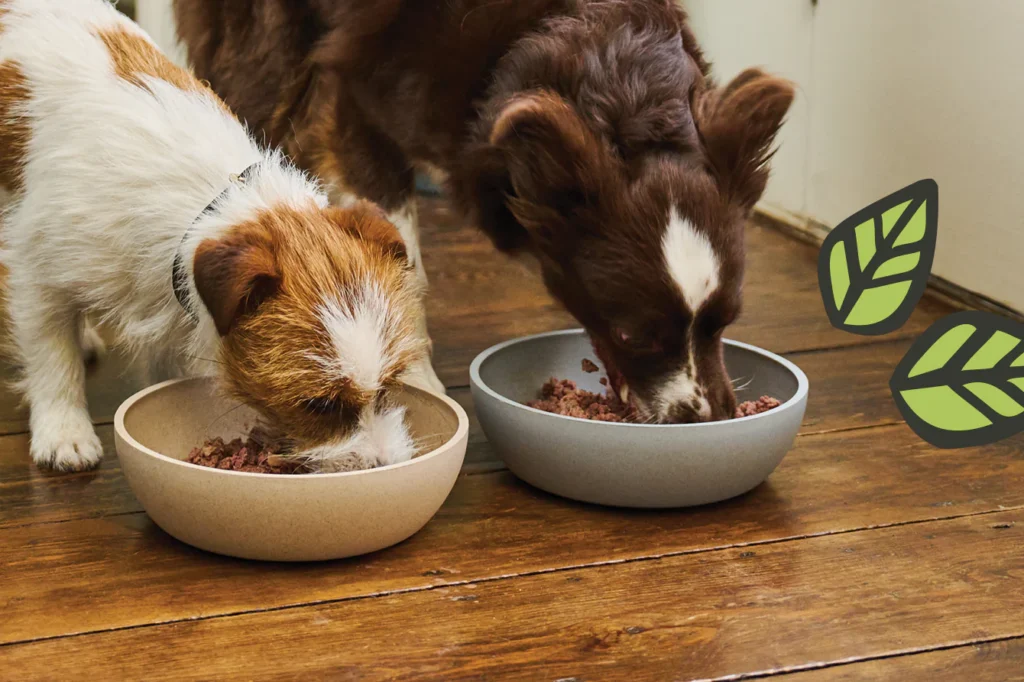
Indoor pets don’t burn as many calories as outdoor animals because they have less space to run and explore. Without the right amount and type of food, they can quickly become overweight, develop digestive problems, or lack energy. On the other hand, feeding too little or the wrong nutrients can cause weakness, dull coat, or even serious health issues. A consistent feeding routine also helps prevent begging, food stealing, and stress around mealtimes. When you feed your pet the right way, you will notice they play more, sleep better, have healthier skin or feathers, and generally seem more content. The key is to feed the right food, in the right amount, at the right times, and in a way that fits your daily life.
Choosing the Right Food for Your Indoor Pet
Start by selecting food made for your pet’s species and life stage. Dogs and cats need complete and balanced commercial food labeled for indoor or adult maintenance. Rabbits and guinea pigs need unlimited hay plus pellets and fresh vegetables. Hamsters and small rodents do well with specially formulated pellets plus small amounts of fresh produce. Birds require a base of seeds or pellets plus fresh fruits and vegetables. Always check the package for the words “complete and balanced” or “nutritionally complete.” For indoor pets, lower-calorie formulas are often better because they move less. You can mix a little wet food with dry food for dogs and cats to increase moisture and make meals more appealing. These choices are easy to find and don’t have to be expensive.
Portion Control and Measuring at Home
One of the most common mistakes is guessing how much to feed. Use a kitchen scale or the exact measuring cup that comes with the food and measure every meal. Most indoor pets need their daily food divided into two or three meals instead of free-feeding. For example:
- Morning meal soon after you wake up.
- Afternoon or early evening meal at the same time every day.
- Optional small third meal or treat puzzle before bed for pets that get hungry at night.
Start with the amount recommended on the package for your pet’s weight, then adjust slightly based on their body condition. You should be able to feel your dog or cat’s ribs easily, see a waist on rabbits and guinea pigs, and notice steady energy levels in hamsters and birds. These small daily measurements prevent overeating and help your pet stay at a healthy weight without constant weighing.
Making Meals More Interesting and Satisfying
Indoor pets can get bored with the same bowl of food every day. Make mealtimes more engaging by:
- Scattering dry food on a plate or in a muffin tin so they have to search and work for it.
- Hiding a few pieces of kibble or treats inside cardboard boxes or toilet paper rolls.
- Warming wet food slightly or adding a little warm water to dry food to release more smell.
- Offering fresh vegetables or fruits appropriate for your pet’s species (carrots and greens for rabbits, small apple pieces for hamsters, chopped veggies for birds).
These simple tricks turn eating into a mini game, slow down fast eaters, and make your pet feel fuller with the same number of calories.
Water and Hydration Habits
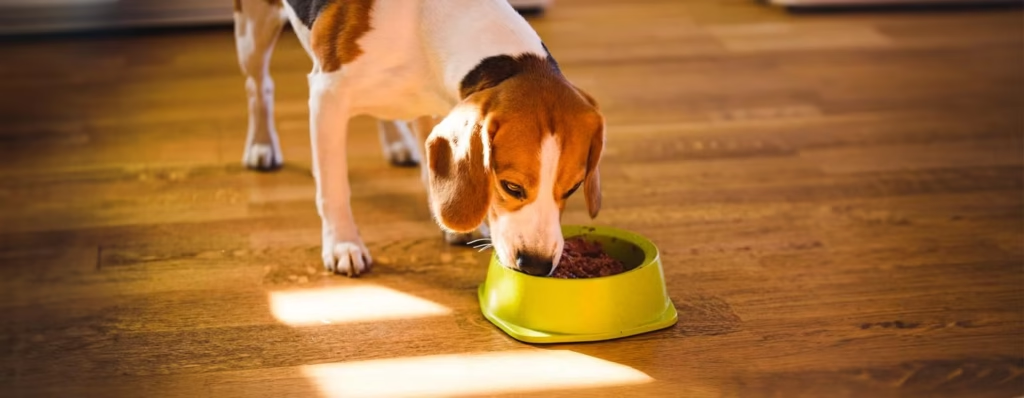
Fresh water is just as important as food. Change the water bowl or bottle at least twice a day and clean it every few days. Place water in two or three different spots so your pet never has to walk far. For cats and some small animals, a cheap pet water fountain with moving water encourages more drinking. In winter, make sure the water is not too cold; in summer, add a couple of ice cubes. Good hydration supports digestion, kidney health, and overall energy.
Creating a Simple Daily Feeding Routine
Here is an easy schedule most indoor pet owners can follow:
- 7:00 am – Fresh water and morning meal.
- 12:00 pm – Small snack or puzzle toy with a few pieces of food.
- 6:00 pm – Main evening meal.
- 9:00 pm – Optional small treat or foraging activity before bed.
Adjust the exact times to fit your life, but try to keep them consistent every day. This routine helps your pet know what to expect and reduces begging or anxiety around food.
Weekly Feeding Checklist You Can Follow
- Monday: Check food portions and adjust if needed.
- Wednesday: Clean all water bowls thoroughly.
- Friday: Introduce one new fresh vegetable or treat.
- Sunday: Full review of the week — note appetite, energy, and weight changes.
This short checklist keeps everything organized without taking much time.
Common Feeding Mistakes and Easy Fixes
- Free-feeding dry food all day — fix: switch to measured meals at set times.
- Giving too many treats or table scraps — fix: count treats as part of the daily calories and use tiny pieces.
- Changing food suddenly — fix: mix old and new food gradually over 7–10 days.
- Forgetting to adjust portions as your pet ages or becomes less active — fix: check body condition every two weeks.
Special Tips for Different Pets
Dogs and cats usually need measured kibble or wet food. Rabbits and guinea pigs need constant hay plus measured pellets. Hamsters and birds do well with a base diet plus small amounts of fresh produce. Adjust the routine slightly for each species, but the idea of consistent times and measured portions works for all indoor pets.
In conclusion, feeding your indoor pet the right way is simple once you turn it into a consistent daily habit. Choosing appropriate food, measuring portions carefully, offering meals at the same times, encouraging hydration, and making mealtimes a little more interesting are all easy things you can do at home. These small actions support healthy weight, good digestion, steady energy, and overall well-being for any indoor pet. Start today by measuring tomorrow’s food and setting two fixed meal times. Within a few weeks you will probably see your pet with better energy, healthier weight, and fewer begging behaviors. Good feeding routines are one of the easiest ways to show your pet how much you care, and they cost very little except a bit of consistency and attention. Your indoor pet depends on you for every meal — when you feed them thoughtfully, you give them the foundation for a long, healthy, and happy life together at home.